
You’ve probably scrolled past a dozen Vietnam reels this week. The floating markets, the lanterns in Hoi An, that perfect bowl of pho. It all looks easy. But here’s what those reels won’t tell you: most first-time travelers to Vietnam make the same three mistakes in planning, and they figure it out only after they’ve landed.
We’ve planned enough Vietnam trips from Bangalore to know where people get stuck. It’s rarely the big stuff. It’s the small assumptions that don’t match reality on the ground. Over the years, working with couples, families, and solo travelers heading to Vietnam, we’ve noticed patterns in what works and what doesn’t. This Vietnam travel guide is built from those real trips, not from guidebook fantasies.
Myth 1: You Need Two Weeks to See Vietnam Properly
Most travelers think Vietnam demands two full weeks or it’s not worth going. That’s not true.
Here’s what actually happens. You land in Hanoi or Ho Chi Minh City, spend a day recovering from the flight, then rush through a checklist of places because you’ve convinced yourself you need to cover the entire country. You end up exhausted, and you miss the best part of Vietnam: slowing down enough to notice the details.
We’ve sent plenty of Bangalore travelers to Vietnam for just 6 or 7 days, and they come back happier than the ones who tried to cram in 10 destinations. The trick is choosing one region and doing it well. North Vietnam with Hanoi, Ha Long Bay, and Sapa works beautifully in a week. So does the central coast: Da Nang, Hoi An, and Hue. Or go south: Ho Chi Minh City and the Mekong Delta. Pick one. Own it.
One couple we worked with last year had exactly 6 nights. They did Hanoi, Ha Long Bay, and Hoi An. No Mekong. No Sapa. No Nha Trang. Just three places, done at a human pace. They came back raving about the trip, not burnt out. That’s the better version of Vietnam for most people.
Best Places to Visit Vietnam: The Ones That Actually Deliver
Let’s get specific. These are the Vietnam tourist destinations that work consistently well for Indian travelers, especially those flying out of Bangalore.
Hanoi
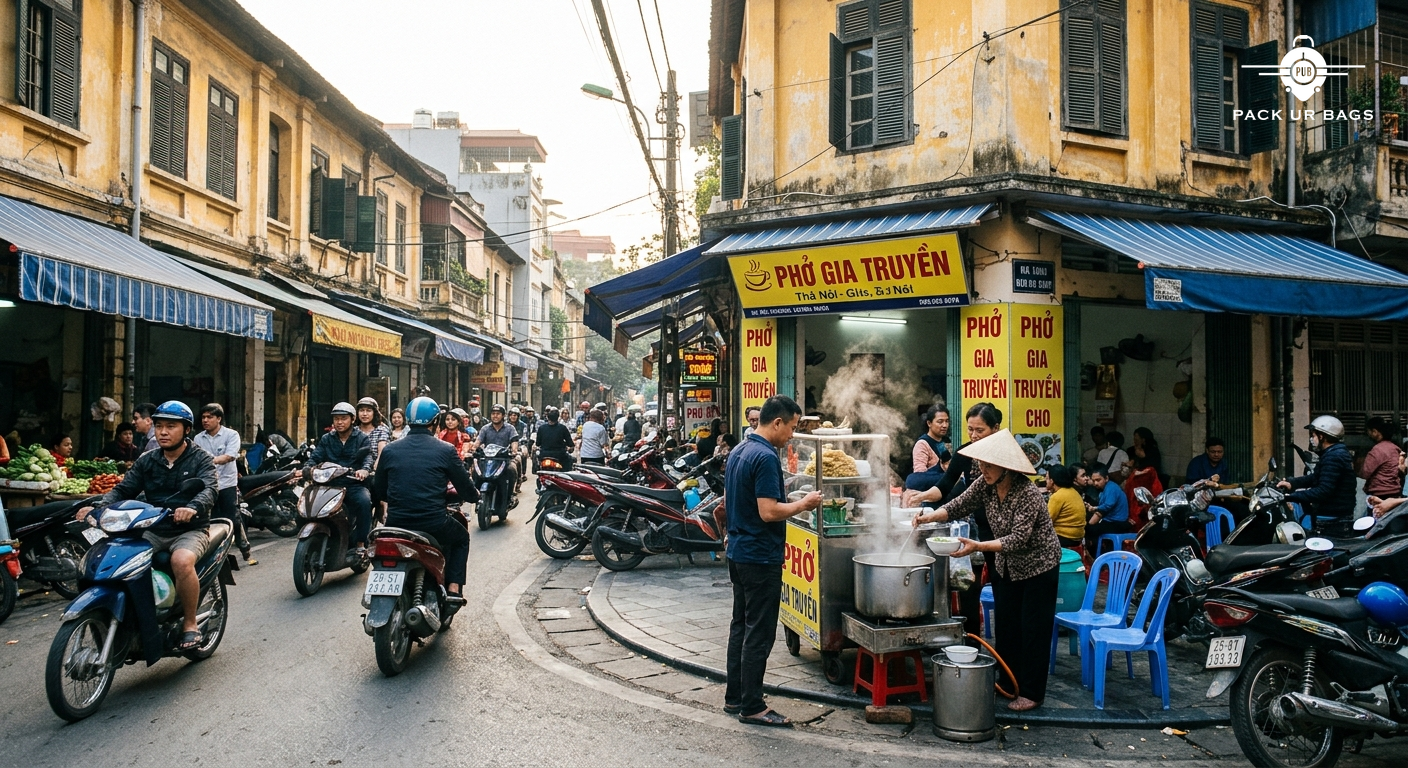
Vietnam’s capital is chaotic, noisy, and absolutely magnetic. The old quarter is a sensory overload in the best way. Motorbikes everywhere, street food vendors at every corner, and a vibe that feels both frenetic and oddly relaxed.
What to do: walk around Hoan Kiem Lake early morning, visit the Temple of Literature, and take a cyclo ride through the old quarter. Don’t skip the water puppet show. It sounds touristy, but it’s genuinely worth an hour of your time.
Food matters here. Try bun cha, pho, and egg coffee. You’ll find the best spots not on Google Maps but by watching where locals queue up. Most Bangalore travelers we work with are pleasantly surprised by how vegetarian-friendly Hanoi can be if you know where to look.
One honest note: Hanoi’s traffic is intense. If you’re traveling with older parents or young kids, plan your walking routes carefully. The sidewalks are often blocked by parked bikes, so you end up walking on the road more than you’d expect.
Ha Long Bay
This is the one everyone puts on their Vietnam 2026 travel list, and for good reason. The limestone karsts rising out of emerald water are just as stunning in person as they look online.
Book an overnight cruise, not a day trip. The day trips rush you through, and you spend half the time on a bus. An overnight cruise lets you wake up surrounded by the karsts, kayak through hidden caves, and actually relax. Expect to pay anywhere from $80 to $250 per person depending on the boat quality.
We learned this the hard way. Early on, we booked a client on a budget day cruise. They were underwhelmed. The boat was packed, the food was average, and they barely got to enjoy the scenery. Since then, we only recommend overnight cruises on mid-range or luxury boats. The difference in experience is massive.
Hoi An
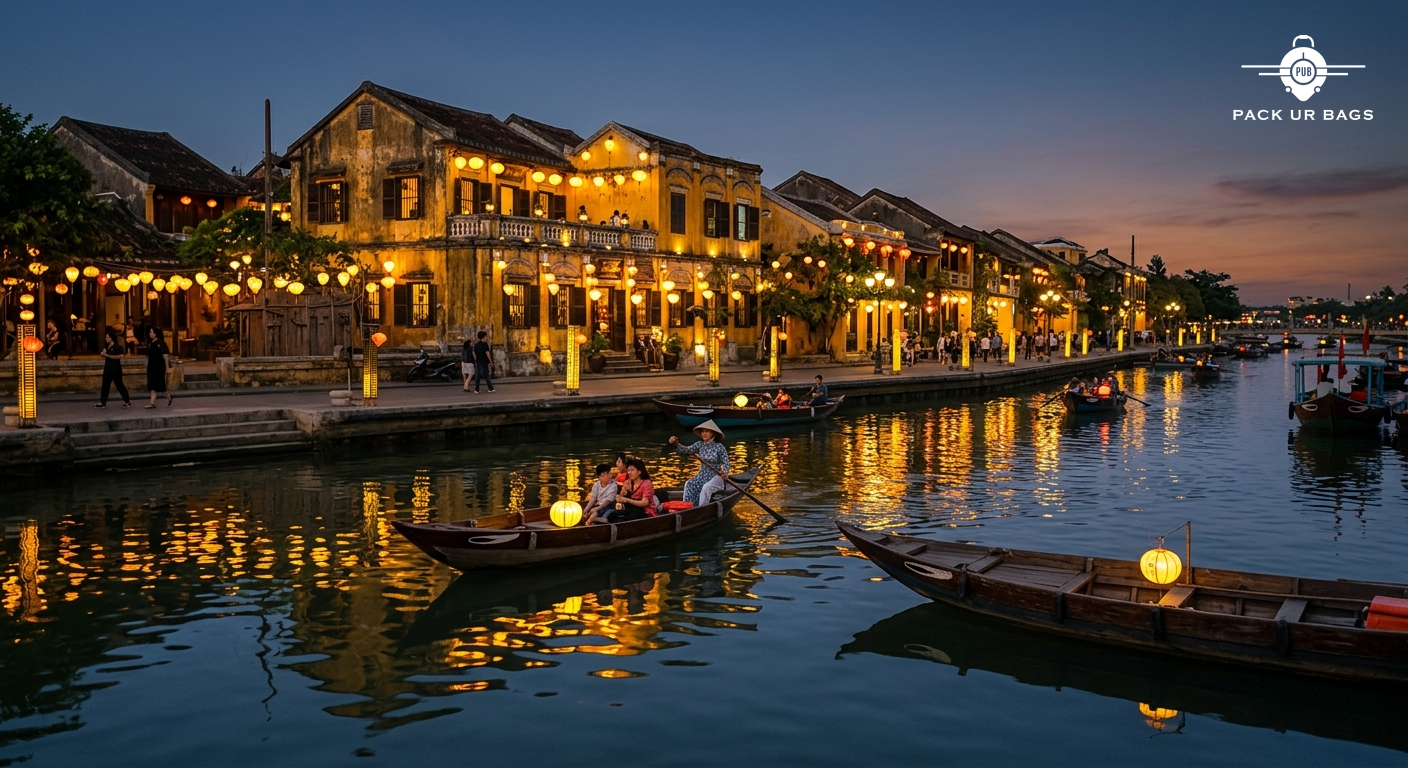
If you’re going to fall in love with one Vietnamese town, it’ll probably be Hoi An. The old town is a UNESCO World Heritage Site, and it feels frozen in time with its yellow buildings, lantern-lit streets, and riverside cafes.
Things to do in Vietnam don’t get much better than cycling through the rice paddies outside Hoi An, getting clothes tailored in 24 hours, and eating cao lau at a family-run spot that’s been there for three generations. The tailoring scene is real. Bring a photo of what you want, and they’ll make it. Quality varies, so ask your hotel for recommendations.
One thing that surprised our travelers: Hoi An is tiny. You can cover the main old town in half a day. That’s fine. The magic of Hoi An isn’t ticking off sights; it’s sitting by the river with a Vietnamese iced coffee and watching the town move around you.
Da Nang
Da Nang is where you go to decompress. It’s a modern beach city with great seafood, clean streets, and less tourist hustle than Hoi An next door. My Khe Beach is gorgeous, and the drive up to the Marble Mountains is worth the half-day trip.
If you’re doing the central Vietnam route, Da Nang works as your base. Stay here, take a day trip to Hoi An, another to the Golden Bridge in Ba Na Hills, and spend the rest of your time eating and lounging. It’s especially good for families who want a mix of sightseeing and downtime.
Ho Chi Minh City
Saigon, as locals still call it, is Vietnam’s economic engine. It’s bigger, faster, and more westernized than Hanoi. The War Remnants Museum is heavy but important. The Cu Chi Tunnels make for a fascinating half-day trip. And the food scene is outstanding.
What we tell Bangalore travelers: if you want a taste of modern Vietnam with good nightlife, rooftop bars, and international food options, base yourself in Ho Chi Minh City. If you want old-world charm and history, go to Hanoi. Both are great. They’re just different.
Mekong Delta
Take a day trip or overnight tour from Ho Chi Minh City to the Mekong Delta. You’ll visit floating markets, ride through narrow canals, and see how rural Vietnam actually lives. It’s hot, humid, and completely different from the cities.
The best time to visit is early morning when the floating markets are active. By midday, the heat becomes uncomfortable. Most tours include lunch at a local home, fresh fruit tastings, and a chance to see rice paper and coconut candy being made by hand. It’s touristy, yes, but it’s also genuinely interesting.
Sapa
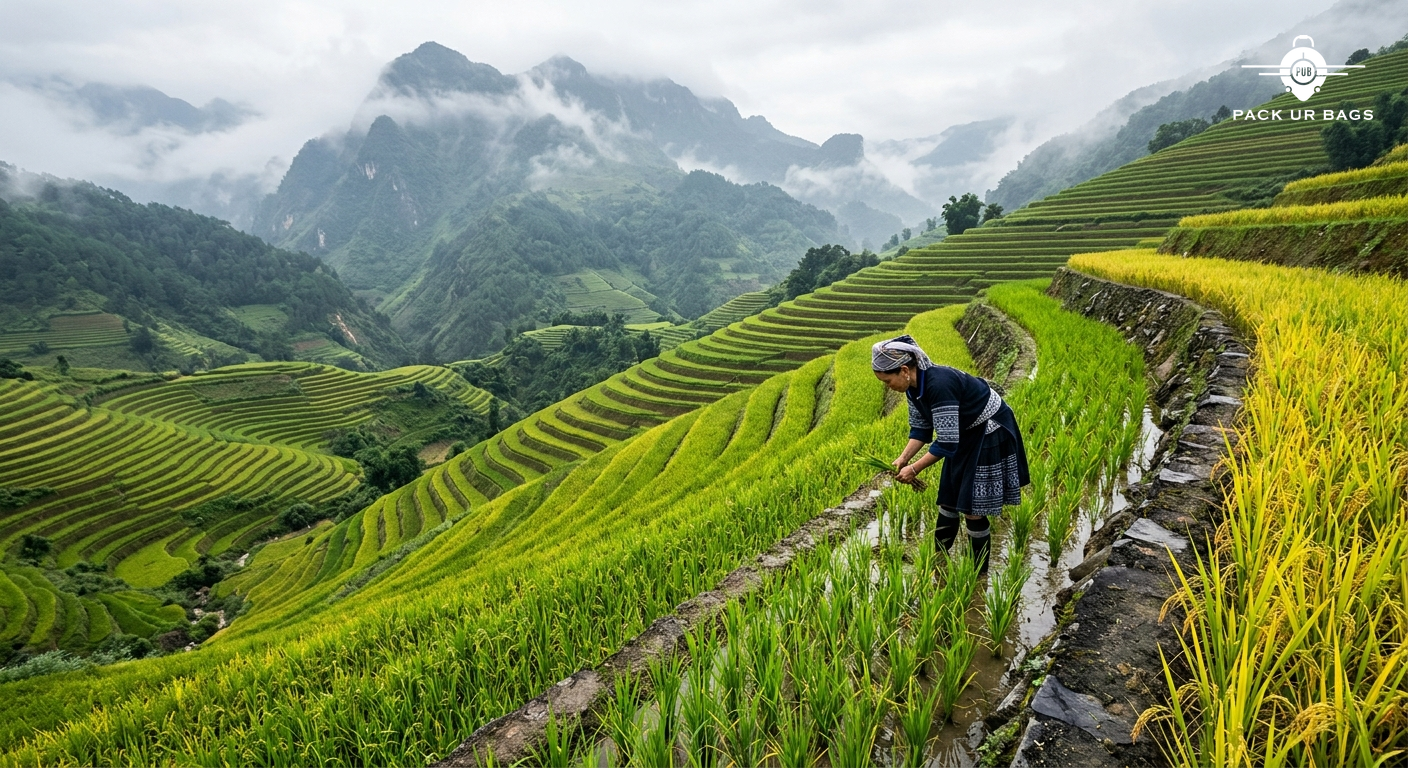
If you’ve got time and you love mountains, Sapa is stunning. Terraced rice fields, hill tribe villages, and cool weather that feels like a relief after the heat of the lowlands. It’s a long journey from Hanoi, usually an overnight train or a six-hour drive, but it pays off if trekking and rural landscapes are your thing.
Fair warning: Sapa has become heavily touristed. You’ll be approached by local guides and vendors constantly. Some travelers love the energy; others find it exhausting. Go with realistic expectations, and book a reputable trekking guide in advance through your hotel or a trusted operator like Pack Ur Bags.
Myth 2: Vietnam Visa Is Complicated for Indians
It’s not. Not anymore.
As of 2026, Indian passport holders can apply for a Vietnam e-visa online. It’s valid for up to 90 days, costs around $25, and takes about three business days to process. You upload your passport, your photo, fill in your travel dates, pay online, and wait for the approval email. Print it out and carry it with you. That’s it.
We used to deal with visa on arrival letters and the old paper process. It was messier. The e-visa system is cleaner, faster, and way less stressful. Just make sure your passport is valid for at least six months from your entry date, and apply at least a week before your flight to avoid last-minute stress.
One thing that still trips people up: some travelers confuse the e-visa with visa on arrival. They’re different. Visa on arrival requires a pre-approval letter and only works if you fly into certain airports. The e-visa works at all entry points, including land borders. Stick with the e-visa unless you have a specific reason not to.
Myth 3: Vietnam Is Dirt Cheap, So You Don’t Need a Budget
Vietnam is affordable compared to Europe or Singapore, but it’s not free. And if you’re not careful, costs creep up fast.
Here’s a realistic breakdown for a couple traveling from Bangalore for 7 nights:
Flights: Bangalore to Hanoi or Ho Chi Minh City usually costs between ₹25,000 and ₹40,000 per person return, depending on season and how early you book. Book at least two months ahead for better rates.
Accommodation: budget hotels or hostels run ₹1,500 to ₹3,000 per night. Mid-range hotels with good reviews sit around ₹4,000 to ₹7,000. Luxury properties can go ₹10,000 and above.
Food: street food meals cost ₹150 to ₹300. A sit-down restaurant meal for two runs ₹800 to ₹1,500. If you mix street food and mid-range dining, budget around ₹1,200 per person per day.
Transport: domestic flights between Hanoi and Ho Chi Minh City cost ₹3,000 to ₹6,000. Sleeper buses are cheaper but less comfortable. Grab (like Uber) is widely available in cities and very affordable. A 15-minute ride costs around ₹100 to ₹200.
Activities: most temple entries are free or cost less than ₹100. Ha Long Bay overnight cruise costs ₹6,000 to ₹20,000 per person. Cooking classes, bike tours, and day trips average ₹2,000 to ₹4,000 per person.
Total for 7 nights (couple, mid-range): expect ₹1,80,000 to ₹2,50,000 all-in, including flights. That’s comfortable travel, not backpacker mode, but also not luxury.
One cost people underestimate: transport between cities. Vietnam is longer than it looks on a map. If you’re hopping from Hanoi to Hoi An to Ho Chi Minh City, you’ll spend a chunk of time and money getting around. Domestic flights save time but add cost. Sleeper trains and buses save money but eat into your days. Factor this in early.
What to Pack for Vietnam in 2026
Light, breathable clothes. Vietnam is hot and humid most of the year, except in the northern mountains during winter.
Bring comfortable walking shoes, a hat, sunscreen, and a reusable water bottle. If you’re visiting temples, carry a scarf or shawl to cover your shoulders and knees. Modest dress is expected at religious sites, and some won’t let you in otherwise.
One thing that helped our travelers: a small crossbody bag or money belt for your phone, passport, and cash. Petty theft isn’t rampant, but it happens in crowded tourist areas. Don’t make yourself an easy target.
Also pack a power adapter. Vietnam uses Type A, C, and G plugs. Most modern hotels have multi-plug sockets, but bring a universal adapter just in case.
Best Time to Visit Vietnam
Vietnam stretches over 1,600 kilometers, so the weather varies dramatically by region and season.
North Vietnam (Hanoi, Ha Long Bay, Sapa): best from October to April. Cooler and drier. December and January can get quite cold in Sapa.
Central Vietnam (Hoi An, Da Nang, Hue): best from February to May. Avoid September to December when heavy rains and typhoons are common.
South Vietnam (Ho Chi Minh City, Mekong Delta): best from December to April. It’s the dry season, and the heat is slightly more bearable.
Here’s the honest take: there’s no perfect month to visit all of Vietnam. Every season has trade-offs. Most Bangalore travelers we work with go between November and March because that window covers the north and south fairly well, and it aligns with Indian holiday calendars around Diwali, Christmas, and New Year.
Getting Around Vietnam
Domestic flights are the fastest way to cover long distances. VietJet and Vietnam Airlines operate frequent routes between major cities. Book directly on their websites or through aggregators like Skyscanner.
Trains are scenic but slow. The Hanoi to Ho Chi Minh City route takes over 30 hours. If you’ve got the time, the sleeper train from Hanoi to Sapa or Da Nang to Hue is an experience. Just book a soft sleeper cabin, not the hard seats.
Buses are cheap and everywhere. Sleeper buses between cities are popular with backpackers. They’re not luxurious, but they work. Companies like The Sinh Tourist and Phuong Trang run reliable routes.
In cities, use Grab. It’s safer and more transparent than haggling with taxi drivers. Most drivers don’t speak English, so have your destination written down in Vietnamese or pinned on the app.
Motorbike rentals are an option if you’re confident riding in chaotic traffic. Hoi An and Da Nang are manageable. Hanoi and Ho Chi Minh City are not, unless you’ve got serious experience.
Food You Can’t Miss
Vietnamese food is fresh, light, and flavor-packed. Even if you’re vegetarian, you’ll eat well.
Pho: rice noodle soup, usually with beef or chicken. Order it for breakfast like the locals do.
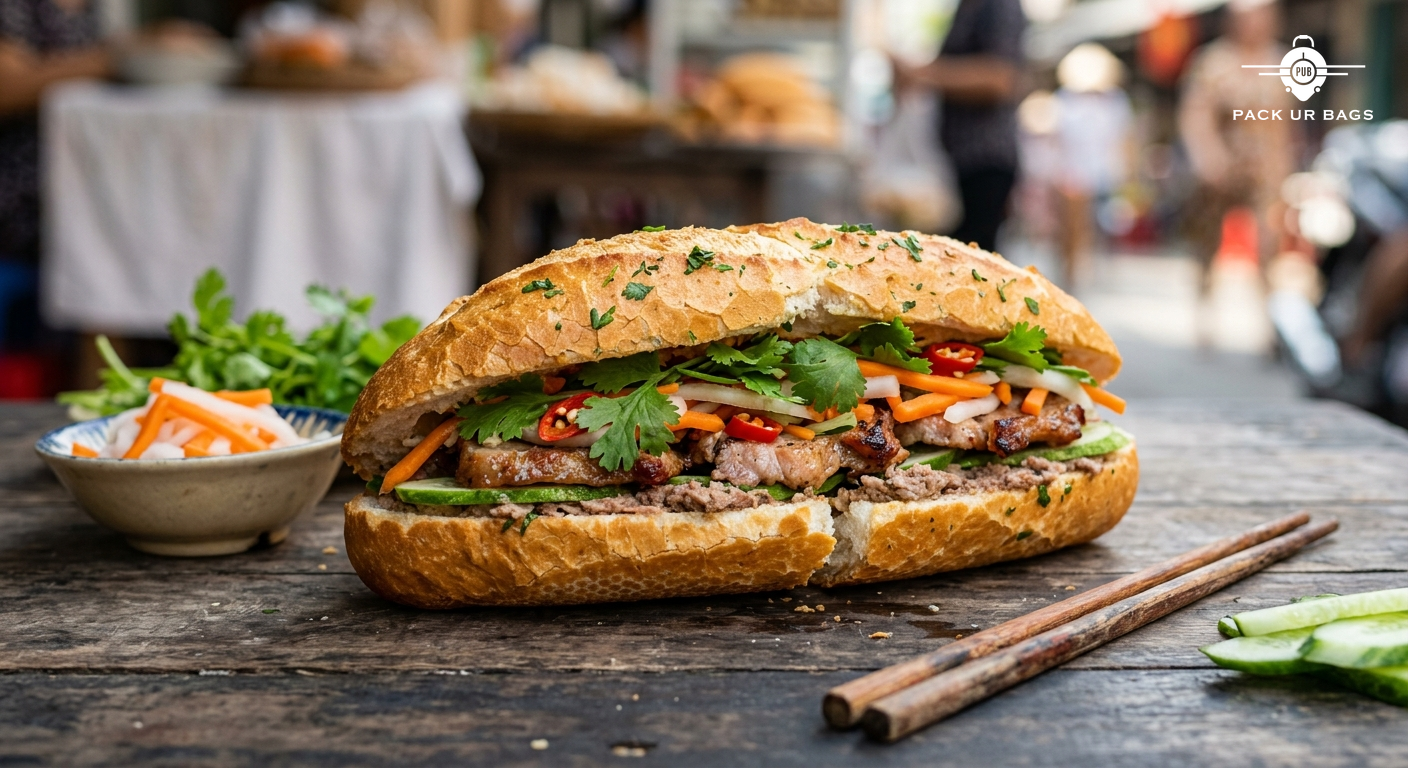
Banh mi: Vietnamese baguette sandwich with pate, pork, pickled vegetables, and herbs. Cheap, filling, delicious.
Bun cha: grilled pork with noodles and herbs. A Hanoi specialty.
Cao lau: thick noodles with pork and greens, found almost exclusively in Hoi An.
Fresh spring rolls: rice paper rolls with shrimp, pork, herbs, and vermicelli. Dipped in peanut sauce.
Vietnamese iced coffee: strong coffee with sweetened condensed milk, served over ice. Addictive.
One pleasant surprise: most restaurants can make vegetarian or vegan versions of popular dishes if you ask. Tofu and mushroom substitutes are common. Just be clear about no fish sauce if you’re strictly vegetarian, because it’s a base ingredient in a lot of Vietnamese cooking.
Why Book with a Travel Partner Like Pack Ur Bags
You can absolutely plan Vietnam on your own. The internet has enough blogs, forums, and YouTube videos to guide you. But here’s what we’ve noticed: travelers who try to DIY their first Vietnam trip often spend more time planning than enjoying.
Booking flights, comparing hotels, figuring out visa steps, choosing between Ha Long Bay operators, arranging airport transfers, researching restaurants that suit your diet, and building a realistic day-by-day itinerary that doesn’t leave you exhausted—it adds up fast. And if something goes wrong mid-trip, you’re on your own.
At Pack Ur Bags, we handle the entire flow. You tell us your budget, your travel dates, what kind of experience you want, and we build a customized Vietnam itinerary that actually makes sense. We book everything, coordinate the timing, arrange airport pickups, and give you a contact number for 24/7 support while you’re there. If your flight gets delayed or your hotel messes up a booking, we sort it out. You just travel.
We’ve built strong relationships with reliable local operators in Hanoi, Hoi An, and Ho Chi Minh City over the years. That means better rates, vetted guides, and honest recommendations. We don’t push generic packages. Every Vietnam trip we plan is customized to the traveler.
And because we’re based in Sarjapur, Bangalore, we understand what Indian travelers need: vegetarian meal options, comfortable pacing, transparent pricing, and someone who picks up the phone when you call. That’s the difference between planning it yourself and having a travel partner who’s done this hundreds of times.
Frequently Asked Questions
Is Vietnam safe for Indian tourists in 2026?
Yes, Vietnam is generally safe for tourists. Petty theft like pickpocketing happens in crowded areas, so keep your valuables secure. Avoid walking alone in poorly lit areas late at night. Traffic is chaotic, so be extra careful crossing streets. Overall, it’s one of the safer destinations in Southeast Asia for Indian travelers.
Do I need travel insurance for Vietnam?
Strongly recommended. Travel insurance covers medical emergencies, trip cancellations, lost baggage, and flight delays. Vietnam’s healthcare system is good in major cities, but private hospitals are expensive. A basic travel insurance policy costs around ₹500 to ₹1,000 per person for a week and can save you lakhs in case of a medical emergency.
Can I use Indian rupees or credit cards in Vietnam?
No, Indian rupees are not accepted. The local currency is the Vietnamese Dong (VND). ATMs are widely available, and you can withdraw VND using your Indian debit or credit card. Inform your bank before traveling to avoid your card getting blocked. Credit cards are accepted at hotels and larger restaurants, but carry cash for street food, local transport, and small shops.
What language is spoken in Vietnam?
Vietnamese is the official language. English is spoken in tourist areas, hotels, and by younger people, but not widely outside major cities. Download Google Translate with offline Vietnamese language pack. It helps, especially when ordering food or asking for directions.
Ready to Explore Vietnam in 2026?
Vietnam is one of those places that gets under your skin. It’s not always polished. The traffic is wild, the streets are loud, and the humidity can be brutal. But it’s also beautiful, welcoming, and endlessly interesting. The food alone is worth the flight.
If you’re sitting in Bangalore wondering whether Vietnam is the right choice for your next trip, the answer is probably yes. Whether you’ve got 6 days or 2 weeks, whether you’re traveling as a couple, with family, or solo, there’s a version of Vietnam that works for you.
At Pack Ur Bags, we’ve been planning personalized Vietnam trips for Bangalore travelers since long before it became an Instagram trend. We know which Ha Long Bay cruises are worth the money, which Hoi An tailors won’t rip you off, and how to pace an itinerary so you come back energized, not exhausted.
Call us at +91-9150017657 or visit our office at J S Complex, Sarjapur, Bangalore. Let’s build your Vietnam travel guide together, customized to your budget, your pace, and your version of a great holiday.