
Lakshadweep Tour Package from Bangalore: Island Escape Guide
You’re scrolling through holiday photos—turquoise water, empty beaches, no crowds—and you think: “That’s either fake or it’s Maldives-level expensive.”
Wrong on both counts. Lakshadweep exists, it’s stunning, and it’s accessible from Bangalore with the right planning. But here’s where most travelers trip up: they assume booking a Lakshadweep tour package from Bangalore works like planning any other beach holiday. It doesn’t. The rules are different, the logistics are trickier, and if you show up expecting Goa with clearer water, you’ll be confused before you even board the ship.
We’ve planned dozens of Lakshadweep trips for Bangalore families, honeymooners, and first-timers over the past few years. And almost every conversation starts with the same myths—ideas people picked up from travel forums or Instagram captions that don’t match reality. So let’s fix that. Here’s what you actually need to know before you book.
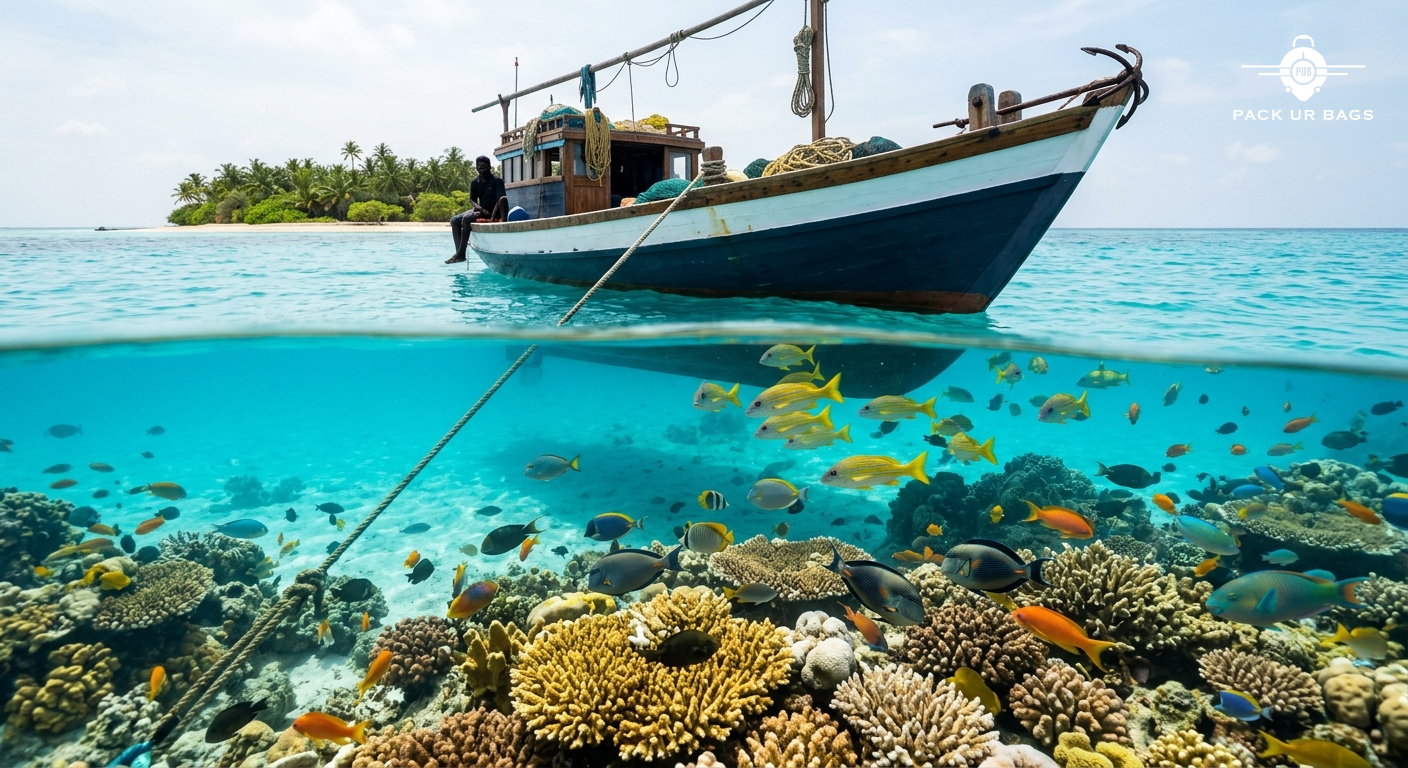
Myth 1: You Can Just Book Flights and Hotels Like Any Island Holiday
This is the first place people get stuck.
Lakshadweep isn’t open-access tourism. You can’t land, grab a cab, and check into a resort you found on Booking.com. Entry is permit-controlled, and only a handful of islands allow tourists at all. Most people don’t realize this until they start researching flights and discover there aren’t any direct commercial options from Bangalore to the main tourist islands.
Here’s what actually works. You’ve got two main routes: fly to Agatti via Kochi, or take a passenger ship from Kochi. Flights to Agatti operate a few days a week, and seats fill up fast during peak season—November through March. If you’re traveling during that window and you’re not booking at least two months ahead, you’re likely looking at a ship journey instead.
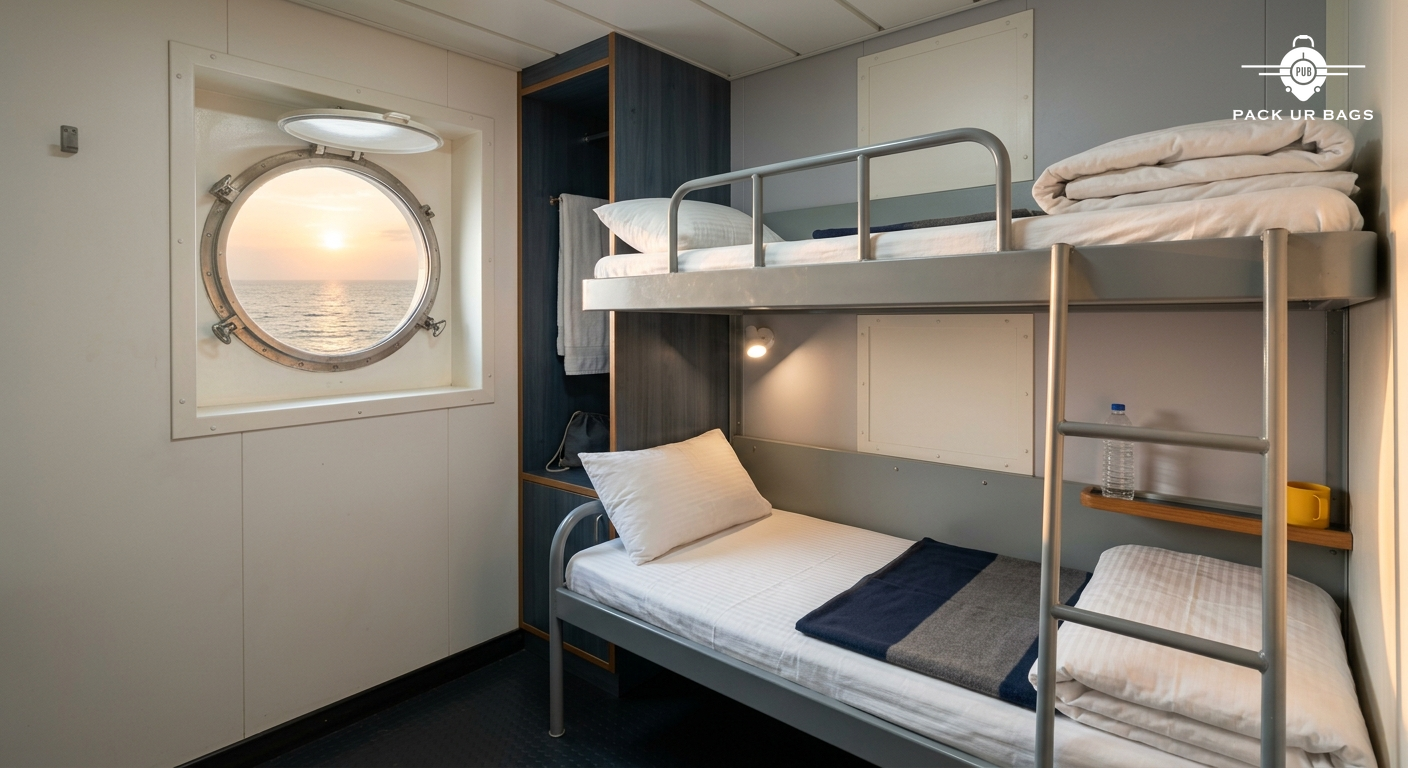
The ship isn’t a bad option, but it’s a 14 to 18-hour overnight ride. Comfortable enough if you book a cabin, rough if you don’t handle motion well. We’ve had clients who loved the experience—kids especially—but we’ve also had honeymooners who regretted not flying. Know your tolerance before you commit.
Permits are handled through tour operators or SPORTS (Society for Promotion of Nature Tourism and Sports), the government body that manages Lakshadweep tourism. You can’t visit without one. This is why most Bangalore travelers book a package—it’s not about convenience, it’s a requirement. Independent travel sounds appealing until you realize you’re still going through the same bottleneck, just with more paperwork on your end.
At Pack Ur Bags, we handle permits, transport, and inter-island transfers as part of every Lakshadweep itinerary. That’s not a sales pitch—it’s just how the system works. You’re not avoiding bureaucracy by going solo; you’re just taking it on yourself.
Myth 2: All the Islands Are the Same—Just Pick One
Not even close.
Lakshadweep has 36 islands. Ten are inhabited. Tourists are allowed on five, maybe six depending on the season and government permissions. And those five offer completely different experiences.
Agatti is where most people land. It’s got the airport, a few resorts, and decent snorkeling right off the beach. It’s also the jumping-off point for Bangaram, which is more isolated, more expensive, and more “honeymoon postcard” than family-friendly. Bangaram has one resort, limited electricity hours, and zero phone signal for most of the day. If that sounds like a dream, book it. If that sounds stressful, don’t.
Kavaratti is the administrative capital—more developed, better infrastructure, a marine aquarium that kids enjoy, and safer swimming zones for families. It’s less “deserted island” and more “well-maintained government tourism hub,” which is exactly what some travelers need.
Then there’s Kadmat—long, narrow, brilliant for water sports. Diving and kayaking operations are better here than on Agatti. The beach is phenomenal, but the accommodation is more basic. You’re trading luxury for access to better coral reefs.
Minicoy is the southernmost island, culturally distinct—closer to Maldivian traditions than mainland India. Tuna fishing, traditional dance, and a lighthouse you can climb for views that justify the effort. It’s harder to reach and gets fewer visitors, which is either a selling point or a logistical headache depending on what you’re after.
We’ve seen couples book Bangaram expecting nightlife and water sports, only to find it’s one resort, candlelit dinners, and silence. Beautiful silence, but silence. Families sometimes assume Agatti is “just the airport island” and skip it entirely, missing out on some of the easiest snorkeling access in the region. Matching the island to your expectations matters more here than almost any other destination.
A good Lakshadweep island escape isn’t about seeing all the islands. It’s about picking the right one or two and spending enough time to actually relax. Most packages combine Agatti or Kavaratti with one additional island. That’s usually enough.
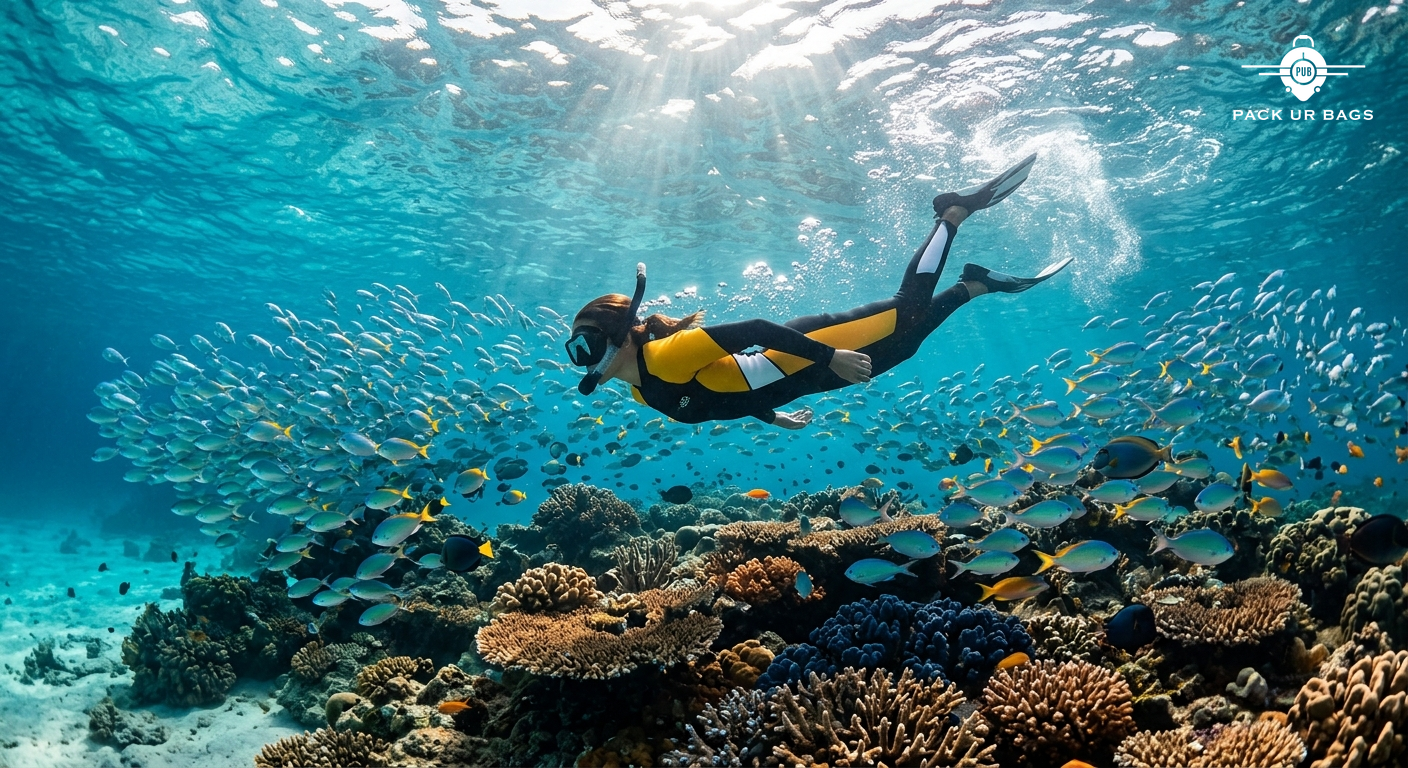
Myth 3: It’s Going to Be Cheaper Than the Maldives
It is. But “cheaper” doesn’t mean cheap.
A Lakshadweep tour package from Bangalore typically starts around ₹25,000 per person for a basic 4-night, 5-day itinerary. That usually includes permits, transport from Kochi, basic accommodation, and meals. Flights to Kochi aren’t included, and neither are any water sports or diving activities—those are add-ons.
Step up to a package with better resorts, inter-island transfers, and a few activities included, and you’re looking at ₹40,000 to ₹60,000 per person. Honeymoon packages with premium stays on Bangaram or private beach dinners? Closer to ₹80,000 and up.
That’s still a fraction of a Maldives trip, but it’s not a budget beach holiday either. Lakshadweep’s cost comes from logistics—restricted access, limited accommodation, and the fact that everything except coconuts and fish is shipped in. Food is simple. Don’t expect five-star resort dining unless you’re paying five-star resort prices.
We had a Bangalore family last year who budgeted ₹30,000 total for two adults and a kid, thinking it’d be like a Goa trip with better water. They were shocked when the package alone came in higher. The issue wasn’t the destination—it was the assumption. Goa has competition. Lakshadweep has a monopoly.
Budget for the right tier. If you want the postcard version—clear water, good food, decent comfort—plan for ₹50,000+ per person. If you’re okay with simpler stays and self-funded activities, ₹30,000 to ₹40,000 works, but you’ll feel the trade-offs.
One thing worth spending on: water sports and diving packages. The coral reefs here are some of the best-preserved in India, and if you skip the snorkeling or glass-bottom boat rides, you’re missing the main reason people visit. Budget an extra ₹5,000 to ₹10,000 per person for activities. It’s worth it.
Myth 4: You Can Visit Anytime—It’s Just a Beach
Lakshadweep has a hard season. Miss it, and you either can’t go or you shouldn’t.
The official tourist season runs from October to mid-May. Peak months are November through February—calm seas, clear skies, and the best visibility for diving. March and April are hot but still good. May gets humid and is the tail end before monsoon closures.
June through September? Tourism shuts down almost entirely. The southwest monsoon makes boat travel risky and flights irregular. Most resorts and water sports operators close. Even if you could go, you wouldn’t want to—rough seas, limited visibility underwater, and unpredictable weather.
We’ve had clients ask about July trips because flights were cheaper. The flights are cheaper because the islands are mostly closed. Don’t fall for that one.
December and January are the busiest months. If you’re planning a winter escape from Bangalore and you want Lakshadweep, book by August or September. Permits, flights, and decent accommodation fill up by October. We’ve turned away last-minute requests in November more times than I can count—not because we didn’t want the booking, but because there was literally no availability left.
Shoulder months—October and April—are underrated. Slightly fewer crowds, still great weather, and marginally better pricing. If you’ve got flexible dates, aim for those windows.
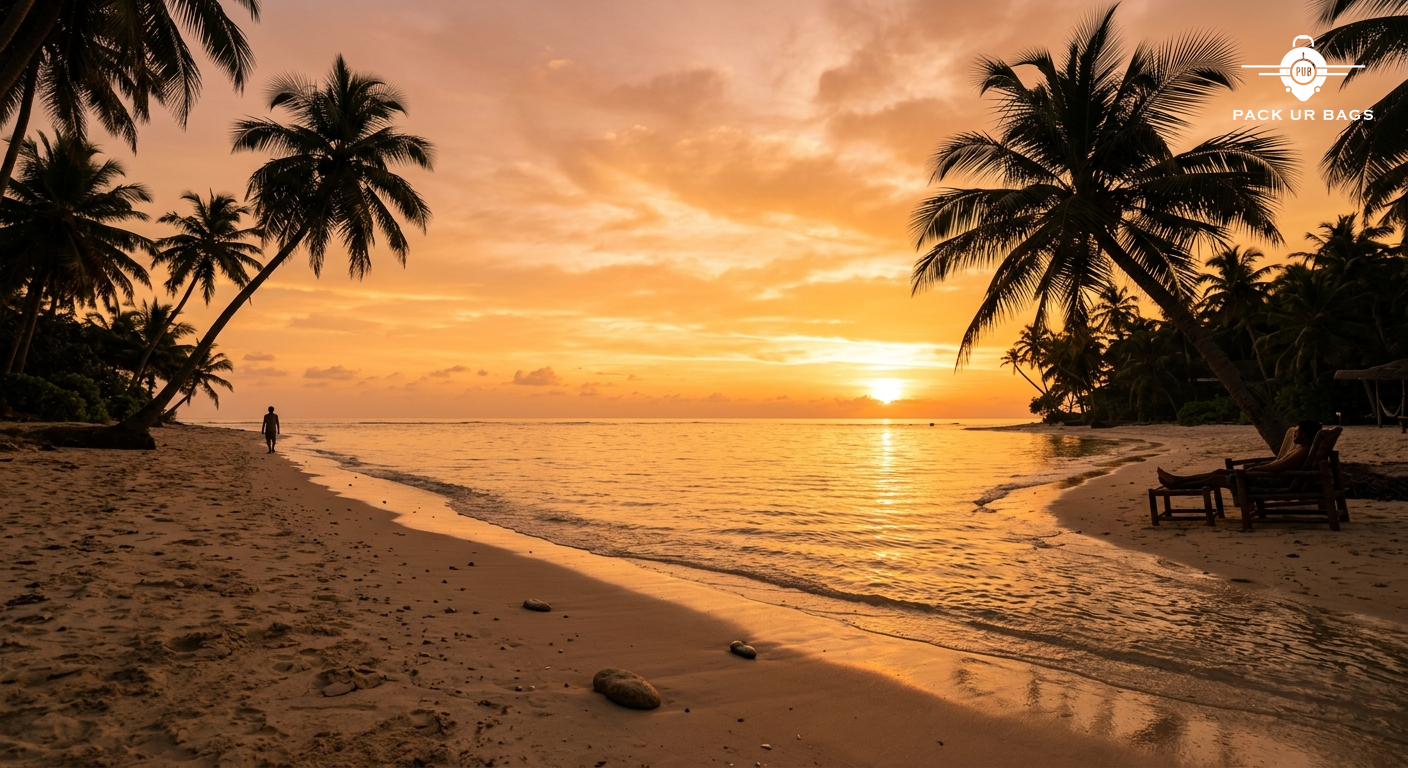
What a Well-Planned Lakshadweep Travel Guide Actually Includes
A good package isn’t just a list of islands and a boat ticket. It’s a logistics plan.
You need transport sorted from Bangalore to Kochi—most people fly, and that’s a separate booking. Then Kochi to Agatti, either by flight or overnight ship, with permits processed in advance. Inter-island transfers if you’re visiting more than one spot. Accommodation that matches your expectations, not just what’s available. Meals, because dining options are extremely limited outside resort kitchens. And a realistic activity plan that doesn’t assume you can dive, snorkel, kayak, and sightsee all in one afternoon.
Most first-time visitors underestimate transit time. A 5-day package sounds generous until you realize a full day is travel to Agatti, another day is travel back, and if you’re doing two islands, another half-day is inter-island transfers. You’ve really got two to three days on the ground. That’s enough if the itinerary is tight, but it doesn’t leave room for spontaneity.
At Pack Ur Bags, we build Lakshadweep itineraries around realistic pacing. Day one is arrival and settling in. Day two is water activities—snorkeling, glass-bottom boats, maybe a diving intro if you’re certified. Day three is either a second island or beach time and cultural experiences. Day four is buffer and departure prep. Day five is travel back to Kochi and onward to Bangalore.
We also frontload the boring stuff—permit paperwork, health declarations, and transport confirmations—so clients don’t spend vacation time in government offices or on hold with ferry operators. That’s the difference between a DIY booking and a managed package: not the destinations, but the invisible work that keeps the trip moving.
Bangalore to Lakshadweep: What the Actual Journey Looks Like
Let’s walk through the real timeline.
You fly Bangalore to Kochi—about an hour, frequent flights, easy. You’ll overnight in Kochi because most Agatti flights leave early morning, and ships depart evening. If you’re flying to Agatti the next day, it’s a short 90-minute hop on a small aircraft. Limited baggage allowance—15 kg checked, 7 kg cabin—so pack light.
If you’re taking the ship, you board around 4 PM in Kochi and reach Kavaratti or Agatti the next morning. Cabins are basic but clean. Bring seasickness meds if you’re prone to motion sickness, even if you think you’ll be fine. The Arabian Sea is calmer than the Bay of Bengal, but it’s still open ocean overnight.
Once you’re on the islands, transport is either walking, bicycles, or small boats for inter-island hops. There are no cars, no taxis, no Uber. That’s part of the charm, but it also means your resort or tour operator needs to coordinate every move.
Coming back, reverse the process. Island to Kochi by flight or ship, overnight in Kochi if needed, then Kochi to Bangalore the next day. Budget at least 6 days total if you want a meaningful 3 to 4 days on the islands. Trying to squeeze it into a long weekend doesn’t work unless you’re okay with more transit than vacation.
Who Should Actually Go—and Who Should Think Twice
Lakshadweep is incredible if you want quiet, natural beauty, and exceptional marine life. It’s not incredible if you want nightlife, shopping, or constant stimulation.
Honeymooners love it—privacy, stunning backdrops, and not much else to do except be together. Families with older kids enjoy it if the kids are into snorkeling and water activities. Younger kids can get bored; there aren’t resorts with kids’ clubs or entertainment teams.
Divers and snorkelers get more out of Lakshadweep than almost anyone else. If you’ve never snorkeled and you’re not planning to try, you’re choosing this destination for the wrong reason. The islands are beautiful, but the real magic is underwater.
It’s not ideal for large groups unless everyone’s on the same page about the pace. We planned a corporate retreat here once—it worked because the group specifically wanted a digital detox and team-building around water sports. A different group expecting a party vibe would’ve been miserable.
If you need constant WiFi, charging points, and food variety, this isn’t your spot. If you can handle simple meals, intermittent connectivity, and limited nightlife, you’ll have one of the most peaceful holidays you’ve planned in years.
Frequently Asked Questions
Do I need a special permit to visit Lakshadweep from Bangalore?
Yes. All tourists need an entry permit issued by the Lakshadweep administration. You can’t visit without one. Most travelers book through a registered tour operator who processes the permit as part of the package. Independent permits are available through SPORTS, but the process is slower and you’ll still need confirmed accommodation and transport before approval.
What is the best time to book a Lakshadweep tour package from Bangalore?
Book between August and October for travel during the peak season from November to February. Permits, flights, and quality accommodation fill up fast, especially for December and January departures. If you’re flexible, consider visiting in October or March—the weather’s still excellent and availability is better.
Can I visit Lakshadweep without booking a package?
Technically yes, but it’s not practical. You’ll still need permits, and those require proof of accommodation and inter-island transport. Since options are limited and controlled, booking independently doesn’t save money or add flexibility—it just shifts the logistics work to you. A package simplifies the bureaucracy.
How much does a Lakshadweep island escape from Bangalore usually cost?
Basic packages start around ₹25,000 per person for 4 nights and 5 days, covering permits, transport from Kochi, simple accommodation, and meals. Mid-range packages with better stays and activities run ₹40,000 to ₹60,000. Premium honeymoon or luxury packages can go beyond ₹80,000 per person. Add flight costs from Bangalore to Kochi separately.
Ready to Plan Your Lakshadweep Escape the Right Way?
Lakshadweep isn’t complicated, but it’s specific. The permits, the transport, the timing—it all has to line up, or you’re stuck replanning at the last minute.
At Pack Ur Bags, we’ve built enough Bangalore to Lakshadweep itineraries to know where the trip works and where it breaks. We handle permits, coordinate flights or ship bookings, match you to the right islands based on what you actually want, and manage the inter-island logistics so you’re not troubleshooting ferries on your honeymoon.
If you’re serious about going, let’s plan it properly. Call us at +91-9150017657 or stop by our office on Sarjapur-Attibele Road in Bangalore. We’ll walk through dates, budget, and island options—and give you a realistic picture of what the trip looks like before you commit.
You don’t need another beach holiday. You need the one where the water’s that clear, the crowd’s that small, and everything actually works. That’s Lakshadweep done right.