
Darjeeling Tour Package from Bangalore: Tea Gardens That Matter
You’ll book a Darjeeling trip for the hills. You’ll stay for the tea gardens.
Most people miss this. They plan a Darjeeling tour package from Bangalore focused on Tiger Hill sunrises and toy train rides — which are fine — but completely overlook the one thing Darjeeling does better than anywhere else in India: walking through working tea estates where the leaves you’ll drink tomorrow are being plucked today.
We’ve planned dozens of Darjeeling trips from Bangalore over the past few years, and here’s what we’ve learned: the travellers who come back most satisfied aren’t the ones who ticked off every viewpoint. They’re the ones who spent half a day walking through Glenburn or Happy Valley, watching tea being processed, tasting fresh brews at the source, and understanding why Darjeeling tea costs what it does.
This isn’t a generic Darjeeling guide. This is specifically about building a trip from Bangalore that puts tea gardens front and centre — which estates actually let you in, what you’ll see, how to time it right, and how to structure the rest of your itinerary around them without turning the whole thing into a rushed checklist.
Why Darjeeling Tea Gardens Deserve More Than a Quick Photo Stop
Here’s the thing: most tour packages treat tea gardens like Instagram stops. You get 20 minutes at a viewpoint overlooking the slopes, snap a few photos of women in colourful saris plucking leaves, and you’re back on the bus.
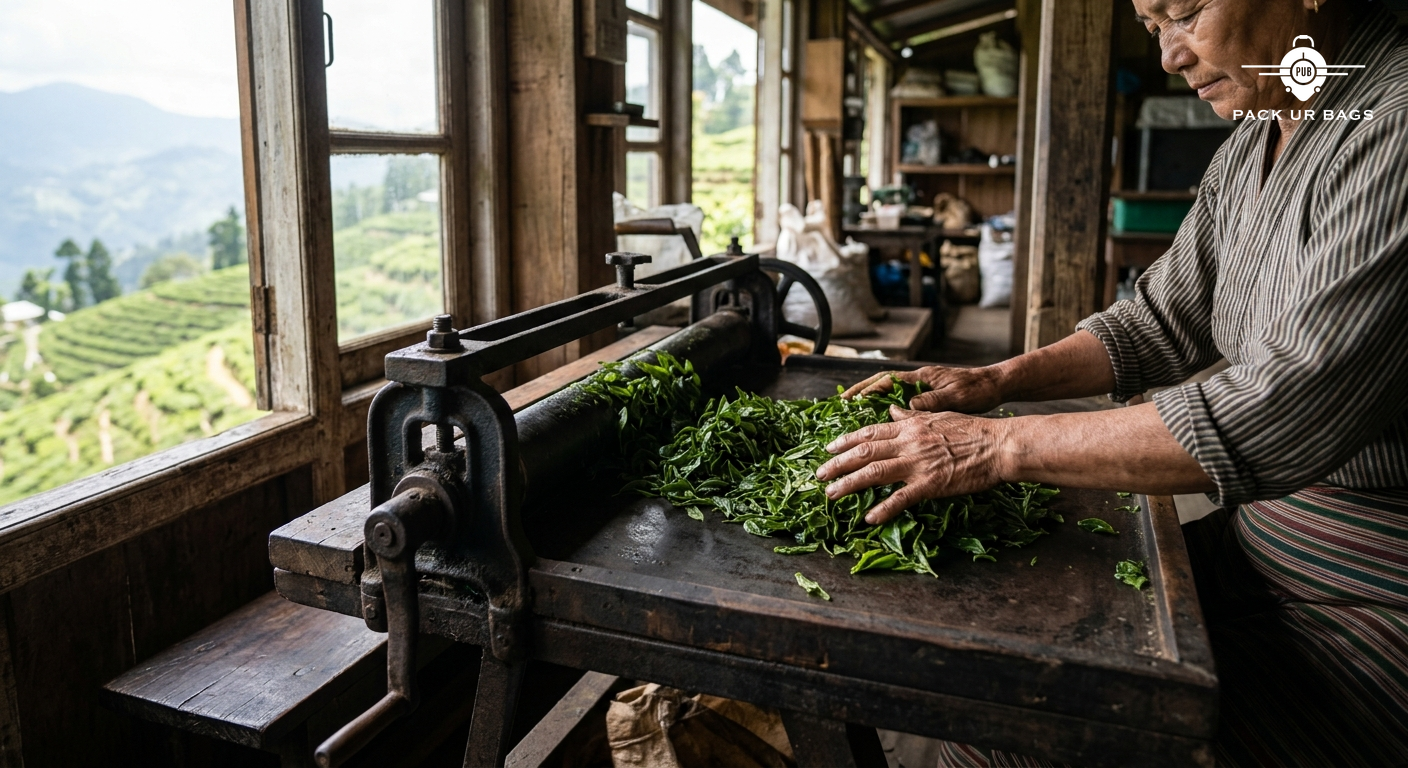
That’s a waste. Real tea estate tours in Darjeeling let you walk through the plantation, see the withering troughs, the rolling machines, the fermentation rooms. You taste first flush versus second flush. You understand why altitude matters, why shade matters, why those specific two leaves and a bud make all the difference.
We learned this the hard way. Early on, we included “tea garden visit” as a 45-minute slot in packed itineraries. Travellers came back underwhelmed. They’d seen tea bushes, sure, but hadn’t really experienced anything. So we changed it. Now we build half-day estate tours into every Darjeeling package, usually on day two or three when people have acclimatised and aren’t rushing.
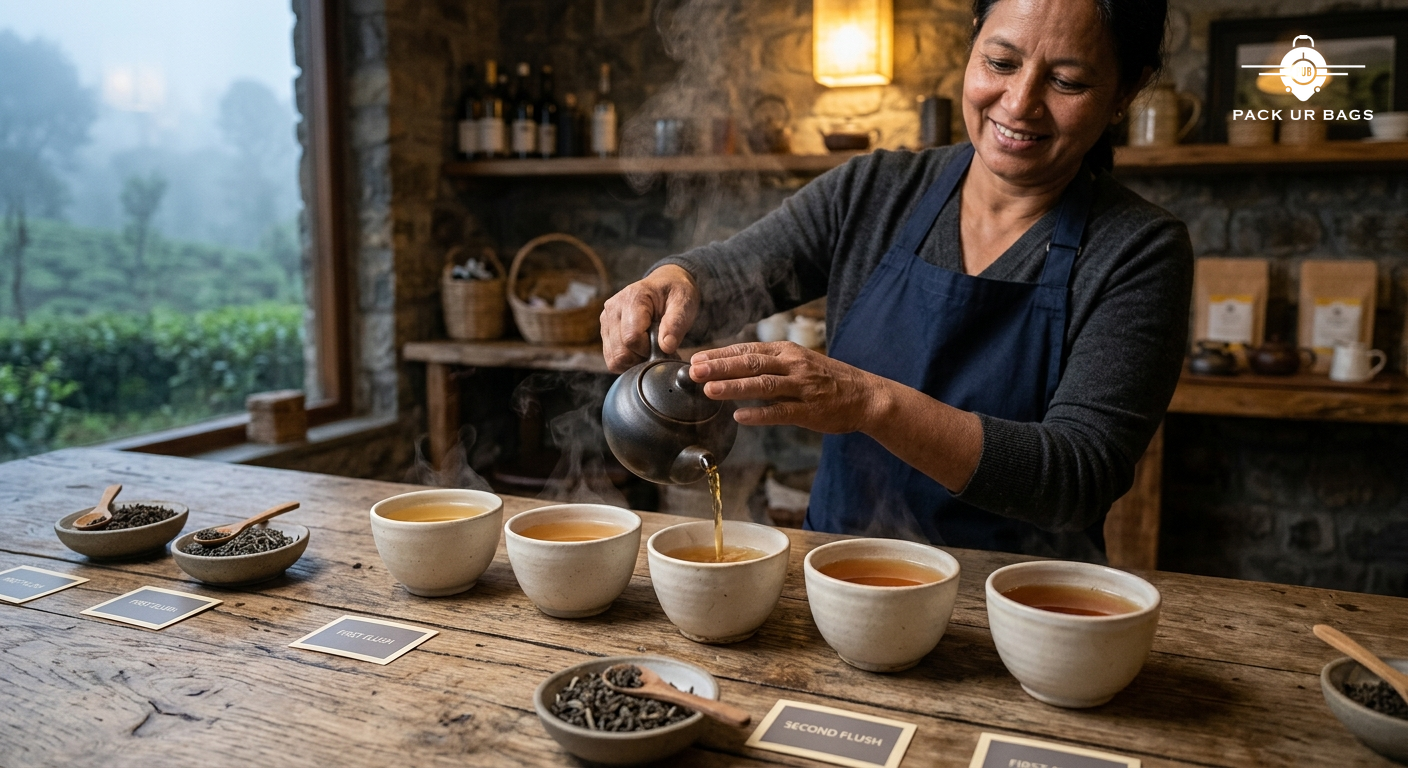
The difference is massive. You’re not just looking at tea. You’re walking through it. The estates worth visiting — Glenburn, Happy Valley, Ging, Makaibari — offer guided tours that explain the full cycle. You see plucking happen in real time. You watch leaves being weighed. You smell the fermentation rooms. You sit in a tasting room and try five different grades from the same estate.
That’s what sticks. Not the toy train. Not another monastery. The tea.
Which Tea Estates in Darjeeling Actually Let You Walk Through
Not every estate is open to visitors. Some only sell at the gate. Others require advance permission. Here are the ones that work for most Bangalore-to-Darjeeling trips.
Happy Valley Tea Estate
Closest to Darjeeling town — just 3 km north. You can reach it in 15 minutes by taxi. Happy Valley is one of the oldest estates still operating, started in 1854, and it’s the easiest to add to a tight itinerary.
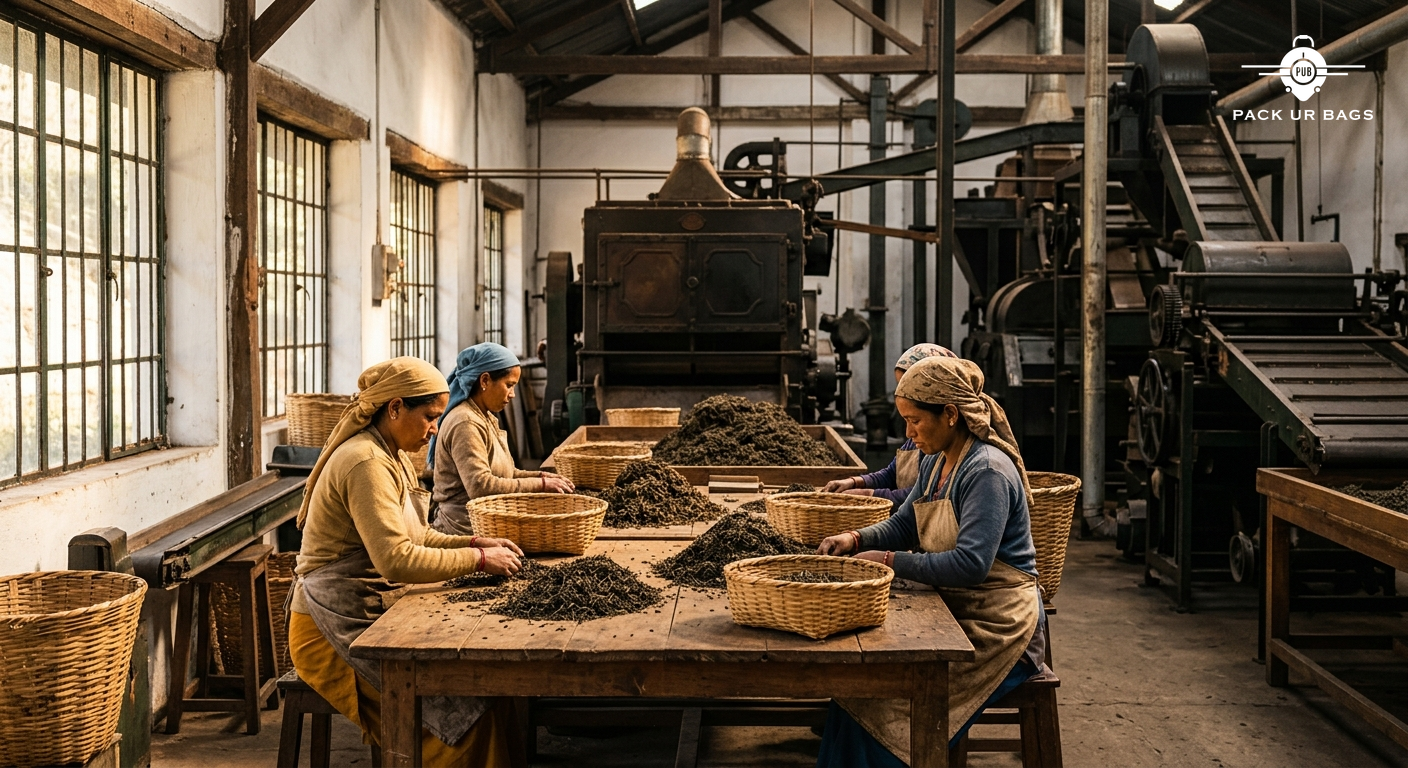
The factory tour here is proper. You’ll walk through the entire production line — withering, rolling, oxidation, drying, sorting. They explain each step clearly, and the guide usually speaks decent English. The estate sits at around 2,000 metres, so the views are excellent, but what matters more is that you’re actually inside a working factory, not looking at it from a distance.
Tasting happens at the end. They’ll pour you three or four grades from the latest flush. No pressure to buy, though the shop is right there if you want to.
Entry costs around ₹100 per person. Tours run daily except Sundays, usually from 9 am to 4 pm. Go in the morning if you can — that’s when plucking happens.
Glenburn Tea Estate
This one’s different. Glenburn isn’t just a tea estate — it’s a luxury stay with a working plantation attached. It’s about 30 km from Darjeeling town, roughly an hour’s drive through winding roads.
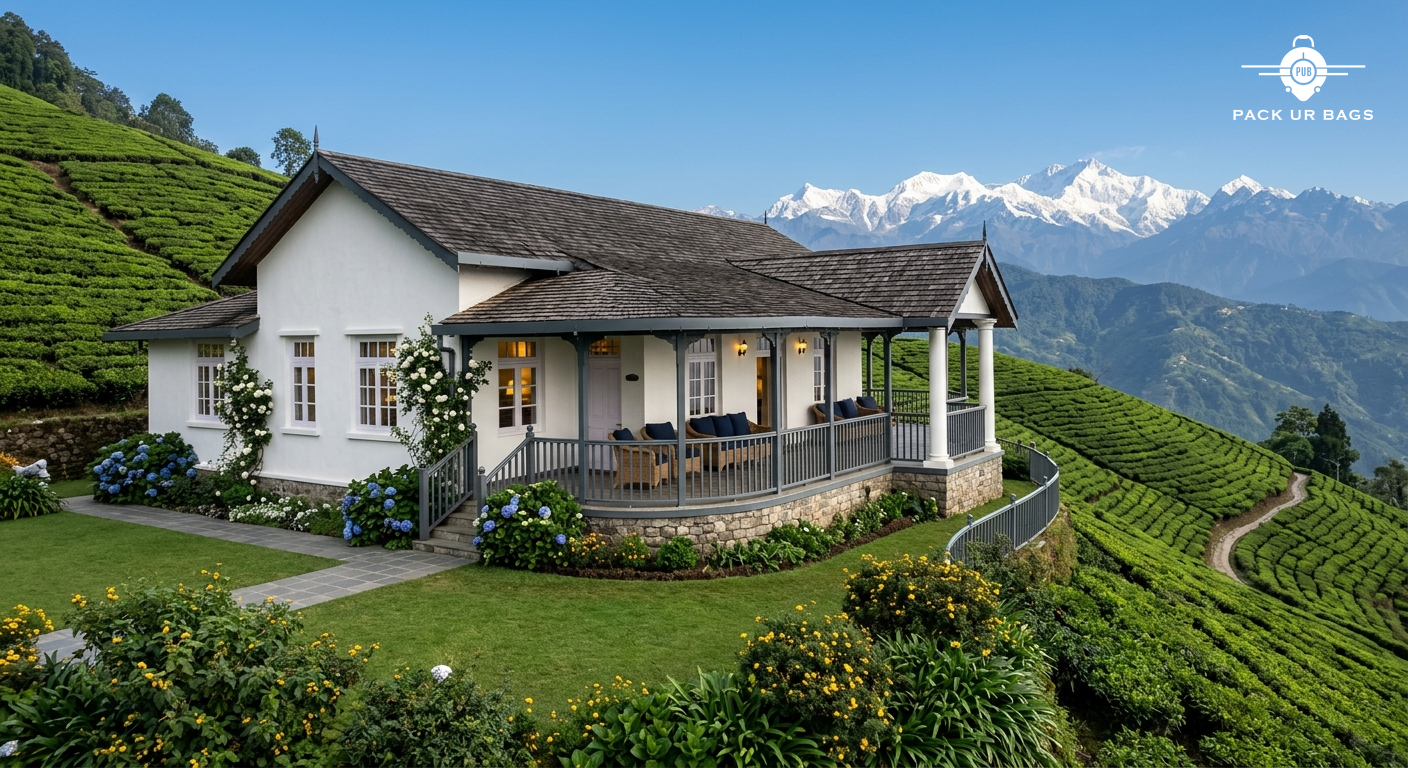
If you’re doing a longer Darjeeling tour package from Bangalore — say, five or six nights — we often suggest spending one or two nights here instead of staying in town the whole time. The estate has a heritage bungalow and cottages, and the stay includes guided tea walks, factory visits, and tastings.
You’ll walk through terraced slopes with a guide who knows the land. They’ll show you organic sections, explain biodynamic farming, point out which bushes are first flush quality. The factory tour is more intimate here because group sizes are smaller.
Meals are served with estate-grown tea. Breakfast comes with a fresh brew made from leaves plucked that morning. It’s the kind of experience that justifies the cost — around ₹20,000 per night for a double room, all meals included.
Not everyone wants to spend that much, and that’s fair. But if tea is genuinely your focus, Glenburn is the deepest dive you’ll get.
Makaibari Tea Estate
Makaibari has a reputation. It’s one of the oldest certified organic and biodynamic tea estates in the world. The plantation sits in the Kurseong region, about 40 km from Darjeeling.
What makes it different is the philosophy. The estate doesn’t just grow tea — it integrates the local community, runs schools, and follows strict sustainability practices. The tour here is part tea education, part environmental lesson.
You’ll walk through sections where tea grows alongside native trees. The factory is smaller than Happy Valley’s, but the process is explained in more detail. They cover fermentation levels, how they decide when to stop oxidation, why some batches get auctioned internationally and others don’t.
Tasting happens in a small room with estate managers. You’ll try teas from different seasons, sometimes even experimental batches. The shop sells directly, and prices are fair — no tourism markup.
Entry is around ₹150 per person. Tours run by appointment, so book a day ahead. The estate also offers homestays if you want to spend a night, usually priced around ₹3,500 to ₹5,000 per night with meals.
Ging Tea Estate
Less famous, less crowded, equally good. Ging is about 14 km from Darjeeling town, closer than Glenburn but farther than Happy Valley. It’s a mid-sized estate with a straightforward factory tour.
What works here is the pace. Tours are slower, less scripted. You’re not rushed through. If you ask questions, the guide stops and answers properly. The factory isn’t as polished as Happy Valley’s, but that’s actually better for understanding how things really work.
The estate also has a small cafe where they serve fresh tea with local snacks. It’s a nice spot to sit after the tour and just look at the hills.
Entry is around ₹100. Tours run most days except during monsoon shutdowns. Call ahead to confirm timing.
How to Structure a Darjeeling Trip from Bangalore Around Tea Gardens
Most Bangalore travellers fly into Bagdogra and drive up to Darjeeling — about 3.5 to 4 hours depending on traffic and stops. Some take the train to New Jalpaiguri and then drive. Either way, the trip is roughly 1,600 km one way, so flights make sense unless you’ve got a week to spare.
Here’s how we typically structure a six-day Darjeeling tour package from Bangalore when tea gardens are the priority.
Day 1: Fly Bangalore to Bagdogra, transfer to Darjeeling
Land by noon if you’re on the morning flight. The drive up is slow but scenic. Reach Darjeeling by late afternoon. Check in, rest, acclimatise. Don’t plan anything heavy on day one. Walk around Mall Road if you’re feeling fresh, but don’t rush.
Day 2: Happy Valley Tea Estate and Darjeeling town
Start early. Head to Happy Valley by 9 am. Spend two to three hours there — tour, tasting, shop if you want. Return to town for lunch. Afternoon is free for the Himalayan Mountaineering Institute, zoo, or just sitting at a cafe. This is your orientation day.
Day 3: Sunrise at Tiger Hill, then Ging or Makaibari
Tiger Hill means a 3.30 am wake-up. It’s cold, it’s crowded, but if the weather’s clear, you’ll see Kanchenjunga lit up. You’re back in town by 8 am. Rest for a bit, then head out to Ging or Makaibari for the second estate tour. This is a long day, so pace yourself.
Day 4: Day trip to Mirik or transfer to Glenburn
If you’re doing the Glenburn stay, transfer here and settle in. If not, take a day trip to Mirik Lake — it’s about two hours away, quiet, less touristy. Or stay in Darjeeling and visit smaller spots like the Japanese Peace Pagoda or Observatory Hill.
Day 5: Glenburn estate walk (if staying), or explore Kurseong
If you’re at Glenburn, spend the day walking the estate. If you’re still in Darjeeling, drive down to Kurseong for a change of pace. It’s lower, warmer, and less crowded. You can visit smaller estates here or just enjoy the slower rhythm.
Day 6: Return to Bagdogra, fly to Bangalore
Check out by 10 am. Drive takes about four hours. Afternoon or evening flight back works well.
This structure gives you three proper tea experiences — Happy Valley, one other estate tour, and optionally Glenburn — without turning the trip into a race.
Best Time to Visit Darjeeling for Tea Garden Tours
Tea plucking happens year-round, but timing affects what you’ll see and taste.
First flush: March to April
This is the most prized harvest. The leaves are young, delicate, flavour is light and floral. If you visit during first flush, you’ll see intense plucking activity. Estates are busy. The weather is cool but clear. This is peak season, so expect higher hotel rates and bigger crowds.
Second flush: May to June
The muscatel flavour Darjeeling is famous for comes from second flush. The leaves are more mature, flavour is fuller, richer. This is also peak season. Weather starts getting warmer, and by late June, monsoon arrives.
Monsoon flush: July to September
Most Bangalore-to-Darjeeling trips avoid this period. It rains heavily, roads get risky, and visibility drops. Estate tours still run, but the experience isn’t as good. Prices drop, though, if that matters.
Autumn flush: October to November
The weather clears up. Plucking restarts. The flavour is milder than second flush but still pleasant. This is the second-best window after first and second flush. Diwali and Durga Puja vacations mean some crowd, but it’s manageable.
We usually recommend March to early May or October to November for Darjeeling tea garden tours. You’ll see active plucking, the weather cooperates, and factories are running full capacity.
What to Actually Expect on a Tea Estate Tour
Let’s be realistic. These aren’t luxury experiences. You’re walking through a working plantation. The factory floors are loud, sometimes humid, and smell strongly of fermenting tea. Wear comfortable shoes. The paths can be uneven, and you’ll be on your feet for an hour or more.
Guides vary. Some are excellent — they’ve worked the estate for years and know every detail. Others are newer and stick to a script. If you’re genuinely interested, ask questions. Most guides appreciate it and open up more.
Plucking happens early — usually from sunrise to around 11 am. If you want to see women plucking in the fields, you need to time your visit for the morning. Afternoon tours will show you the factory, but the fields will be quieter.
Tasting isn’t formal. You’re not sitting in a wine-tasting setup. It’s usually a small room, sometimes just a table, with a few cups and a kettle. They’ll pour different grades, explain the differences, and let you taste. No one’s rushing you, but it’s also not a long ceremony.
Photography is usually allowed, but ask first. Some estates don’t want you photographing workers without permission. Respect that.
How Pack Ur Bags Builds Darjeeling Tea-Focused Itineraries from Bangalore
We’ve planned enough Darjeeling trips to know what works and what doesn’t. The biggest mistake we see is cramming too much into too few days. People want tea gardens, Tiger Hill, toy train, Mirik, Kalimpong, sometimes even Gangtok — all in four nights. It doesn’t work. You end up seeing nothing properly.
Our approach is simple: decide what matters most, build around that, and cut the rest.
If tea is the priority, we structure the trip around two or three estate visits, add one or two classic Darjeeling experiences like Tiger Hill or a short toy train ride, and leave space for just walking around. That’s it.
We also don’t use fixed packages. Every Darjeeling tour package from Bangalore we plan is customised. Some travellers want luxury stays like Glenburn. Others want budget homestays in town. Some want private cars throughout. Others are fine sharing transfers. We ask what you actually want, then build it.
Pricing is transparent. A basic six-day trip from Bangalore covering flights, stay, transfers, and two estate tours usually starts around ₹35,000 per person. If you add Glenburn or upgrade hotels, it goes up. If you skip flights and take the train, it comes down. We send a detailed breakup before you confirm anything.
We also handle the boring stuff — permits if needed, restaurant reservations, early morning Tiger Hill logistics, booking estate tours in advance. You shouldn’t have to chase these things while you’re travelling.
One thing we’ve learned: the travellers who enjoy Darjeeling most are the ones who aren’t trying to see everything. They’re okay spending half a day just sitting in a tea estate cafe, watching the hills, drinking fresh brew. If that sounds like you, this trip works. If you’re the type who needs to tick off ten sights a day, maybe Darjeeling isn’t the right fit.
Practical Stuff: Flights, Transfers, Hotels
Flights from Bangalore to Bagdogra
IndiGo and Air India run direct flights daily. Flight time is around 2.5 hours. Book at least a month ahead to get decent rates — usually between ₹5,000 and ₹8,000 one way. Last-minute prices spike, especially during first flush or Durga Puja season.
Bagdogra to Darjeeling transfers
Most travellers hire a private car. It’s around ₹2,500 to ₹3,500 for a one-way transfer depending on the vehicle. Shared taxis are cheaper — around ₹200 per seat — but they wait till the car fills, and you’re stuck with strangers and luggage for four hours. We usually recommend private unless you’re travelling solo and budget-conscious.
Where to stay in Darjeeling
If you’re staying in town, the area around Mall Road or Chowrasta works well. Hotels like Windamere, Mayfair, and Elgin are heritage properties with character. Budget options include Dekeling Resort and Hotel Seven Seventeen. Prices range from ₹2,000 per night for budget stays to ₹12,000 or more for heritage properties.
If you’re doing the Glenburn stay, you’re sorted for accommodation there. Otherwise, mix it — two nights in town, one night at a smaller estate homestay if you want variety.
Food
Darjeeling has decent food, but don’t expect Bangalore variety. Stick to Tibetan momos, thukpa, and local rice-based meals. Glenary’s and Keventers are the two most reliable spots for continental and bakery items. Most hotels serve set meals, which are usually safe and filling.
Mistakes to Avoid When Planning a Bangalore to Darjeeling Trip
Skipping advance bookings for estate tours
Some estates, especially Makaibari and Glenburn, need prior appointments. You can’t just show up. Book at least three to four days ahead, more during peak season.
Trying to do Darjeeling and Gangtok in five days
We get this request constantly. It doesn’t work. Gangtok is another five hours from Darjeeling. If you add it, you’ll spend most of your time in cars. Pick one. Do it properly.
Packing for Bangalore weather
Darjeeling is cold. Even in May, mornings and evenings need a jacket. If you’re going for Tiger Hill, you’ll need proper winter layers. Don’t assume it’s just “a little cooler than Bangalore.” It’s genuinely cold.
Booking toy train tickets last minute
The toy train is popular. Tickets sell out days in advance, sometimes weeks during peak season. If you want the Darjeeling-Ghum joyride, book online as soon as your travel dates are confirmed.
Overpacking the itinerary
This is the biggest one. Darjeeling is small. You don’t need to fill every hour. Build in rest time. Altitude affects some people. Headaches, fatigue, shortness of breath — it happens. If you’ve packed your schedule tight, you’ll struggle.
Frequently Asked Questions
How many days do you need for a Darjeeling tea garden tour from Bangalore?
Six days is ideal. That includes travel days, two to three estate visits, and some buffer time. You can do it in five if you’re efficient, but six is more comfortable. Anything less than five feels rushed.
Can you visit Darjeeling tea gardens during monsoon?
Yes, estates are open and plucking continues, but the experience suffers. Visibility is poor, roads are slippery, and you won’t see the hills properly. Unless you’re getting a steep discount, avoid July to September.
Is Glenburn Tea Estate worth the cost?
If tea is genuinely your focus and you’re okay spending ₹20,000 per night, yes. The experience is immersive, the property is beautiful, and you’re not just visiting a tea garden — you’re staying inside one. But if you’re on a tighter budget, Happy Valley and Makaibari give you 80% of the experience at a fraction of the cost.
Do you need a guide for tea estate tours?
Most estates provide a guide as part of the entry fee. You don’t need to hire one separately. If you’re visiting multiple estates and want deeper insight, some estates offer private guided walks for an additional charge, usually around ₹500 to ₹1,000.
Book a Darjeeling Tea Garden Trip That’s Actually Built Around What You Want
If you’re serious about seeing Darjeeling’s tea gardens properly — not just a quick photo stop, but real estate walks, tastings, and time to absorb the place — we’ll build that trip for you.
We don’t sell fixed packages. We ask what matters to you, how much time you have, what your budget looks like, and we plan from there. Every itinerary is different because every traveller is different.
Pack Ur Bags has planned dozens of Darjeeling tours from Bangalore over the past few years, and we’ve learned what works: slower itineraries, fewer sights, better experiences. If that sounds like the trip you want, call us at +91-9150017657 or reach out through our Sarjapur office. We’ll handle everything — flights, stays, transfers, estate bookings, permits if needed, and 24/7 support while you’re travelling.
You’ll come back talking about the tea. Not the viewpoints. Not the train. The tea.