
Budget Travel Tips for Bangalore Families: How to Travel More for Less
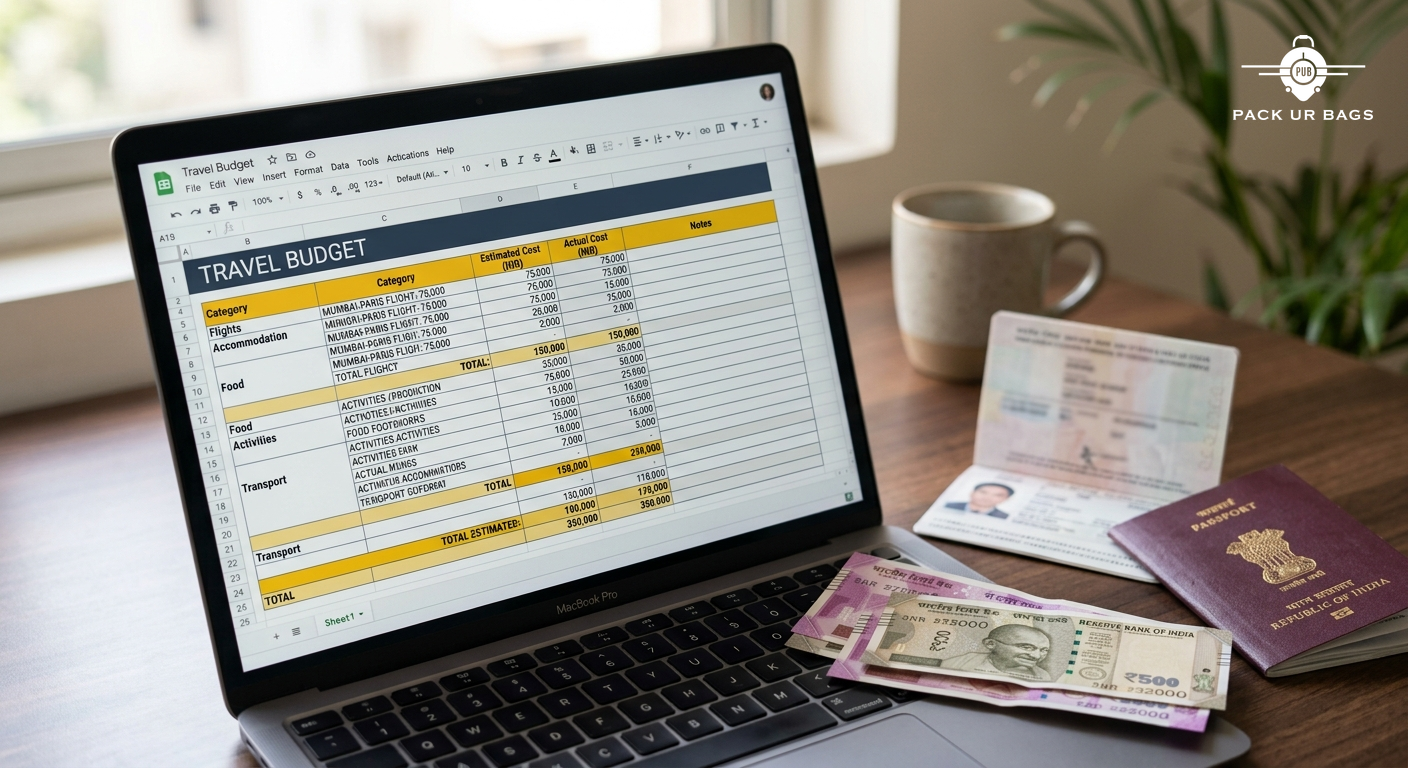
Last month, a family walked into our office with a Google Sheet that’d make an accountant weep. They’d listed every possible expense for a week in Kerala — hotels, transport, food, activities, even the estimated cost of roadside chai. The total? ₹1,87,000 for four people. They were ready to cancel the whole thing.
We looked at the same itinerary. Same destinations. Same week. Different approach. Final cost? ₹74,000. Same experiences, better planning, zero compromises on safety or comfort.
That’s not magic. It’s just knowing where travel costs actually hide and how Bangalore families can work around them without turning holidays into budget boot camps.
Here’s what most people miss: travel doesn’t get cheaper when you cut experiences. It gets cheaper when you understand how the industry prices things and where you actually have leverage. After planning hundreds of family trips from Bangalore over the years, we’ve seen the same expensive mistakes repeat — and the same smart moves that free up thousands without anyone feeling like they’re missing out.
Start with the Destination, Not the Dream
Everyone wants the Maldives. Not everyone needs it.
We had a couple with two kids who’d set their hearts on an international beach holiday. Budget: ₹1,20,000. Maldives would’ve eaten that in four nights. We suggested Gokarna instead — same turquoise water, better food, a fraction of the cost. They were skeptical. They went anyway. Came back raving about it and still had ₹40,000 left over.
The mistake most Bangalore families make isn’t dreaming big. It’s not checking if a closer destination solves the same problem. You want mountains and cool weather? Coorg delivers that faster and cheaper than Manali. You want beaches and seafood? Karwar beats Goa on price and crowd control. You want cultural immersion? Hampi’s right there.
Budget travel tips for Bangalore families start with being honest about what you’re actually chasing. Adventure? Relaxation? Instagrammable sunsets? Once you name it, you’ll find three destinations within 500 km that deliver it for half the price of the trendy option everyone’s posting about.
Here’s the other part no one talks about: international trips aren’t inherently expensive. They’re expensive when you pick high-season Europe or last-minute Southeast Asia. Thailand in May? Cheap. Thailand in December? Not even close. Bali mid-week? Affordable. Bali on a long weekend during Diwali? You’re paying holiday surge prices on everything from flights to bottled water.
Domestic or international doesn’t matter as much as timing and research. We’ve sent families to Vietnam for less than what they’d have spent in Goa during Christmas week.
Book Flights Like You’re Trading Stocks, Not Shopping for Shoes
Most people open a flight booking site, pick their dates, and hit search. If the price feels okay, they book. If it feels high, they wait a day and check again. That’s not a strategy. That’s hope.
Flight prices aren’t random. They’re algorithmic. They fluctuate based on demand predictions, seat inventory, browsing behavior, and about fifteen other factors the airlines won’t tell you about. If you’re searching the same route repeatedly from the same device, prices can actually go up because the system assumes you’re committed.
Clear your cookies. Use incognito mode. Check from a different device. It sounds paranoid. It works.
Then there’s timing. For Bangalore families planning budget travel, the sweet spot for domestic bookings is about 6 to 8 weeks out. Too early and you’re paying a premium for flexibility you might not need. Too late and you’re fighting holiday crowds and surge pricing. International flights? Start watching 10 to 12 weeks ahead. Set alerts on Google Flights or Skyscanner. When the price dips, move.
Weekend flights cost more. Morning flights cost more. Direct flights cost more. If you’ve got time flexibility — and with kids, that’s a big if — flying mid-week and accepting one layover can cut your ticket cost by 30 percent. A Bangalore to Guwahati direct on a Friday might run ₹8,500. Same route on a Tuesday with a stop in Kolkata? ₹5,200.
One more thing we tell every family: check alternate airports. If you’re flying to Kerala, compare Kochi and Kozhikode. Heading to Rajasthan? Check Jaipur, Udaipur, and Jodhpur. The fare difference can be massive, and a two-hour drive at your destination is way cheaper than paying ₹4,000 extra per ticket.
And for the love of all things holy, don’t book tickets and hotels on the same day from the same IP address if you’re using dynamic pricing platforms. They know. They will adjust.
Pick Accommodations Based on Time Spent, Not Listings
Here’s a pattern we’ve noticed: families spend hours choosing a resort, book the one with the nicest pool and the best reviews, then spend exactly two waking hours there across a four-day trip.
That’s not wrong. But it’s expensive for what you’re actually using.
Budget travel tips for Bangalore families include this: match your accommodation cost to your itinerary. If you’re out all day doing activities, sightseeing, or eating at local spots, you don’t need a five-star property. You need a clean bed, hot water, and safe parking. A mid-range hotel or a well-reviewed homestay will do that for ₹2,500 a night instead of ₹8,000.
But if your plan is to relax at the property — pool time, in-house dining, spa, kids’ play area — then yeah, pick a resort. Just make sure you’re using what you’re paying for.
We had a family book a luxury resort in Coorg for ₹12,000 a night because the photos looked incredible. They checked in at 11 p.m. after a long drive, left at 7 a.m. for a full-day tour, came back at 9 p.m., and checked out the next morning. Total time enjoying the resort? Maybe three hours, most of it asleep. That’s ₹4,000 an hour for a bed.
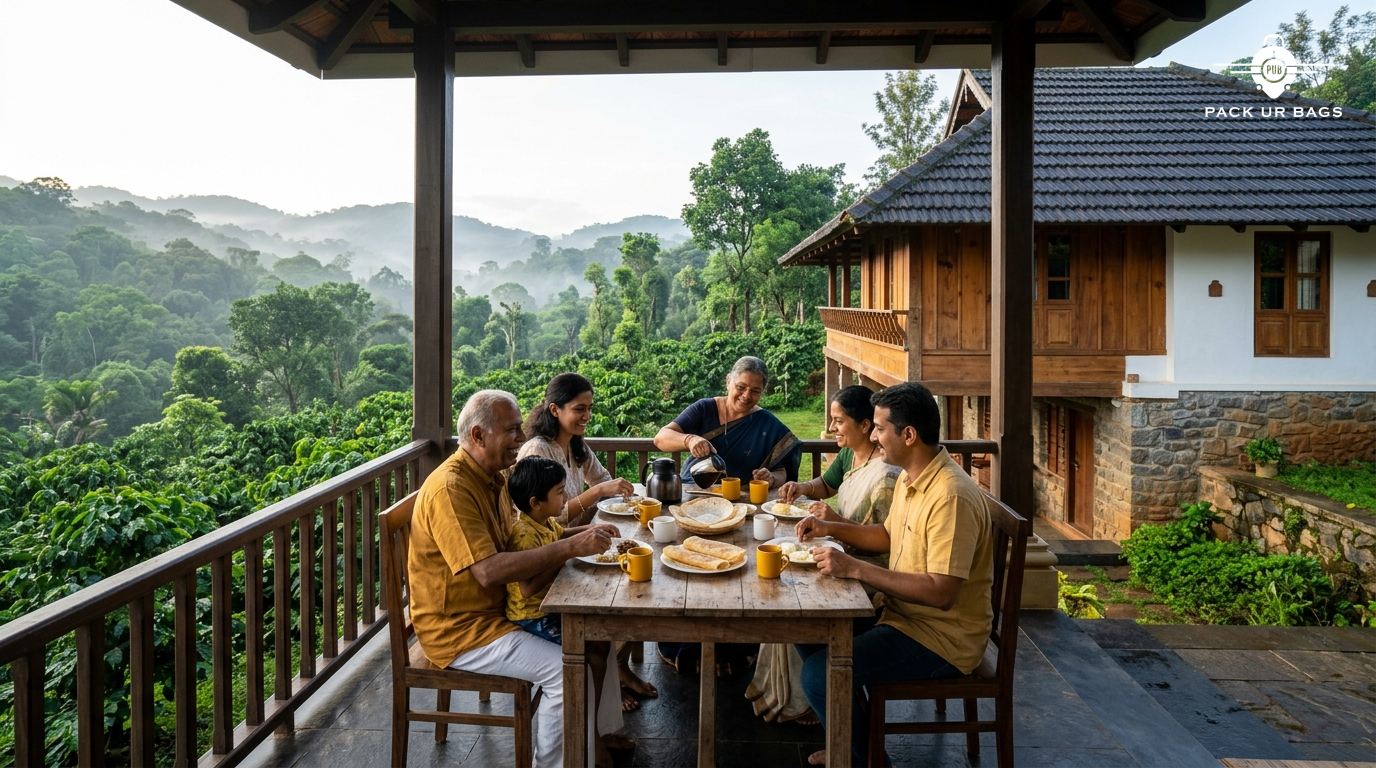
For that same trip, a homestay would’ve been ₹3,000, included home-cooked food, and the host would’ve given them better activity recommendations than any concierge.
Here’s the other shift: stop defaulting to hotels. Bangalore families traveling on a budget should look at serviced apartments, homestays, and even Airbnb options in residential areas. You’ll get more space, kitchen access — which saves a fortune on meals — and often a better sense of the place you’re visiting. Plus, if you’ve got young kids, having a washing machine and a fridge isn’t luxury. It’s logistics.
One warning: cheap can be too cheap. If a place is significantly under market rate for that area and season, read the reviews carefully. “Budget-friendly” shouldn’t mean “no running water” or “front desk staff that vanish after 6 p.m.” Check recent reviews. Not just the rating. Actually read what people wrote in the last three months.
Eat Half Your Meals Where Locals Eat
Tourist restaurants aren’t just expensive. They’re often worse.
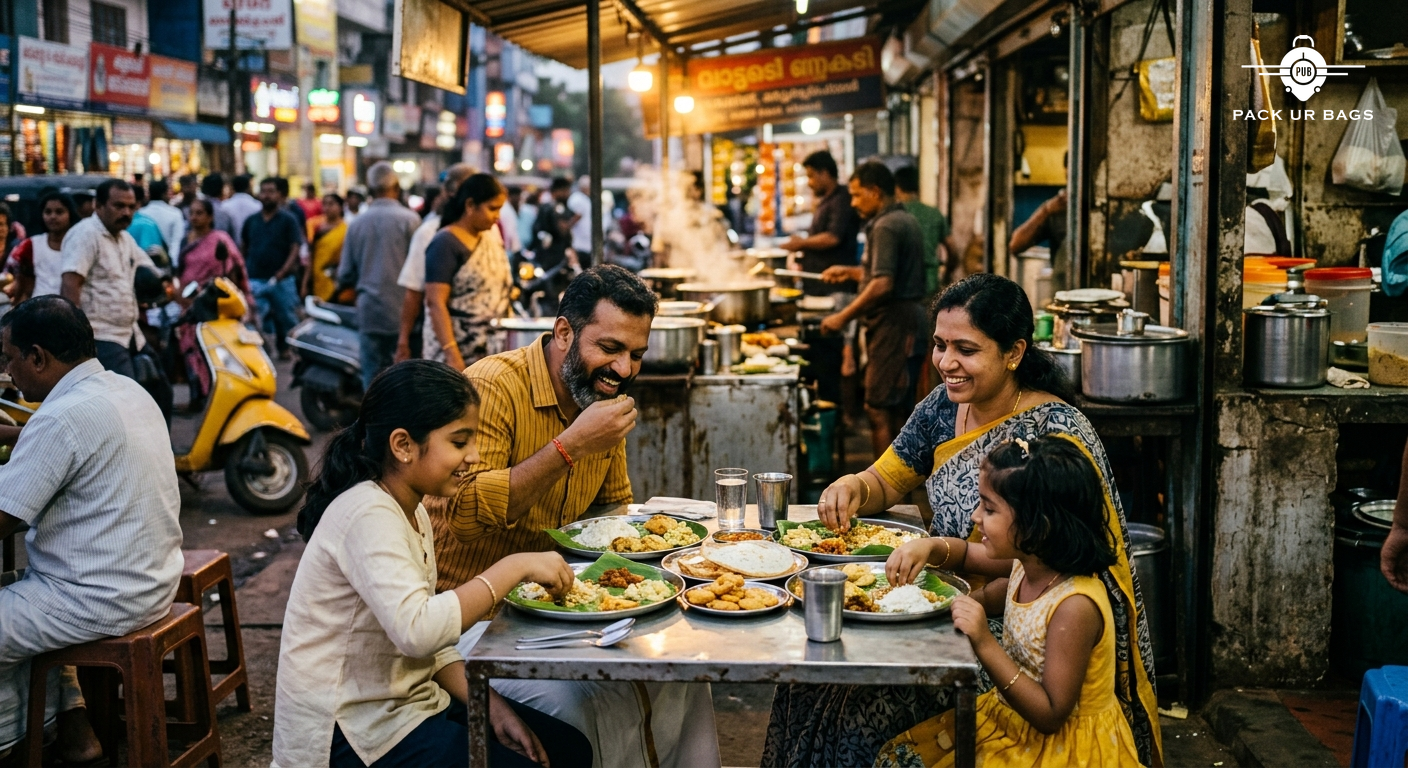
We’ve watched families drop ₹3,500 on lunch at a resort in Munnar when the tea-stall dosa place five minutes down the road served better food for ₹400. Same story in Gokarna, Pondicherry, Udaipur, and honestly anywhere tourists congregate.
The standard travel advice is “eat local.” That’s not wrong, but it’s not specific enough. Here’s the real budget travel tip for Bangalore families: eat breakfast at your hotel if it’s included, pack snacks for kids, have lunch at a busy local spot where you see families eating, and do dinner at mid-range places with visible kitchens and a local crowd.
Breakfast buffets at hotels are usually the best value if they’re part of your room rate. Load up. Fruit, toast, eggs, dosa, idli — fill everyone up properly. That way, you’re not stopping for expensive snacks an hour into your day.
For lunch, avoid places within 500 meters of major tourist spots unless they’re packed with locals. If it’s empty at 1 p.m. and the menu’s in four languages with photos, you’re paying a tourist tax. Walk another ten minutes. Find a busy mess or a dhaba. The food will be faster, cheaper, and usually better.
Dinner’s where you can relax the budget a bit if you want, but even here, you don’t need to default to hotel restaurants. Ask your driver. Ask your hotel housekeeping staff. They’ll tell you where they eat. That’s your signal.
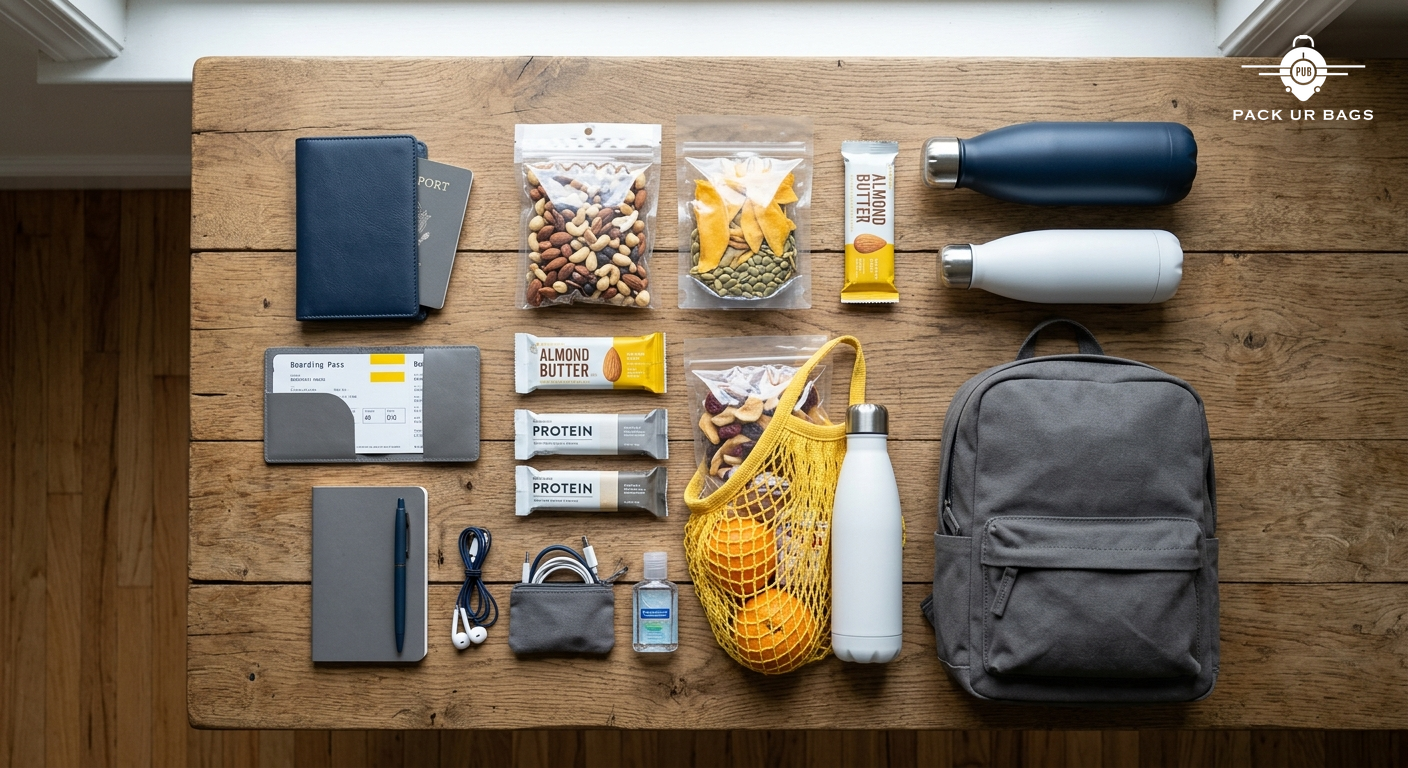
And carry snacks. Always. Packaged biscuits, chips, fruit, juice boxes. Kids get hungry at the worst times, and airport snacks or highway rest-stop samosas cost four times what they should. A ₹150 grocery run before your trip saves you ₹1,500 in panic purchases.
One more thing: skip bottled water markups by carrying a reusable bottle and refilling at your hotel. Buying six bottles a day at ₹40 each for a week? That’s ₹1,680 on water. Carry two bottles, refill for free. Small move, real savings.
Travel in Shoulder Seasons and Mid-Week
This one’s simple but most people ignore it.
Peak season costs more. Weekends cost more. Holidays cost more. If you’ve got school-age kids, you’re stuck with some of that. But if you’ve got flexibility — younger kids not yet in school, or you’re willing to pull them out for a few days — traveling in shoulder season is the single biggest money saver that doesn’t compromise experience.
Coorg in June? Gorgeous, green, half the price of December, and barely any crowds. Rajasthan in March? Still pleasant, way cheaper than January. Goa in late September? Rains are tapering off, beaches are empty, hotels are practically giving rooms away.
For Bangalore families, this also means shorter drives and cheaper fuel. Weekend traffic heading out of the city on a Friday evening is a nightmare. Leave on a Wednesday morning and you’ll save an hour on the road and won’t burn through a tank of petrol idling in traffic.
We had one family shift their Ooty trip from a long weekend in October to a random Tuesday-Thursday in September. Saved ₹18,000 on accommodation alone, got better hotel rooms because occupancy was low, and their kids liked it better because the toy train wasn’t packed and they didn’t have to queue for the botanical garden.
Mid-week travel also gets you better customer service. Hotels aren’t slammed. Restaurants have time to actually talk to you. Drivers are available and not charging surge rates. It’s a better experience even before you count the cost savings.
If you absolutely can’t avoid peak season, book as early as humanly possible. Tourist spots near Bangalore — Coorg, Chikmagalur, Ooty, Wayanad — get block-booked months ahead for Diwali, Christmas, and summer holidays. Prices double, and availability vanishes. Locking in your stay six months early at least gets you normal rates.
Use Public and Shared Transport Where It Makes Sense
Renting a private car for a family trip feels like the default. It’s comfortable. It’s flexible. It’s also one of the biggest line items in your budget.
For a week-long trip, a rented sedan with a driver can run ₹15,000 to ₹25,000 depending on distance and season. That’s not small money.
Here’s where budget travel tips for Bangalore families get practical: break your trip into legs and use the right transport for each.
Airport to hotel? Pre-book an airport taxi or use app-based cabs. Cheaper than hotel transfers. Hotel to sightseeing? Rent a car for the day if you’re covering a lot of ground. But if you’re spending three days in one town, walking, cycling, or using local autos is faster and way cheaper. A day of auto rides in Fort Kochi? Maybe ₹400. A full-day car rental? ₹3,500.
Long intercity travel? Check if trains or buses make sense. Bangalore to Gokarna by train is ₹800 per person in sleeper, and it’s an overnight journey so you’re saving a hotel night. Driving the same route costs ₹6,000 in fuel and tolls, and you lose a day to travel.
We’ve had families combine transport modes and cut their travel budget in half. Fly into Guwahati, take a shared SUV to Shillong, use local taxis there, take a bus to Cherrapunji, fly back from Guwahati. Total cost for four people: ₹32,000. If they’d rented a private car for the whole trip? ₹58,000.
One note: shared transport works better with older kids. If you’ve got toddlers and you need car seats, flexibility on timing, and space for a pram, private transport might be worth it. Don’t compromise safety to save money. But if your kids are seven and up and can handle a bus ride or a train journey, it’s not just cheaper. It’s more interesting.
And if you’re driving your own car, plan your fuel stops. Diesel costs vary wildly between states. Fill up in Karnataka before entering Kerala if you’re driving there. It’s ₹4 to ₹6 cheaper per litre, and on a full tank, that’s real money.
Plan Activities, Don’t Pay for Itineraries You Won’t Finish
Every destination has a list. The top ten things to do. The must-see spots. The experiences you can’t miss.
Most of them are skippable.
We’ve seen families try to cram eight activities into a three-day trip, pay advance fees for all of them, and end up doing four because the kids were tired or it rained or the drive took longer than expected. That’s not bad luck. That’s bad planning.
Budget travel tips for Bangalore families include this: plan half as much as you think you need. Pick two anchor activities per day. Leave space. If everyone’s having fun at the beach, you don’t need to drag them to a spice plantation just because it’s on the list.
And don’t pre-pay for everything unless there’s a real discount. A lot of activities — boat rides, treks, temple visits, local tours — can be booked on the spot for the same price or cheaper. Booking through a tour operator or a hotel concierge often includes a commission you’re paying without realizing it.
One family told us they paid ₹12,000 for a “tribal village cultural experience” in Wayanad through their resort. The same visit, booked directly with the village guide, was ₹4,500. The experience was identical. The markup was pure commission.
If an activity requires advance booking — wildlife safaris, restricted monuments, adventure sports with limited slots — book it directly through the official site or operator. Skip the middleman unless they’re genuinely adding value like transport, timing coordination, or local expertise you don’t have.
Here’s the other piece: free activities count. Beaches, hikes, heritage walks, temple visits, market wandering, sunset watching — half the best travel memories don’t cost a rupee. We’ve had families spend ₹15,000 on a curated fort tour in Jaipur when they could’ve walked it themselves with a decent guidebook and had a better time.
Kids don’t care if something’s expensive. They care if it’s interesting. A rocky beach where they can hunt for shells beats a resort pool if you frame it right.
Book Packages Only When They Actually Save You Money
This one’s tricky because it’s our business, but we’re going to be honest about it.
Packages aren’t always cheaper. Sometimes they’re just more convenient.
A travel package makes sense when it bundles things you’d book anyway and gets you group rates, off-season deals, or supplier relationships you don’t have access to. It stops making sense when you’re paying for inclusions you don’t need just because they’re part of the deal.
We’ve had Bangalore families ask us to price out a Himachal package and then realize they could do it cheaper on their own because they didn’t need half the inclusions — the fancy meals, the guided tours, the fixed itinerary. If you’ve got the time to research and book everything yourself, and you’re comfortable troubleshooting on the go, independent travel can be cheaper.
But here’s where packages win for budget-conscious families: bulk buying power and time saved. We get hotel rates families can’t access on OTAs. We pre-negotiate transport and activities. We bundle it so there’s no surprise costs, no mid-trip haggling, and if something goes wrong, you’ve got someone to call who can actually fix it.
At Pack Ur Bags, we’ve built itineraries that came in under what families would’ve paid booking direct because we know which properties offer family discounts mid-week, which drivers are reliable and won’t tack on hidden charges, and which activities are worth the money versus which ones are tourist traps.
The test? Price it both ways. Get a package quote. Then spend two hours researching and pricing the same trip on your own. If the difference is less than ₹10,000 and the package includes support, go with the package. If you can save ₹30,000 and you’re confident managing it yourself, do that.
Just don’t assume packages are a ripoff or that DIY is always cheaper. It depends on the destination, the season, and honestly how much your time is worth.
Track Spending in Real Time, Not After You’re Home
This is the part that stings.
You plan a budget. You think you’re sticking to it. You get home and check your credit card statement and somehow you’re ₹40,000 over.
It’s never one big expense. It’s fifty small ones. Snacks, entry fees, auto rides, souvenirs, that one nice dinner, parking, tips, the toll you forgot about, bottled water, the overpriced coffee at the viewpoint.
Budget travel tips for Bangalore families aren’t just about planning cheap. They’re about tracking as you go so you know when you’re drifting.
Set a daily spend limit. Check it every night. We’ve started telling families to use a simple notes app and jot down every expense over ₹100. It takes thirty seconds. It’s annoying. It works.
One couple told us they did this on a Rajasthan trip and realized they were spending ₹2,500 a day just on “small stuff” — chai, snacks, riksha rides, random souvenirs. Over ten days, that’s ₹25,000 they had no memory of. Once they saw the pattern, they cut it in half just by being aware.
The other move: carry cash in envelopes. One envelope per day, preloaded with your daily budget. When it’s gone, you’re done unless it’s an emergency. It sounds old-fashioned, but it’s the fastest way to stop invisible spending.
Credit cards are dangerous on vacation. They don’t feel like real money, and you swipe without thinking. Cash forces a decision every time.
And set aside a buffer. Even with perfect planning, something will cost more than expected. The hotel might charge for parking. The entry fee went up. It rained so you took a cab instead of walking. Build in 10 percent flex so one surprise doesn’t blow the whole budget.
Frequently Asked Questions
What is the cheapest month to travel from Bangalore for families?
September and late January through February are the cheapest months for most destinations near Bangalore. Monsoons are ending, holiday crowds are gone, and hotels drop their rates significantly. You’ll find Coorg, Chikmagalur, and Kerala at half their peak-season prices. For international travel, May and late August work well for Southeast Asia.
How can Bangalore families travel internationally on a budget?
Pick destinations with favorable exchange rates like Vietnam, Thailand, or Sri Lanka. Fly mid-week, book 10 to 12 weeks ahead, and travel during shoulder season. Stay in serviced apartments instead of hotels, eat at local spots, and use public transport where it’s safe and reliable. A family of four can do Thailand for under ₹1,20,000 if planned right.
Are travel packages cheaper than booking everything separately?
Not always. Packages save money when they bundle group rates, include transfers, and lock in off-season deals you can’t get on your own. They cost more when you’re paying for inclusions you don’t need. Price both options before deciding. For complex trips or first-time international travel, the support and convenience of a package often justify a small premium.
What are the most affordable weekend getaways from Bangalore for families?
Shivanasamudra, Bheemeshwari, Skandagiri, Nandi Hills, and Lepakshi are all under ₹5,000 for a family of four including transport and meals. Slightly further but still budget-friendly: Kabini, Sakleshpur, and Yercaud. Stay in homestays, carry your own snacks, and travel by your own vehicle to keep costs low.
Ready to Plan Your Next Family Trip Without the Budget Stress?
You don’t need a massive budget to give your family great travel experiences. You need a plan that’s honest about what you’ll actually do, where you can save without compromise, and how to avoid the expensive mistakes most people make.
At Pack Ur Bags, we’ve helped hundreds of Bangalore families travel more for less — not by cutting corners, but by understanding how travel pricing actually works and where your money creates real value versus where it just vanishes. Whether you’re planning a weekend in Coorg or two weeks in Southeast Asia, we’ll build an itinerary that fits your budget, matches your family’s pace, and doesn’t leave you stressed about every expense.
Call us at +91-9150017657 or visit our office on Sarjapur-Attibele Road. Let’s plan something your family will actually enjoy, at a price that doesn’t make you wince when the credit card bill arrives.