
You’ve booked the flights. The hotel is sorted, and you’re excited. Then you land in Bali and realize your debit card doesn’t work abroad. Or worse, you reach immigration in Dubai only to discover your visa application never went through. These aren’t horror stories from inexperienced backpackers. They’re real situations travelers face, including educated, well-traveled Bangalore travelers who thought they’d covered everything before their international holiday.
At Pack Ur Bags, we’ve planned hundreds of international trips over the years, and we’ve noticed the same seven mistakes pop up repeatedly — even among travelers who’ve been abroad before. Most of them happen weeks before departure, not during the trip. The good news? They’re completely preventable once you know what to watch for. Here’s what actually goes wrong, why it happens, and how to avoid joining the club.

Assuming Your Regular Debit Card Will Work Everywhere
This one bites harder than you’d expect. You’ve got money in your account. Your card works perfectly at Indiranagar’s ATMs. So naturally, you assume it’ll work in Thailand or Singapore too.
It won’t. Not always.
Here’s what we’ve learned working with travelers from Sarjapur and across Bangalore: most Indian debit cards have international transactions disabled by default. You need to call your bank and specifically enable international usage — and even then, there are daily limits that might not match your travel budget. One family we worked with last year planned a week in Europe with ₹2 lakh budgeted for shopping and experiences. Their card had a ₹50,000 international spending limit they didn’t know about. They discovered this in Paris, standing at a hotel checkout desk.
The fix isn’t complicated, but it takes time. Call your bank at least 10 days before departure. Ask them to enable international transactions. Confirm the daily withdrawal and spending limits. Get those limits raised if needed — the process can take 3-5 working days. Carry at least two cards from different banks. One will inevitably malfunction, get blocked for suspicious activity, or simply not work with certain merchants.
Credit cards are better for international travel than debit cards. They offer better exchange rates, fraud protection, and don’t drain your bank account immediately if something goes wrong. But if you’re relying on a credit card abroad, notify your bank about your travel dates and destinations. Otherwise, their fraud detection system might block your card the moment you make your first transaction in a foreign country.
Underestimating How Long Visa Processing Actually Takes
“The website says 3-5 days, so I’ll apply next week.” That sentence has caused more travel disasters than any other assumption about visa assistance.
Visa processing times are estimates, not guarantees. They also don’t include weekends, public holidays, or the time it takes for documents to physically reach the embassy if you’re applying through a visa centre. A Singapore visa might say “3 days processing” — but that’s 3 working days after your application is received, verified, and logged into their system. In reality, from the day you submit documents to the day you get your passport back, you’re looking at 7-10 days minimum.
Then there are the delays nobody tells you about. Your photograph doesn’t meet their specifications. Your bank statement isn’t on the right letterhead. Your employment letter is missing a required clause. Each of these triggers a query, which adds another 2-3 days to your timeline. We’ve had clients at Pack Ur Bags apply for a Schengen visa 15 days before their flight, confident that the “7-day processing time” gave them a comfortable buffer. It didn’t. The visa came through the day before departure — technically on time, but it was a stressful, unnecessary risk.
Start visa applications at least 30 days before your travel date for most Southeast Asian countries. For Europe, Australia, UK, or USA, start 60-90 days ahead. Yes, that feels excessive. But visa rejections happen, and if you’ve applied early, you actually have time to reapply or adjust your plans. If you’ve applied 10 days before departure and get rejected, your entire trip collapses.
One more thing: don’t assume visa-on-arrival means no preparation. Countries like Thailand and Maldives offer visa-on-arrival for Indians, but you still need proof of return tickets, hotel bookings, and sometimes proof of funds. If you show up without those documents, immigration can — and occasionally does — deny entry.
Booking Flights Without Checking Layover Realities
Cheapest flight wins. That’s the logic. And if that cheap flight has a 14-hour layover in Kuala Lumpur, well, you’ll manage, right?
Maybe. But here’s what you’re not calculating: the exhaustion, the extra day off work you’ll need to recover, the cost of a transit hotel if the layover spans midnight, and the risk of missing your connection if the first flight gets delayed. We’ve planned enough trips from Bangalore to know that the ₹5,000 you saved on that bargain flight often gets spent — and then some — on food, transit hotels, and the productivity you lose being awake for 30 hours straight.
Direct flights cost more, but they cut your travel time in half and reduce the chances of something going wrong. If a direct option exists and fits your budget, take it. If you’re booking a flight with a layover, make sure it’s at least 2-3 hours for international connections — enough time to clear security, find your gate, and grab food. Anything less is risky. Airlines won’t wait for you if you’re running late from a delayed first leg, even if both flights are on the same booking.
Also, check the layover airport. Some airports make transit easy — Singapore, Dubai, Doha. Others are confusing, slow, or require you to collect and recheck baggage even on connecting flights. If your layover is in an airport you’re unfamiliar with, and it’s less than two hours, you’re gambling with your holiday.
And here’s a mistake we see constantly with Bangalore travelers booking Southeast Asia trips: they book the outbound and return flights separately to save money, often on different airlines. That’s fine if nothing goes wrong. But if your outbound flight gets delayed and you miss your pre-booked return flight with another airline, you’re stuck buying a new ticket at full price. There’s no protection. Always book round-trip with the same airline or alliance if you can. The savings from split bookings rarely justify the risk.
Skipping Travel Insurance Because “Nothing Will Happen”
Nothing will happen. Until it does.
Travel insurance feels like a waste of money right up until the moment you need it. Then it feels like the smartest ₹2,000 you ever spent. We’ve worked with clients who’ve had medical emergencies abroad, missed flights due to family emergencies, lost baggage, and even trip cancellations due to sudden work commitments. Every single one who had travel insurance got most of their money back. Everyone who didn’t paid the full cost out of pocket.
Medical emergencies abroad are expensive in ways that shock people. A simple doctor consultation in the USA can cost $200-300. An emergency room visit can run into thousands of dollars. Even in Southeast Asia, a hospital stay for something like food poisoning or a motorbike accident will set you back ₹50,000-₹1,00,000 easily. Indian health insurance often doesn’t cover you abroad, and even if it does, the reimbursement process is slow.
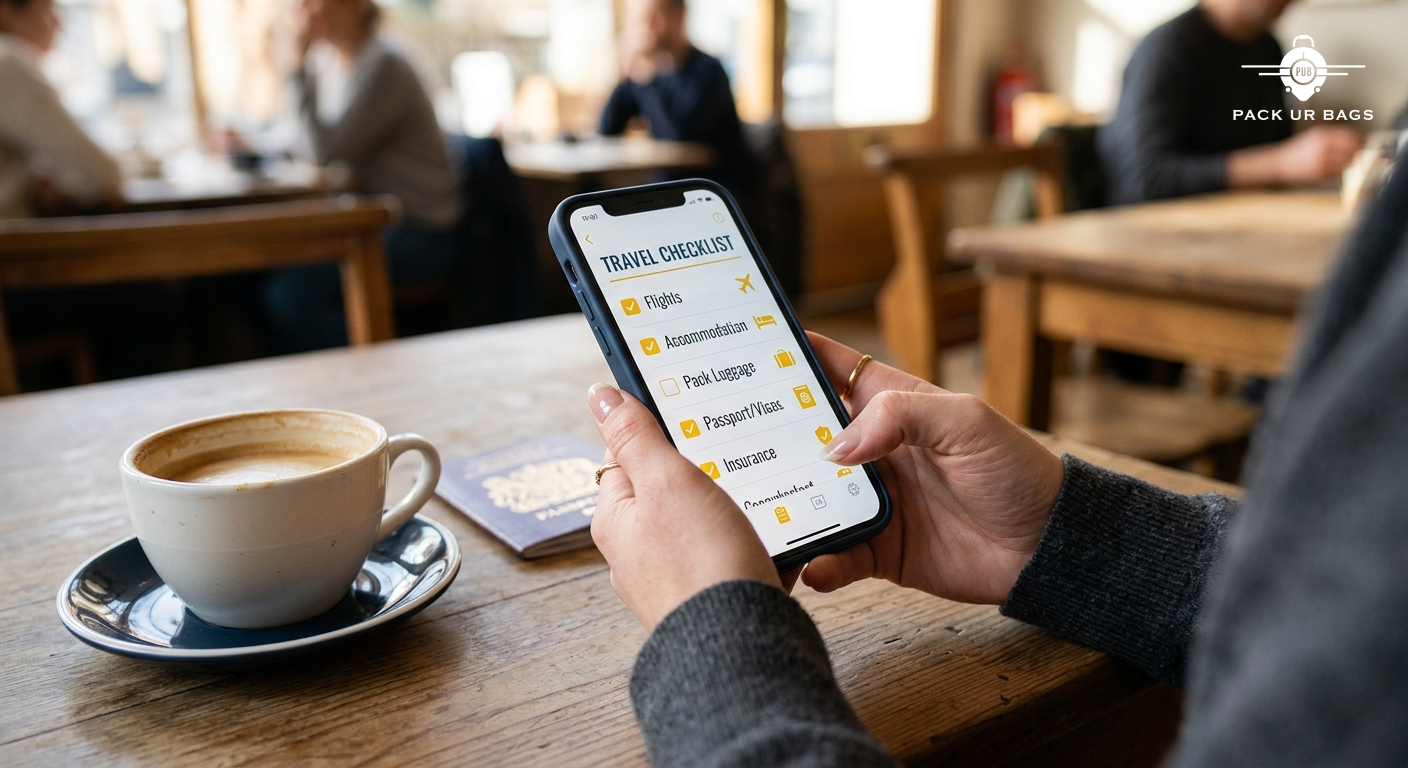
Travel insurance typically costs ₹800-₹2,500 for a week-long international trip, depending on your destination and coverage. For that, you get medical coverage up to ₹10-50 lakhs, trip cancellation protection, baggage loss coverage, and sometimes even coverage for missed connections. It’s not a luxury. It’s a basic part of your pre-trip planning checklist.
But here’s the part most people miss: you need to buy travel insurance before something goes wrong, not after. If you’re already at the airport and you suddenly think “maybe I should get insurance,” it’s too late. Most policies need to be purchased at least 24-48 hours before departure. And if you’re traveling to a country where medical care is expensive — USA, Europe, Australia — don’t even think about skipping this. The risk is just not worth it.
Ignoring the Fine Print on Hotel Bookings
You found a beautiful resort in Phuket for ₹3,500 a night. Incredible deal. You book it immediately. Then you arrive and discover the beach is 45 minutes away, breakfast isn’t included, and the “free airport transfer” only applies if you’re staying seven nights or more.
Online travel platforms are fantastic for comparing prices, but they’re also masterful at hiding the details that matter. At Pack Ur Bags, we spend a lot of time reading the fine print so our clients don’t have to. And we’ve learned that “non-refundable” really does mean non-refundable, even if your flight gets cancelled. “Free cancellation until 24 hours before check-in” actually means 24 hours before the property’s local time, not Indian time. And “city center location” in some destinations means a 30-minute metro ride.
Always check these specific things before confirming any hotel booking: the exact cancellation policy, what’s included in the room rate (breakfast, taxes, Wi-Fi, airport transfer), how far the property actually is from the places you want to visit, and what the reviews say about cleanliness and service. Don’t just read the star rating and move on. A 4-star hotel in Bali is not the same as a 4-star hotel in Dubai. Standards vary wildly by country.
And here’s a common trap: booking a hotel that’s far from the city center because it’s cheaper, then spending more on daily transport than you saved on accommodation. We’ve seen Bangalore families book a resort 40 km outside Bangkok to save ₹2,000 a night, then spend ₹3,000 daily on taxis getting into the city. Calculate the total cost, including transport and time, before you commit.
One more thing nobody tells you: hotel booking platforms often show prices before taxes. The final amount at checkout can be 15-25% higher once local taxes, service charges, and resort fees get added. Always go all the way to the final payment page to see the real price before you compare options.
Packing Like You’re Going to Another Indian City
You’re flying to Singapore, so you pack like you’re flying to Chennai. Light clothes, sandals, one jacket just in case. Then you step into the airport or a shopping mall and the air conditioning nearly freezes you. Or you’re in Europe in April, assuming it’ll be warm because it’s spring, and you land in 8-degree weather with nothing but a hoodie.
Packing for international travel isn’t the same as packing for domestic trips. Climates vary wildly, even within the same season. Dubai in summer is 45 degrees. London in summer is 20. Both are “summer,” but you need completely different wardrobes. And even in tropical destinations like Bali or Phuket, indoor spaces — restaurants, malls, hotels — run their air conditioning so cold you’ll want a light jacket or shawl.
Here’s what we tell every traveler we work with at Pack Ur Bags: check the actual weather forecast for your destination two days before you pack, not two weeks before. Weather changes. Also check the cultural dress codes. Some countries require you to cover your shoulders and knees when entering temples or religious sites. If you show up in shorts and a tank top, you’ll either get turned away or have to rent overpriced cover-ups at the entrance.
Medications are the other big packing mistake. You can’t just buy over-the-counter medicines abroad the way you can in India. A simple painkiller or antacid might require a prescription, or the brands you’re used to might not be available. Carry a small pharmacy: painkillers, antacids, anti-diarrheal tablets, band-aids, any prescription medications you take regularly, and a copy of your prescriptions in case customs asks. And carry them in your cabin baggage, not checked luggage. Lost baggage happens more often than you think.
Adapters and chargers are another common miss. Your Indian plugs won’t fit sockets in most countries. Buy a universal travel adapter before you leave — they cost ₹500-800 in Bangalore and will save you from overpaying at airport shops abroad. Also carry a portable charger. You’ll be using your phone constantly for maps, photos, and bookings. It’ll die faster than you expect.
Forgetting to Inform Your Bank About Travel Dates
Your card gets blocked in Dubai. You’re standing at a restaurant, card declined, no idea why. You call your bank. “Sir, we noticed suspicious activity on your card — multiple foreign transactions — so we blocked it for your safety.”
This happens all the time. Indian banks have aggressive fraud detection systems. The moment your card is used in a foreign country, especially if you’ve never used it abroad before, the system flags it as potentially stolen. Within hours, sometimes minutes, your card is frozen. You’re stuck abroad with no access to your money until you can reach customer service, verify your identity, and get the block removed — which can take anywhere from a few hours to a full day.
The fix is absurdly simple, but almost nobody does it. Call your bank 3-5 days before departure. Tell them your exact travel dates and the countries you’ll be visiting. They’ll note it in your account. When transactions appear from those locations during those dates, the system knows it’s you, not fraud. Your card works smoothly. No panic, no declined payments, no wasted time on international customer service calls.
This applies to both debit and credit cards. Inform every bank whose card you’re carrying. It takes five minutes per call and saves you from one of the most frustrating and avoidable problems travelers face abroad.
At Pack Ur Bags, based in Sarjapur, Bangalore, we’ve been helping travelers avoid these exact mistakes for years now. Our approach isn’t to hand you a generic package and wish you luck. It’s to walk through every detail of your international travel planning — from visa assistance to hotel bookings, from packing advice to on-ground support — so that by the time you board that flight, you’ve genuinely thought through everything that could go wrong and fixed it before it becomes a problem. We’ve seen what happens when planning is rushed, details are skipped, and assumptions fill the gaps. It’s stressful, expensive, and completely unnecessary.
Frequently Asked Questions
How early should I start planning my first international trip?
Start at least 60-90 days before your travel date. This gives you enough time to apply for visas, compare flight and hotel options, enable international transactions on your cards, buy travel insurance, and handle any document delays or visa queries without panic. For complex destinations like Europe or the USA, start 90-120 days ahead.
Is travel insurance really necessary for short trips to nearby countries?
Yes. Even for a weekend trip to Thailand or a quick Dubai visit, travel insurance is essential. Medical emergencies, flight cancellations, and baggage loss can happen anywhere. A basic policy costs ₹800-1,500 for short trips and covers you for medical expenses up to ₹10-15 lakhs, which is far more than most people can afford to pay out of pocket abroad.
What documents should I carry in addition to my passport and visa?
Carry printed copies of your flight tickets, hotel bookings, travel insurance policy, a copy of your passport’s first and last page, your visa approval if applicable, your bank’s international customer care number, and a list of emergency contacts. Also carry any prescription medications with a copy of the prescription, and your travel itinerary from your travel agent if you’re using one.
Should I exchange currency in India or abroad?
Exchange a small amount in India before departure — enough for your first day’s transport, food, and emergencies (around $50-100 depending on your destination). Once you land, withdraw cash from ATMs at the airport or city, which usually offer better exchange rates than currency exchange counters. Inform your bank beforehand to avoid your card getting blocked during foreign ATM withdrawals.
Ready to Plan Your Next International Trip Without the Stress?
You don’t have to figure this out alone. At Pack Ur Bags, we handle the entire process — from visa assistance and flight bookings to personalized itineraries and 24/7 on-ground support — so you can actually enjoy your holiday instead of worrying whether you’ve missed something critical. We’re based in Sarjapur, Bangalore, and we’ve been planning stress-free international holidays for Bangalore travelers for years. Whether it’s your first trip abroad or your tenth, we make sure every detail is sorted before you leave. Call us at +91-9150017657 or visit us at J S Complex, Sarjapur-Attibele Road. Let’s plan your next holiday the right way.