
Your first international trip shouldn’t drain your savings account. But here’s what happens: you browse packages online, get overwhelmed by visa requirements, second-guess every destination choice, and end up either overspending or not booking at all. We’ve watched dozens of Bangalore travelers fall into this exact pattern over the years at Pack Ur Bags.
The truth is, going abroad for the first time doesn’t require a massive budget or months of planning anxiety. It requires knowing where your money actually goes, which destinations give you more value per rupee spent, and how to avoid the hidden costs that catch first-timers off guard. Let’s walk through what actually works when you’re planning that first stamp in your passport.
Pick Your Destination Based on Total Trip Cost, Not Just Flight Price
Cheap flights don’t mean cheap trips. That ₹15,000 flight to Europe sounds tempting until you realize you’re spending ₹8,000 per night on basic accommodation and ₹2,500 on every meal. We’ve had clients burn through ₹2 lakh in a week doing exactly this.
Start with destinations where your rupee stretches further once you land. Thailand, Vietnam, and Bali consistently deliver better value than Dubai or Singapore for first-time travelers from Bangalore. You’re looking at ₹3,000-4,500 per night for decent hotels in Bangkok versus ₹8,000-12,000 in Dubai for comparable quality. Street food in Vietnam costs ₹150-300 per meal. In Europe, you’re rarely eating for under ₹1,200.
The Maldives looks expensive on paper, but if you’re honeymooning, the all-inclusive resorts often work out cheaper than paying separately for every activity and meal elsewhere. We’ve planned Maldives trips for Bangalore couples that cost less overall than their initial Europe plans once we broke down the real daily spend.
Here’s the pattern we see: travelers pick a destination, then try to make their budget fit. Flip that. Decide your total budget first, then choose where that money goes furthest. If you’ve got ₹80,000 for a week-long trip for two, Southeast Asia gives you comfort and experiences. That same budget in Switzerland gets you basic accommodation and not much else.
Malaysia offers another smart entry point. Direct flights from Bangalore, no major time zone shock, familiar food options for cautious eaters, and costs that sit comfortably between India and Western destinations. It’s not the most exciting recommendation, but it builds confidence for bigger trips later.
Book Flights Three Months Out, Not Six
Everyone tells you to book international flights six months early. That advice is outdated for most Bangalore routes. Airlines adjust pricing based on demand patterns, and booking too early often means paying premium rates before any sales kick in.
The sweet spot for Southeast Asia flights from Bangalore sits around 75-90 days before departure. We’ve tracked this across hundreds of bookings. You’ll catch the early sales without paying the ultra-advance premium. Europe needs longer lead time, closer to four months, but still not six.
Watch for airline sales between January and March for travel later that year. AirAsia, Thai Airways, and Malaysia Airlines run predictable sale cycles. Sign up for fare alerts on Google Flights or Skyscanner specifically for your departure city. Set alerts for flexible dates, not specific ones, if your schedule allows movement.
Connecting flights save money but cost time. That ₹8,000 cheaper ticket with a nine-hour layover in Kuala Lumpur sounds fine until you’re actually sitting in the airport. We recommend direct flights for first-timers, even if they cost ₹6,000-10,000 more. Your trip has limited days. Don’t spend them in transit lounges.
One mistake we’ve seen repeatedly: booking the cheapest flight without checking baggage allowance. You save ₹4,000 on the ticket, then pay ₹6,000 at the airport for checked bags you didn’t realize weren’t included. Read the fare rules. Budget airlines charge for everything.
Get Your Visa Sorted Early, But Don’t Overpay Agents
Visa anxiety stops more first-time trips than budget concerns. The process looks complicated because most information online is outdated or applies to different passport types. For Bangalore travelers, here’s what actually matters.
Thailand offers visa on arrival for Indian passport holders for stays under 15 days. You’ll pay around ₹2,300 at the airport. Simple. But if you’re staying longer or want to skip the airport queue, apply for a tourist visa before you leave through VFS Global in Bangalore. Costs ₹2,500-3,000 and takes about five working days.
Vietnam requires a visa, but you can do it entirely online now through their e-visa system. Costs around $25 and processes in three business days. You don’t need an agent for this. The official government portal works fine if you follow instructions carefully.
Dubai needs a visa sponsored by your hotel or a tour operator. This is where working with someone like Pack Ur Bags makes sense because we process these daily and know exactly which documents immigration wants. A rejected application wastes time and money. Hotel-sponsored visas cost ₹3,000-5,000 depending on processing speed. Agent markup shouldn’t be more than ₹1,500-2,000 on top.
Schengen visas for Europe are the most complex and expensive for first-time international travel. Budget ₹7,000-8,000 for the visa itself, plus VFS fees and service charges. You’ll need travel insurance, confirmed hotel bookings, bank statements showing specific minimum balances, and a detailed itinerary. This isn’t a DIY project for most people. The rejection rate for first-time applicants who go alone is higher than it should be.
Singapore offers a straightforward e-visa, but it must be applied through a registered agent. Can’t do it yourself. Costs around ₹2,000-2,500 including agent fees. Processing takes three to five days.
Keep your passport validity in mind. Most countries need six months remaining from your travel date. We’ve had clients show up at our Sarjapur office two weeks before their trip with passports expiring in four months. That’s a cancelled trip or an emergency tatkal passport renewal that costs extra and adds stress.
Budget ₹12,000-18,000 Per Person for Accommodation Per Week
Hotel costs eat up the biggest chunk of your budget after flights. This is where first-timers either overspend on brands they recognize or underspend and regret it.
For Southeast Asian destinations, budget ₹3,500-5,000 per night for comfortable three-star hotels in central locations. That gets you clean rooms, decent breakfast, helpful staff, and proximity to major attractions. Going cheaper, say ₹2,000-2,500 per night, often means distant locations or skipping basic comforts that matter when you’re jet-lagged and navigating a new city.
Don’t book the cheapest option on booking sites. Read recent reviews, specifically looking for comments about location, cleanliness, and staff responsiveness. A hotel that’s ₹1,500 cheaper but requires ₹800 daily in taxi rides isn’t saving you money.
Homestays and Airbnbs work well for longer stays or if you’re travelling as a family. You get kitchens, more space, and lower per-night costs for week-long bookings. But factor in that you lose daily housekeeping, front-desk support, and the buffet breakfast that often saves you ₹500-800 on morning meals.
For Dubai, budget higher: ₹6,000-9,000 per night for mid-range hotels. The city’s expensive. Beach resorts cost more than city hotels. If beaches matter, factor that into your destination choice rather than compromising on a hotel far from what you actually want to see.
Maldives operates differently. You’re booking a resort, not a hotel. All-inclusive packages that seem expensive, around ₹25,000-35,000 per night for two, often include meals, water sports, and transfers. Calculate what you’d spend on those separately. The math usually works in favour of all-inclusive for four or five-night stays.
Location matters more than star ratings. A well-located three-star hotel beats a distant four-star property every time for first-time international travel. You’ll save on transport, waste less time commuting, and feel more confident exploring on foot.
Plan ₹2,500-4,000 Daily for Food and Local Transport
Food costs catch people off guard. You’re hungry more often than you think when you’re walking around a new city all day.
In Thailand, street food and local restaurants cost ₹150-400 per meal. Tourist-area restaurants run ₹600-1,200. Western food costs more everywhere. A breakfast you’d pay ₹300 for in Bangalore costs ₹800 in Bangkok if you’re ordering eggs and toast at a hotel restaurant. Eat local. It’s cheaper, better, and part of why you’re travelling.
Vietnam’s even more affordable. Budget ₹200-500 per meal at local spots. A bowl of pho costs around ₹120-180. Sit-down restaurants with English menus charge ₹500-900 for mains.
Dubai flips this entirely. Meals start at ₹800-1,000 for basic restaurants and climb fast. Budget ₹2,500-3,500 per person daily for three meals unless you’re eating exclusively at food courts and fast food. We’ve watched food costs derail budgets in Dubai more than anywhere else.
Local transport adds up quietly. Taxis in Bangkok for short rides cost ₹100-250. The BTS Skytrain is cheaper, around ₹30-80 per trip, but you’ll take multiple trips daily. Budget ₹500-800 daily per person for local getting around in Southeast Asia. In Dubai, that number doubles. The Metro helps, but taxis to malls and beaches cost ₹600-1,200 per ride.
Grab and Gojek work across Southeast Asia. Download them before you arrive. Prices show upfront in the app, which removes the stress of negotiating or wondering if you’re being overcharged. We tell every Bangalore traveler to set these up with an international roaming plan or local SIM.
Skip the airport taxis unless you’re landing late at night. Pre-book airport transfers or use app-based rides. You’ll save ₹500-1,200 per trip depending on the destination. Pack Ur Bags includes airport transfers in most packages because we’ve seen too many trips start badly with overpriced airport taxi fights.
Don’t Skip Travel Insurance, But Don’t Overpay Either
Most first-timers skip travel insurance or buy whatever the visa application center pushes. Both are mistakes.
Travel insurance should cover medical emergencies, trip cancellations, and lost baggage. Medical coverage matters most. A hospital visit in Thailand or Singapore for something minor like food poisoning or a sprained ankle costs ₹15,000-40,000 out of pocket. Insurance covering up to $50,000 in medical expenses costs around ₹500-800 per person for a week-long trip.
Schengen visa applications require proof of insurance with minimum €30,000 coverage. Don’t buy this at the VFS counter. It’s marked up. Get it online from providers like ICICI Lombard, Bajaj Allianz, or Digit before your appointment. Costs ₹800-1,500 for a two-week Europe trip.
Check if your credit card offers complimentary travel insurance. Some premium cards include it when you book flights using that card. Read the coverage details. Many only cover flight delays and lost baggage, not medical emergencies.
Trip cancellation coverage makes sense if you’re booking expensive non-refundable hotels or tours. It adds ₹300-600 to your premium but protects ₹80,000-1,50,000 in bookings if you need to cancel for medical or family emergencies.
Carry Dollars or Euros, Not Just Cards
Card acceptance is widespread, but not universal. Carry some physical currency.
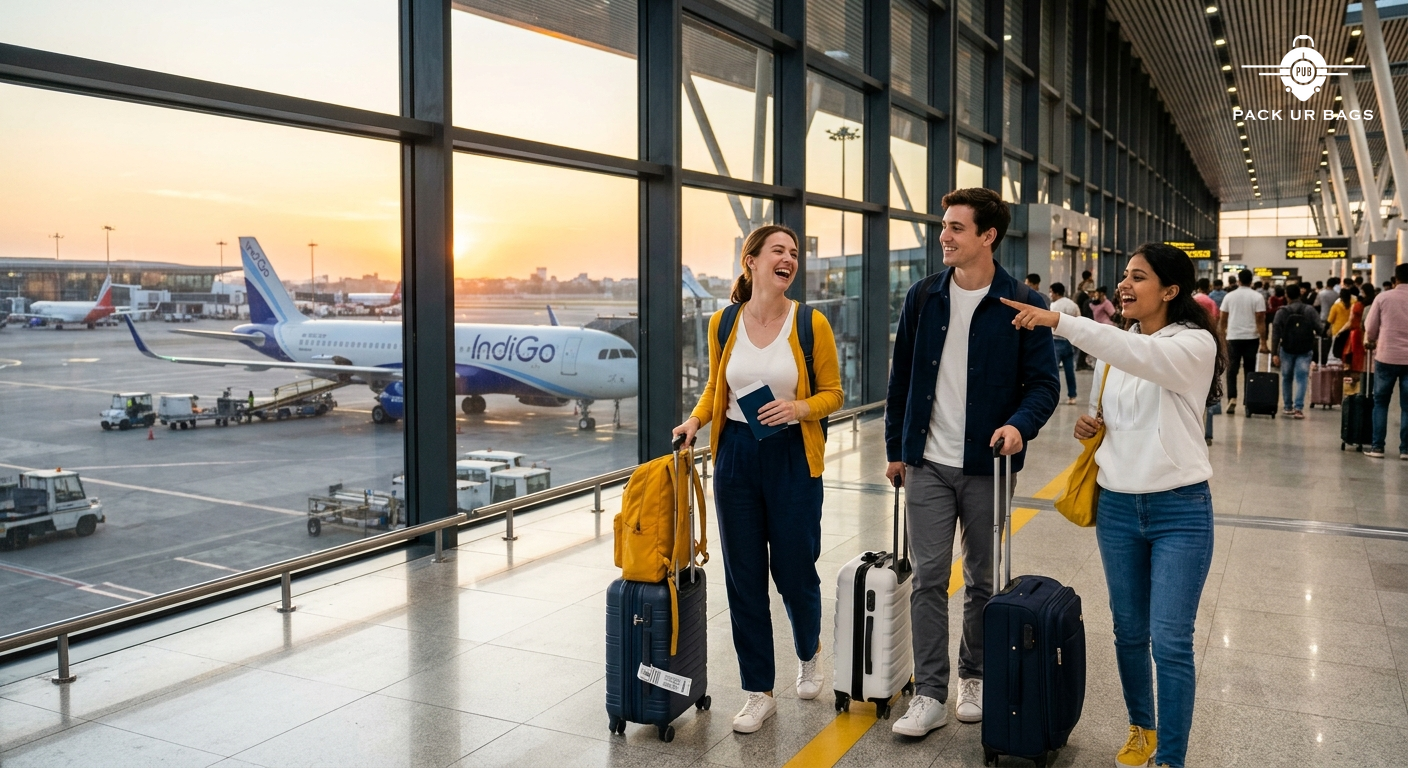
For Thailand, Vietnam, and Bali, get US dollars before you leave Bangalore and exchange them locally on arrival. You’ll get better rates than exchanging INR directly or withdrawing from ATMs with international transaction fees. Carry $200-300 per person for a week-long trip. Exchange half on arrival for immediate needs. Keep the rest for mid-trip exchanges as you need local currency.
ATMs charge ₹200-350 per withdrawal in foreign transaction fees plus a percentage markup. If you withdraw ₹10,000 worth of local currency, you’re paying ₹500-800 in fees. Do the math before pulling cash repeatedly.
Dubai works fine on cards everywhere, but keep ₹5,000-8,000 worth of dirhams for taxis and small purchases. Europe needs euros, and you’ll want ₹15,000-20,000 in cash for a week since many smaller shops and restaurants don’t accept cards.
Inform your bank before you travel. Fraud alerts block international transactions regularly. A quick call or app notification to whitelist your destination saves you from declined cards at dinner.
Forex cards work but aren’t always cheaper. Compare the exchange rate markup on forex cards versus withdrawing from ATMs with a low-fee bank card. ICICI and HDFC charge around 3-3.5% markup on forex cards. Some banks charge less on international debit card usage if you’ve got the right account type.
Book Activities After You Arrive, Not Months Before
Tour packages and activity bookings look tempting when you’re planning from home. Most are overpriced.
Island hopping tours in Thailand that cost ₹4,500 when booked online from India cost ₹2,500-3,200 when booked through local tour operators after you land. The tours are identical. You’re paying a markup for advance booking convenience that you don’t actually need.
Research what you want to do, but book locally unless it’s something that genuinely sells out. Safari tours in specific parks or popular dinner cruises might need advance booking. Walking around Bangkok’s markets or renting a scooter in Bali doesn’t.
Free walking tours run in most major tourist cities. You pay tips at the end based on what you thought the tour was worth. Budget ₹300-800 per person. They’re often better than paid tours because the guides work for tips, not fixed fees.
Skip the hop-on-hop-off buses. They cost ₹1,500-2,500 per person and cover routes you can do cheaper and faster using local transport and Google Maps. First-timers buy them thinking they’ll provide structure. You end up sitting in traffic seeing things you could’ve walked to.
Book one or two key experiences in advance if they’re central to why you chose that destination. Everything else can wait till you’re there and have a feel for what you actually want to do versus what sounded good on a blog.
Pack Light, But Don’t Skip the Essentials
Checked baggage fees and overweight charges cost more than the extra clothes are worth.
Most airlines allow 7 kg cabin baggage and 15-20 kg checked baggage on economy international tickets. That’s enough for a week if you pack smart. Roll clothes instead of folding. Wear your bulkiest shoes on the flight. Limit yourself to three pairs of shoes total.
Carry a small medical kit: basic pain relievers, anti-diarrheal tablets, band-aids, and any prescription medications in original packaging. Pharmacies abroad stock everything you need, but hunting for a pharmacy when you’ve got a headache in a new city isn’t fun.
Universal adapters cost ₹300-600 in Bangalore. Buy one before you leave. Hotel front desks lend adapters, but you’re stuck charging devices in the lobby if they run out.
Portable chargers save you during long day trips. Budget ₹1,200-2,000 for a decent 10,000-20,000 mAh power bank. Check airline rules. Most allow power banks in cabin baggage up to 27,000 mAh.
Don’t pack every outfit you think you might want. You’ll wear the same three comfortable things repeatedly. Carry laundry detergent sachets or plan one hotel laundry service mid-trip if you’re travelling longer than five days.
Work with a Travel Partner Who’s Done This Before
Planning your first international trip from Google searches and blogs burns time and increases mistakes. Visa rejections, bad hotel locations, missed connections, unclear costs — these aren’t just inconveniences, they’re expensive fixes.
Pack Ur Bags works with first-time travelers from Bangalore weekly. We’ve handled the visa paperwork that confuses people, negotiated hotel rates that individuals can’t access, and built itineraries that balance your budget against what you actually want to experience.
Here’s what changes when you’re working with someone who does this daily: you’ll know your total trip cost upfront, visa applications get submitted correctly the first time, hotels are vetted for location and quality, and if something goes wrong during your trip, you’ve got support that answers calls. We’re reachable at +91-9150017657 when plans change or questions come up.
Customized planning doesn’t mean expensive. It means your ₹1,20,000 budget gets spent on what matters to you instead of generic package items you didn’t want. Some clients care about food experiences. Others want adventure activities. A few just want comfortable hotels and simple sightseeing. The itinerary should reflect that, not a template.
The stress reduction alone is worth it. First-time international travel comes with enough natural anxiety about flights, foreign cities, and new experiences. Planning shouldn’t add to that.
Frequently Asked Questions
What’s the cheapest country for first-time international travel from Bangalore?
Thailand and Vietnam consistently offer the lowest total trip costs from Bangalore, with week-long trips possible for ₹55,000-75,000 per person including flights, hotels, food, and activities. These destinations combine affordable flights, low daily expenses, and simple visa processes that work well for first-timers.
How much money should I carry for a week-long international trip?
Carry $200-300 in physical currency per person for Southeast Asian destinations, or €150-200 for Europe, plus keep ₹15,000-20,000 accessible via cards for other expenses. Total budget for a week varies by destination: Thailand and Vietnam need ₹60,000-80,000 per person, while Dubai or Europe require ₹1,20,000-1,80,000 per person for comparable comfort levels.
Do I need a travel agent for my first international trip?
You don’t strictly need one, but working with a travel partner like Pack Ur Bags significantly reduces visa mistakes, helps avoid overpriced hotels in bad locations, and provides support when problems arise abroad. For complex destinations like Europe with Schengen visas, or if you want customized planning that fits your specific budget and interests, the expertise saves more money than it costs.
When should I book international flights from Bangalore?
Book Southeast Asia flights 75-90 days before departure and Europe flights around 120 days out for optimal pricing. Watch for airline sales between January and March, and set fare alerts on Google Flights or Skyscanner for flexible date searches to catch price drops.
Ready to Book That First International Trip?
Your first stamp in your passport doesn’t require perfect planning or an unlimited budget. It requires knowing where your money goes, choosing destinations that match your budget reality, and having support when you need questions answered.
Pack Ur Bags specializes in stress-free travel planning for Bangalore travelers taking their first international trips. We handle visa applications, customize itineraries to your actual interests and budget, and stay available throughout your journey. Visit us at Sarjapur or call +91-9150017657 to start planning a trip that fits what you want to spend and experience.
Stop researching and start booking. The longer you wait for perfect information, the longer you’re not travelling.