
You’ve seen the photos. Snow-covered valleys, frozen lakes, skiers carving down white slopes. The best places to visit in Kashmir in winter look like something out of a dream. But here’s what most first-time travelers don’t realize until they’re already there: winter in Kashmir isn’t just about where you go — it’s about when you go, what you pack, and how you plan your days around weather that changes faster than your itinerary.
At Pack Ur Bags, we’ve sent dozens of Bangalore travelers to Kashmir during the winter months over the past few years. Some came back raving about snowfall in Gulmarg. Others came back frustrated because they picked the wrong week, got stuck in their hotel, and missed half their planned activities. The difference? Knowing which places actually work in winter and which ones shut down or become inaccessible.
This guide walks you through the best winter destinations in Kashmir, what to expect at each one, and how to plan your trip so you actually enjoy the cold instead of fighting it. Let’s start with the one question everyone asks first.
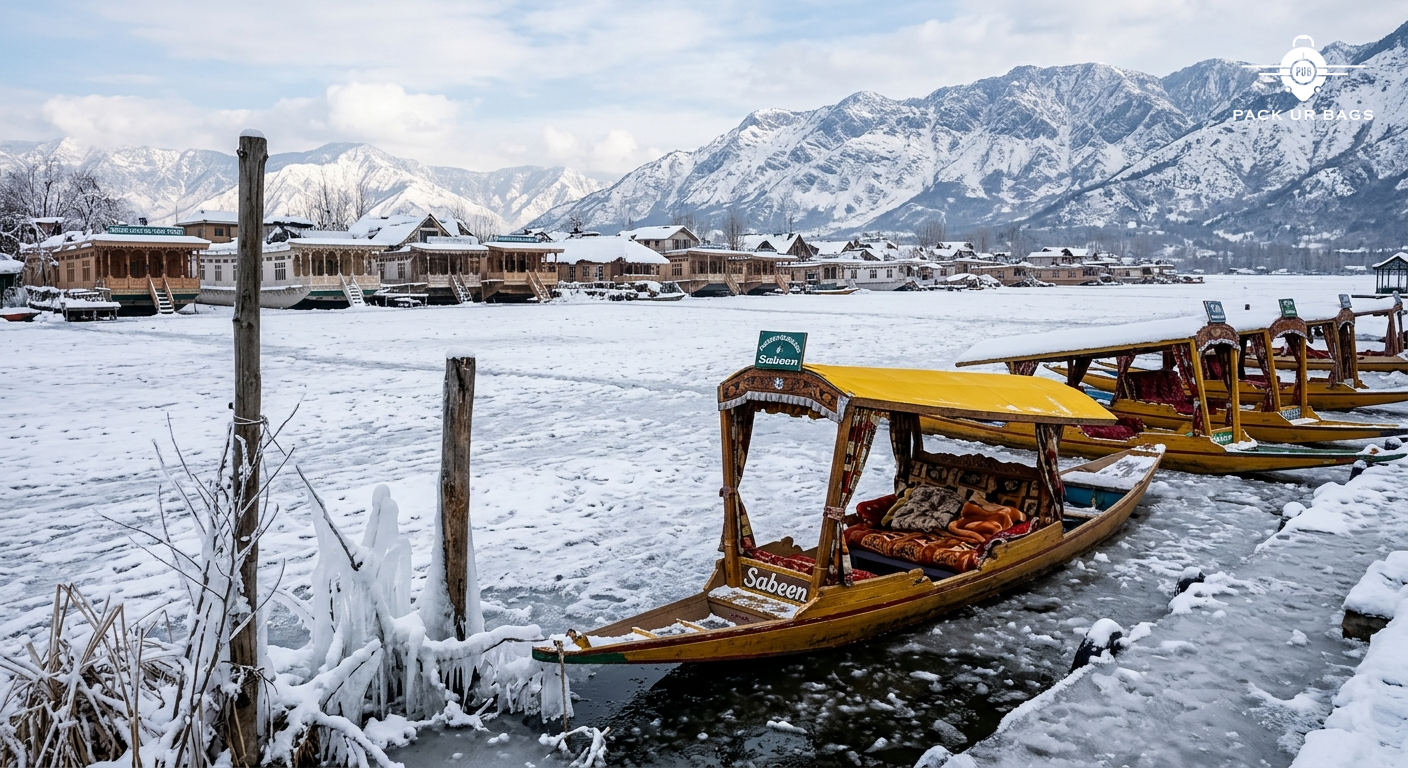
When Is the Best Time to Visit Kashmir in Winter? Discover the Best Places to Visit in Kashmir in Winter
Winter in Kashmir runs from December through February. But not all winter weeks are equal.
December is unpredictable. You might get fresh snowfall, or you might get clear skies and frozen ground. It’s colder than most Bangalore travelers expect — temperatures drop to minus 2 to minus 8 degrees Celsius — but roads are usually open and tourist infrastructure is fully operational. If you’re hoping for snow, December is a gamble.
January is peak winter. Heavy snowfall, frozen Dal Lake, white landscapes everywhere you look. It’s also when Gulmarg gets the best snow for skiing. But here’s the trade-off: roads to smaller towns can close for days after a heavy snowfall. If you’re booking a Kashmir winter tour package, January gives you the full winter experience, but you need buffer days in your itinerary.
February starts warming up slightly. By late February, snow starts melting in lower-altitude areas like Srinagar, but Gulmarg and Pahalgam still stay covered. This is when we recommend Kashmir for travelers who want winter scenery without extreme cold or the risk of being snowed in.
One pattern we’ve noticed with our clients: those who visit in the first two weeks of January get the most dramatic snowfall photos, but they also face the most travel delays. Those who go in late February get easier logistics and still see plenty of snow at higher altitudes. Pick based on what matters more to you — the postcard-perfect snow or the smoother travel experience.
Gulmarg: The Winter Capital of Kashmir
If you visit only one place during your Kashmir winter trip, make it Gulmarg. This isn’t just a recommendation. It’s what every single client who’s been there tells us afterward.
Gulmarg sits at about 2,650 meters above sea level, and in winter, it transforms into one of Asia’s top skiing destinations. Even if you’ve never skied before, you’re here for the snow and the Gulmarg Gondola — one of the highest cable cars in the world. The gondola takes you up to Apharwat Peak, where you’ll see snow-covered mountains stretching in every direction. The ride itself is split into two phases. Phase one takes you to Kongdoori Mountain. Phase two goes higher to Apharwat, but it only runs when weather permits.
Here’s what most guides don’t tell you: phase two gets canceled often in January due to high winds. If you’re counting on reaching the very top, go in late December or early February when weather is slightly more stable. We’ve had clients reach Srinagar in mid-January, spend two days waiting for phase two to open, and finally give up. That’s not a planning failure — that’s just winter in the mountains.
Gulmarg also offers skiing and snowboarding lessons. If you’ve never tried skiing, this is one of the more affordable places in India to learn. Instructors are available near the gondola base, and gear rental is straightforward. Expect to pay around INR 1,500 to INR 2,500 for a beginner lesson with equipment included. Don’t expect Swiss Alps-level instruction, but for a first-time experience, it works.
Stay at least two nights in Gulmarg. One day for the gondola and snow activities, one day as a buffer in case weather delays your plans. Most hotels here are basic but functional. The Hotel Highlands Park and Heevan Retreat are reliable mid-range options that stay open all winter.
One honest warning: Gulmarg in winter isn’t for travelers who hate cold. You’re spending hours outdoors in sub-zero temperatures. If you’re not prepared with proper jackets, gloves, and layered clothing, you’ll spend your day miserable instead of enjoying the snow.
Srinagar: Your Winter Base and Gateway
Srinagar is where most Kashmir winter itineraries start, and for good reason. It’s the most accessible city, it has the best hotel options, and it’s your base for day trips to Gulmarg and Pahalgam.
Winter in Srinagar is a different experience than summer. Dal Lake partially freezes over. Shikaras still operate, but you’re gliding past chunks of ice instead of blooming lotus flowers. The experience is quieter, more stark, and honestly, more memorable if you’re not expecting the usual houseboat-on-a-sunny-lake postcard.
Staying on a houseboat in winter is possible, but it’s cold. Most houseboats have bukhari heaters — traditional wood-burning stoves — but they don’t heat the entire boat. You’ll be warm in the main sitting area, freezing in the bedroom. If you want the houseboat experience, book one night for the novelty, then move to a hotel with proper heating for the rest of your stay. The Lalit Grand Palace and Vivanta Dal View are solid options if you want reliable warmth and hot water.
One activity that works beautifully in winter: walking through the Mughal Gardens. Nishat Bagh and Shalimar Bagh are nearly empty in January and February. The fountains are often turned off, but the snow-dusted terraces and mountain views make up for it. Go early in the morning when the light is soft and you’ll likely have the gardens to yourself.
Srinagar is also where you’ll stock up on supplies for the rest of your trip. Lal Chowk and Residency Road have gear shops where you can buy or rent winter jackets, gloves, and snow boots if you didn’t bring your own. Don’t skip this. Bangalore travelers consistently underestimate how cold Kashmir gets, and proper gear makes the difference between enjoying your trip and enduring it.
Pahalgam: Snow-Covered Valleys and Quiet Trails
Pahalgam is quieter than Gulmarg and less touristy than Srinagar. It’s where you go if you want snow without the crowds.
Located about 95 kilometers from Srinagar, Pahalgam sits along the Lidder River and is surrounded by pine forests and meadows that turn completely white in winter. The drive from Srinagar takes around two and a half hours in good conditions, longer if it snowed recently. The route passes through saffron fields and small villages — bring your camera for the ride.
In winter, the main activities in Pahalgam are snow walks and photography. Betaab Valley and Aru Valley are the two most popular day-trip spots. Both are accessible by car, though you might need a local taxi with snow chains if the roads are icy. Betaab Valley is more developed, with a few small cafes and photo spots. Aru Valley is more remote, with fewer facilities but better views. If you can only pick one, go to Aru — it’s what Pahalgam looked like before tourism took over.
One thing to know: Pahalgam doesn’t have a gondola or ski slopes like Gulmarg. You’re here for the landscape, not the adventure activities. Some hotels offer sledding or short horse rides through the snow, but it’s low-key. If you’re traveling with kids or older family members who can’t handle Gulmarg’s altitude and cold, Pahalgam is the better choice.
Book at least one night in Pahalgam. The Welcomhotel by ITC and Hotel Heevan are the two properties we recommend most often to clients — both have heating that actually works and serve decent food, which matters when you’re stuck indoors after sunset.
A quick logistics note: Pahalgam roads can close after heavy snowfall. If you’re planning a day trip from Srinagar, check road conditions the morning of. We’ve had clients drive halfway, hit a roadblock, and have to turn back. Always have a backup plan.
Sonamarg: The Meadow of Gold Turns White
Sonamarg is about 80 kilometers northeast of Srinagar, and in winter, it’s one of the most beautiful places to visit in Kashmir — if you can reach it.
Here’s the reality: Sonamarg is only accessible in winter on days when the Zoji La Pass is open. The pass closes frequently due to snow, and the road can be risky even when it’s technically open. This isn’t a place you can casually add to your itinerary. You need to check conditions, hire a reliable driver who knows the route, and be prepared to cancel if weather turns.
If you do make it, Sonamarg in winter is stunning. The valley sits at around 2,800 meters, and everything — meadows, rivers, mountains — is buried under snow. The Thajiwas Glacier, which you can trek to in summer, becomes inaccessible in deep winter, but you can still see it from the base. Local ponies are sometimes available for short rides through the snow, though availability depends on conditions.
Most travelers visit Sonamarg as a day trip from Srinagar. There aren’t many hotels in Sonamarg itself, and the ones that exist often close for winter. If you’re determined to stay overnight, confirm with the property directly that they’re open and heated before you book.
One insider tip from our experience: if road conditions are uncertain, skip Sonamarg and spend that day in Doodhpathri instead. It’s closer to Srinagar, easier to access, and almost as scenic. Doodhpathri doesn’t get as much attention, which means fewer tourists and more space to enjoy the snow in peace.
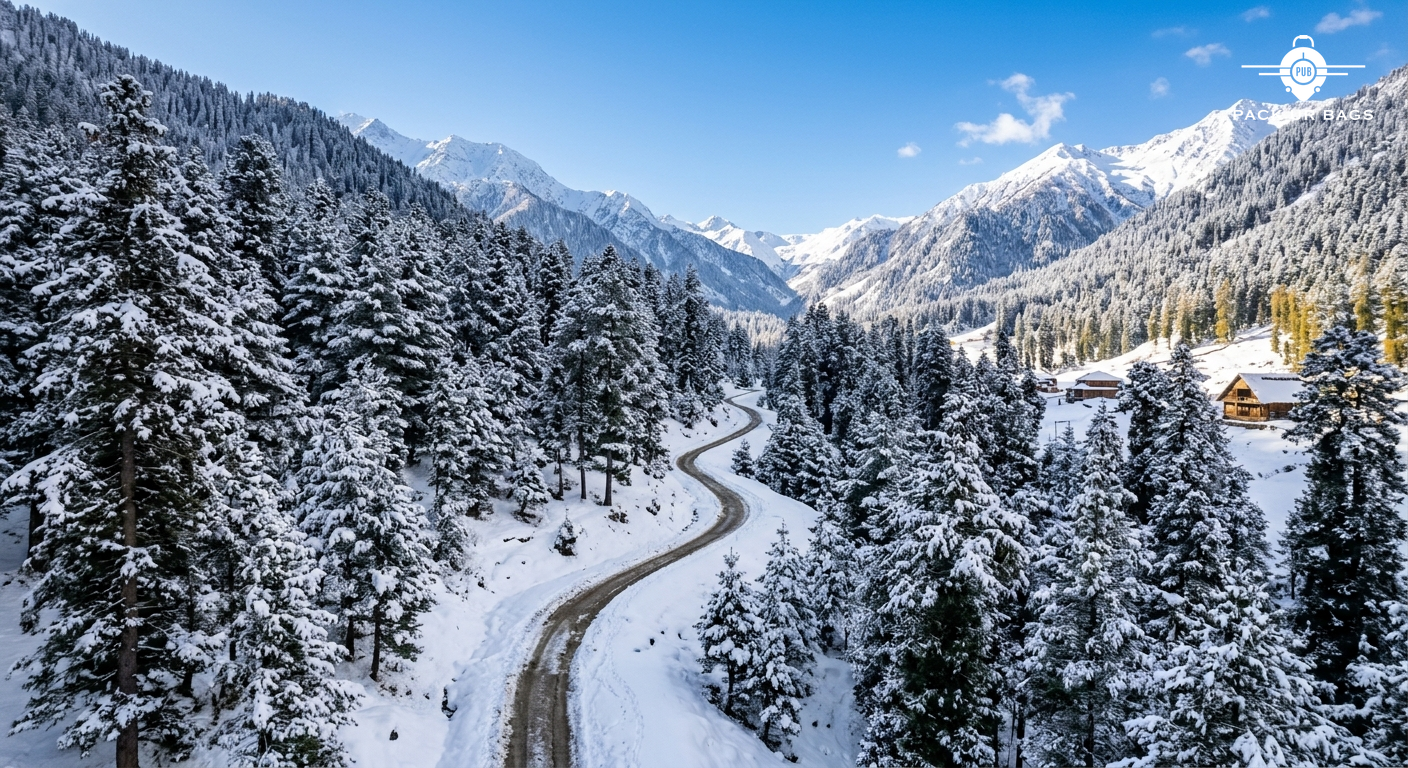
Yusmarg: The Hidden Winter Escape
Most first-time visitors to Kashmir haven’t heard of Yusmarg. That’s exactly why it’s worth visiting.
Yusmarg is a small meadow area about 47 kilometers south of Srinagar, tucked into dense pine forests. In winter, it’s covered in deep snow and almost entirely deserted. No gondolas, no ski resorts, no crowds — just snow, trees, and silence.
You reach Yusmarg by road, and the drive is straightforward compared to Sonamarg. The road stays open most of the winter unless there’s a major snowstorm. Once you arrive, the main activity is walking. There are a few marked trails through the forest, but most visitors just wander and take photos. If you’re traveling with someone who finds Gulmarg too busy or Pahalgam too developed, bring them here.
There’s one small guesthouse in Yusmarg that operates in winter, but don’t expect much. Most travelers visit as a half-day trip from Srinagar. Pack snacks and water — there are no restaurants or shops once you’re in the meadow.
Why we recommend Yusmarg: it’s a test of whether you actually like winter travel or just like the idea of it. If you can spend a few hours in Yusmarg doing nothing but walking in the snow and you enjoy it, you’re going to love the rest of your Kashmir trip. If you’re bored after 20 minutes, you might want to rethink your itinerary and focus on the more activity-heavy spots like Gulmarg.
What to Pack for Kashmir in Winter
This is where most Bangalore travelers get it wrong. Kashmir in winter is not like Ooty or Coorg in December. You’re dealing with sub-zero temperatures, snow, and wind. If you show up with a light jacket and a sweater, you’ll spend your entire trip cold and miserable.
Here’s what you actually need. Start with layering. A thermal inner layer, a fleece or wool mid-layer, and a windproof waterproof outer jacket. Don’t rely on cotton — it holds moisture and makes you colder. Synthetic or wool fabrics are better.
For your legs, thermal leggings under your regular pants work fine. If you’re planning to spend a lot of time in the snow — say, a full day in Gulmarg — consider waterproof trekking pants. Regular jeans get soaking wet in snow and take forever to dry.
Your feet matter more than you think. Bring waterproof boots with good grip. Snow boots are ideal, but sturdy trekking shoes work if they’re insulated. Wear wool socks, and bring extra pairs. Wet socks are one of the fastest ways to ruin a winter trip.
Accessories you can’t skip: gloves, a wool or fleece cap that covers your ears, and a scarf or neck warmer. Sunglasses are also essential — snow reflects sunlight intensely, and you’ll end up squinting all day without them.
One item most people forget: a small backpack with a water bottle, snacks, and a power bank. Your phone battery drains faster in the cold, and you’ll want it for photos. Keep it inside your jacket pocket when you’re not using it.
Don’t buy all this in Bangalore and lug it to Kashmir. Bring basics like thermals and gloves, then rent or buy jackets and boots in Srinagar if needed. Most hotels can also arrange gear rental through local contacts.
How to Plan Your Kashmir Winter Itinerary
You can’t do everything in one trip. Trying to visit Gulmarg, Pahalgam, Sonamarg, and Yusmarg in a five-day trip means you’ll spend more time in a car than actually experiencing anything. Winter travel in Kashmir is slower than summer travel because of weather delays, shorter daylight hours, and road conditions.
Here’s a realistic itinerary structure for a first-time winter visit. Plan for six to seven days minimum. Spend two nights in Srinagar when you arrive — one day to acclimatize and handle any jet lag or travel fatigue, one day to explore the city and gardens. Then move to Gulmarg for two nights. Spend one full day on the gondola and snow activities, and keep the second day flexible in case weather delays your plans.
After Gulmarg, head to Pahalgam for one or two nights depending on your interest level. Use this time to visit Aru Valley or Betaab Valley and relax in a quieter setting. Then return to Srinagar for your final night before flying out.
If you want to add Sonamarg or Yusmarg, replace one of the Pahalgam nights with a day trip from Srinagar. Don’t try to visit both unless you’re staying for eight or more days.
Leave buffer time in your itinerary. If your flight out of Srinagar is on day seven, don’t plan a full-day activity on day six. Weather delays happen. Roads close. Flights get pushed. Build in slack so a delayed plan doesn’t ruin your trip.
One planning mistake we see often: clients book back-to-back activities with no rest days, then halfway through the trip, they’re exhausted and cold and just want to stay in their hotel. Winter travel is physically tiring. Cold drains your energy faster than warm-weather travel. Plan one easy day in the middle of your trip where you’re not rushing anywhere.
Kashmir Winter Tour Packages: Should You Book One?
Most travelers booking Kashmir in winter face the same question: should I plan everything myself, or book a tour package?
Here’s the honest answer. If you’re a first-time visitor, winter makes independent travel harder. Roads are tricky, weather changes fast, and local knowledge matters more than in summer. A well-designed Kashmir winter tour package handles transportation, coordinates activities around weather, and includes a driver who knows which routes are open and which aren’t.
At Pack Ur Bags, we build customized winter packages for Bangalore travelers that include transfers, hotels, sightseeing, and 24/7 support. The advantage isn’t just convenience — it’s flexibility. If your Gulmarg gondola day gets canceled due to wind, we rearrange your itinerary instead of you losing that activity entirely. If Sonamarg road closes, we reroute you to Doodhpathri or Yusmarg without you scrambling to figure out plan B.
That said, packages aren’t for everyone. If you’ve traveled in mountain winters before, you’re comfortable negotiating with drivers, and you want full control over your schedule, independent travel works. Just make sure your hotels are confirmed and heated, you’ve hired a driver who’s done winter routes before, and you’ve bought travel insurance that covers weather delays.
One middle-ground option: book your accommodations and main transfers through a travel agency, but keep your daily activities flexible. This gives you structure without locking you into a rigid itinerary. We offer this setup for clients who want some independence but don’t want to handle logistics from scratch.
The cost difference between booking independently and using a package is smaller in winter than in summer, because fewer hotels and drivers are operating and prices are less negotiable. For a six-day Kashmir winter trip from Bangalore, expect to pay between INR 35,000 and INR 55,000 per person depending on hotel category and group size. That includes flights, hotels, transfers, sightseeing, and permits, but excludes meals and activities like gondola tickets or skiing lessons.
Frequently Asked Questions
Is Kashmir safe to visit in winter?
Yes, Kashmir is safe for tourists in winter. Security isn’t a concern for travelers sticking to the main tourist areas like Srinagar, Gulmarg, and Pahalgam. The bigger challenge is weather — snowstorms, road closures, and cold. Travel with a reliable operator who monitors conditions and can adjust plans if needed.
Can I see snowfall during my Kashmir winter trip?
January has the highest chance of fresh snowfall, especially in Gulmarg and Pahalgam. December and February also get snow, but it’s less predictable. If seeing live snowfall is your main goal, plan your trip for early to mid-January and build in extra days in case you need to wait for it.
What is the temperature in Kashmir during winter?
Srinagar temperatures range from minus 2 to 8 degrees Celsius during the day in winter, dropping lower at night. Gulmarg and Pahalgam are colder, often reaching minus 10 degrees or lower. Wind chill makes it feel even colder. If you’re not used to sub-zero temperatures, prepare yourself mentally and pack accordingly.
Do I need special permits to visit Kashmir in winter?
No special permits are required for Indian nationals visiting Srinagar, Gulmarg, Pahalgam, or Sonamarg in winter. If you’re heading to restricted border areas beyond the main tourist zones, you’ll need permits, but that’s uncommon for first-time visitors. Your travel operator will handle permits if your itinerary requires them.
Let’s Plan Your Kashmir Winter Adventure
Kashmir in winter isn’t for every traveler. It’s cold, it’s unpredictable, and it requires more planning than a beach holiday in Goa. But if you’re prepared for the conditions and you choose the right destinations, it’s one of the most beautiful trips you’ll take from Bangalore.
At Pack Ur Bags, we’ve spent years refining winter itineraries for travelers who want the full Kashmir experience without the stress of managing logistics in sub-zero temperatures. We handle everything from picking the right week to visit based on weather patterns, to booking hotels with reliable heating, to coordinating backup plans when roads close unexpectedly.
If you’re ready to start planning your Kashmir winter tour package, call us at +91-9150017657. We’ll talk through your dates, your budget, and what kind of winter experience you’re hoping for — whether that’s adventure-focused days in Gulmarg or quieter snow walks in Pahalgam. Then we’ll build an itinerary that actually works for winter conditions, not just a summer itinerary with snow added in.
Don’t wait until December to start planning. Winter bookings fill up fast, especially for Gulmarg hotels and reliable drivers who know the mountain routes. Reach out now, and let’s make sure your first Kashmir winter trip is one you’ll want to repeat.