
Planning your first international trip? You’re not alone.
Every year, thousands of Bangalore travelers take that first flight out of India — excited, a little nervous, and often overwhelmed by the sheer number of decisions to make. The good news? International trip planning from Bangalore doesn’t have to be complicated. You just need a clear roadmap, realistic expectations, and someone who’s walked this path before to show you what actually matters.
At Pack Ur Bags, we’ve worked with hundreds of first-time international travelers from Bangalore. We’ve seen what trips work and what goes sideways. We’ve watched people overspend on things that don’t matter and skimp on things that do. We’ve fixed last-minute passport issues, calmed visa anxieties, and rebuilt itineraries when the “perfect plan” fell apart on day two. This guide comes from that experience — not a textbook.
Here’s what you need to know before you book anything.
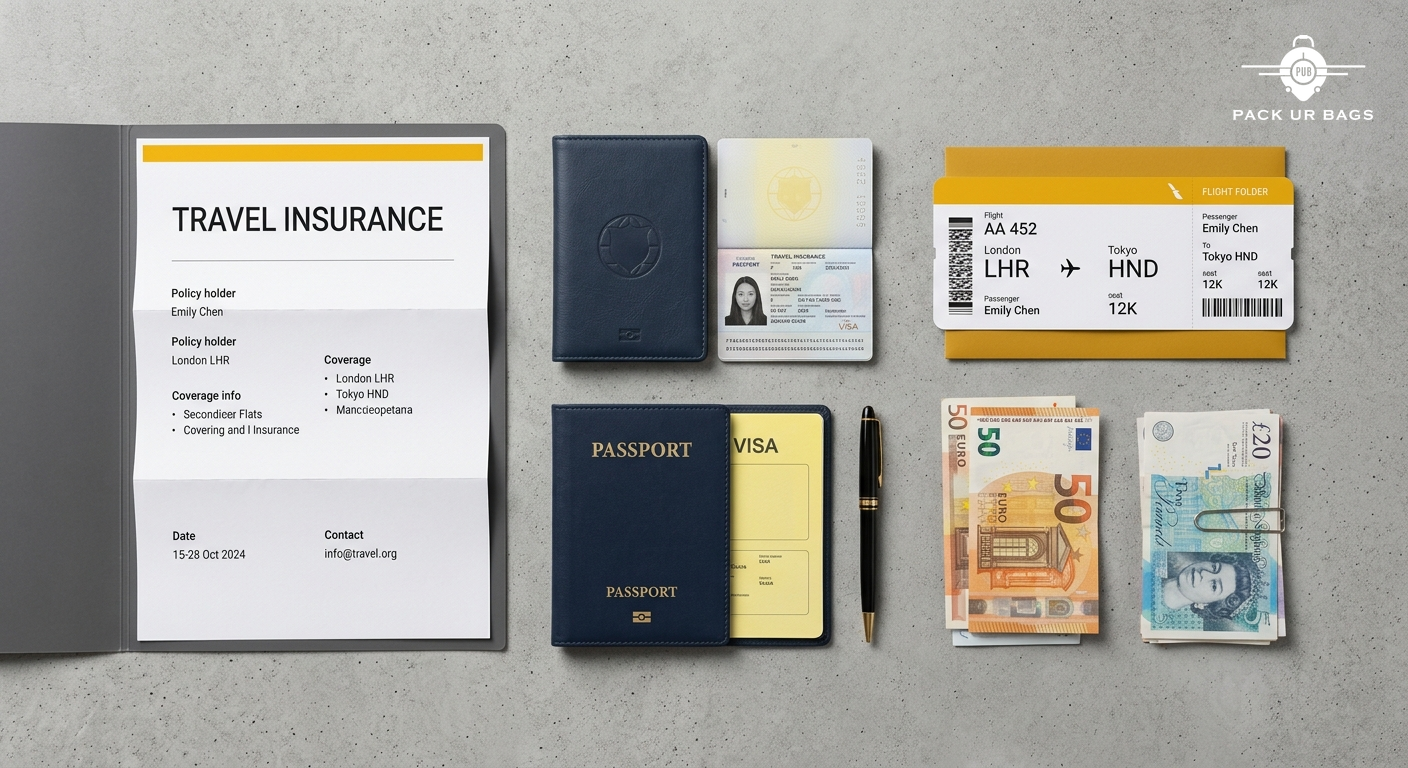
Start with the Right Destination for Your First International Trip
Your first international trip isn’t the time to conquer five countries in 10 days or trek across Southeast Asia with just a backpack. It’s the time to pick a destination that won’t punish you for being new at this.
Choose a place that’s easy to navigate, forgiving if you make a mistake, and close enough that the flight doesn’t drain half your energy before you even arrive. For Bangalore travelers, that usually means Thailand, Bali, Dubai, Maldives, or Singapore. These destinations are popular for good reasons — they work for first-timers.
Thailand tops the list. It’s affordable, visa-friendly, well-connected from Bangalore, and English is widely understood in tourist areas. You’ll find other Indian travelers everywhere, which helps if you’re anxious about language or food. Bangkok has direct flights from Bangalore, and once you’re there, internal travel is cheap and reliable. We’ve sent dozens of first-time travelers to Thailand, and almost all of them come back saying it was easier than they expected.
Dubai is another solid pick if you want something closer to home. It’s modern, safe, extremely tourist-friendly, and you can get by entirely in English or Hindi. The time zone difference is minimal, which helps with jet lag. Visa processing is straightforward. It’s more expensive than Thailand, but the infrastructure is so good that even if things go wrong, they’re easy to fix.
Bali offers a middle ground — more adventurous than Dubai, less chaotic than Bangkok. It’s slightly farther, but still manageable for a first trip. Visa on arrival is available for Indians, and the island is small enough that you won’t feel lost. We often recommend Bali for young couples or solo travelers who want a bit more exploration without diving into full backpacker mode.
One mistake we see often: picking a destination because it looks good on Instagram. That worked for someone else’s trip, not necessarily yours. Choose based on your comfort level, not someone else’s highlight reel.
Get Your Passport Sorted First — Before You Do Anything Else
You can’t book a single thing until your passport is ready. Not the flight. Not the hotel. Not the visa. Nothing.
If you don’t have a passport, apply now. It takes anywhere from two to four weeks under normal processing, sometimes longer if there’s a backlog or an error in your application. The Passport Seva Kendra in Bangalore has multiple branches — Sarjapur, Koramangala, Jayanagar, and others. Book your appointment online through the official Passport Seva portal. Don’t wait for “the right time” because there’s always going to be a reason to delay.
If you already have a passport, check two things: validity and blank pages. Most countries require at least six months of validity remaining from your date of entry. Some require more. If your passport expires in four months and your trip is in two months, you’re cutting it too close. Renew it.
Check the blank pages too. You need at least two to three completely blank pages for stamps and visas. This catches people off guard more often than you’d think. We’ve had clients show up at the airport only to be turned away because their passport didn’t have enough blank pages. That’s a mistake that costs you the entire trip.
Passport photos, address proof, identity proof — keep everything ready before you start the application. The process itself isn’t hard, but small errors cause delays. Double-check every field on the form. One wrong character in your name or address can send your application back for resubmission.
Understand Visa Requirements Early
Visa requirements vary wildly depending on where you’re going, and this is where most first-time travelers hit their first real roadblock.
Some countries offer visa on arrival for Indian passport holders. Thailand, Maldives, Indonesia, and a few others fall into this category. You land, get your passport stamped, and you’re in. Easy. But even visa-on-arrival destinations have rules — duration limits, proof of onward travel, minimum funds requirements. Don’t assume it’s automatic just because you paid for a flight.
Other destinations require you to apply for a visa in advance. Dubai, Singapore, Malaysia, and most of Europe fall here. You’ll need to submit your passport, flight bookings, hotel confirmations, bank statements, and sometimes an invitation letter or travel insurance. Processing times range from three days to three weeks depending on the country. Some visas require an in-person appointment. Some don’t.
Here’s what trips people up: they book the flight first, then realise the visa takes longer than expected. Now they’re stuck with a non-refundable ticket and no visa. It happened to one of our clients in early 2025 — booked a Europe trip with just two weeks to departure, applied for the Schengen visa, and got the appointment slot after their flight date. We had to rebook everything.
Work backwards. Pick your destination, check the visa requirements, figure out how long it takes, and only then book your flights. If the visa needs 10 working days, give yourself 20. If it needs an appointment, book that before you book anything else.
If visa paperwork feels overwhelming, that’s exactly what we handle at Pack Ur Bags. We’ve processed hundreds of visas for Bangalore travelers. We know what each consulate expects, which documents they scrutinise, and how to avoid the common mistakes that cause rejections or delays.
Set a Realistic Budget — Then Add 20 Percent
Most first-time international travelers either overestimate how far their money will go or underestimate how quickly it disappears. Both are a problem.
A realistic budget for a first international trip from Bangalore depends on where you’re going and how you like to travel, but here’s a rough breakdown for a 5 to 7 day trip to a mid-range destination like Thailand or Bali in 2026:
Flights: ₹20,000 to ₹35,000 per person for economy, depending on season and how early you book. Peak season (December, January) and last-minute bookings push this higher. Book at least two months in advance if you want decent rates.
Accommodation: ₹2,500 to ₹5,000 per night for a comfortable mid-range hotel or Airbnb in a good location. You can go lower with hostels or guesthouses if you’re comfortable with that, or higher if you want a resort. Multiply by the number of nights and add a small buffer.
Food: ₹1,500 to ₹3,000 per day per person. Street food and local restaurants are cheaper. Hotel breakfasts and tourist-area cafes push the cost up. If you’re vegetarian and picky, food can get more expensive because you’ll have fewer options.
Local transport: ₹500 to ₹1,500 per day depending on how much you move around. Taxis, tuk-tuks, metro, scooter rentals — it adds up faster than you think. Apps like Grab or Gojek work in most Southeast Asian cities and make it easier to estimate costs upfront.
Activities and sightseeing: ₹2,000 to ₹5,000 per day. Some things are free (beaches, temples, walking around). Some things are expensive (island hopping tours, adventure sports, theme parks). Budget based on what you actually want to do, not what sounds good in theory.
Visa fees, travel insurance, airport transfers, and SIM cards: another ₹5,000 to ₹10,000 depending on the country.
Add it all up and then add 20 percent. That buffer covers exchange rate fluctuations, unexpected meals, that one activity you didn’t plan for, and the souvenir you’ll definitely buy even though you said you wouldn’t.
For a typical 5-day Thailand trip, expect ₹60,000 to ₹80,000 per person if you’re traveling comfortably but not extravagantly. Bali costs slightly more. Dubai costs significantly more. Maldives is in a different league altogether unless you pick a local island over a resort.
One pattern we’ve noticed: people spend hours comparing flight prices to save ₹2,000, then blow ₹15,000 on things they didn’t plan for because they didn’t budget properly. Save where it makes sense, but don’t let penny-pinching ruin your trip.
Book Flights Strategically, Not Impulsively
Booking your first international flight feels like a big moment. It is. But don’t let excitement push you into a bad decision.
Direct flights from Bangalore are available to most popular first-time destinations — Bangkok, Singapore, Dubai, Colombo, Male. Direct flights cost more but save you time, energy, and the stress of navigating a layover in a new airport. For your first trip, that trade-off is usually worth it.
If budget is tight, connecting flights through Kuala Lumpur, Doha, or Abu Dhabi can save ₹5,000 to ₹10,000 per person. Just make sure the layover is long enough — at least two to three hours for international connections. Short layovers sound efficient until you miss your connecting flight because immigration took longer than expected.
Book on a weekday if possible. Weekend flights are almost always more expensive. Tuesday and Wednesday departures tend to be cheaper than Friday or Saturday. Flexible dates can save you significant money — sometimes shifting your trip by two days drops the fare by 30 percent.
Don’t ignore baggage allowance. Most economy tickets include 15 to 20 kg of check-in baggage and 7 kg of cabin baggage, but budget airlines sometimes charge extra for check-in bags. Read the fine print before you book. Paying for baggage at the airport costs way more than adding it during booking.
One more thing: book flights and hotels separately unless you’re getting a genuinely good package deal. Bundled packages often look cheaper but lock you into rigid schedules and mediocre hotels. At Pack Ur Bags, we build custom itineraries that give you flexibility and value — not cookie-cutter packages that save the agency money, not you.
Choose Accommodation That Matches Your Travel Style
Where you stay sets the tone for your entire trip. Pick wrong and you’ll spend the whole week wishing you’d made a different choice.
Location matters more than amenities. A beautiful hotel 10 kilometers from the city center sounds great until you realise you’re spending two hours and ₹1,000 a day just getting to where you actually want to be. Stay central. Stay close to public transport. Stay where the action is unless you specifically want isolation and quiet.
For first-time travelers, mid-range hotels offer the best balance. You get a clean room, reliable Wi-Fi, helpful staff, and enough English communication to solve problems. You’re not paying for luxury you won’t use, but you’re also not dealing with hostel dorms or sketchy guesthouses.
Airbnb works well if you’re traveling as a couple or small group and want a kitchen or more space. It’s often cheaper than hotels for the same quality. Just read reviews carefully and check the cancellation policy. Some hosts are flexible. Some aren’t.
Hostels are fine if you’re solo, on a tight budget, and comfortable with shared spaces. They’re also good for meeting other travelers. But if you’re over 30 or traveling with a partner, a private room in a budget hotel usually makes more sense.
Book refundable rates if you’re not 100 percent sure about your plans. It costs slightly more upfront but gives you flexibility if something changes. We’ve had clients get visa delays, flight cancellations, and family emergencies — refundable bookings saved them thousands.
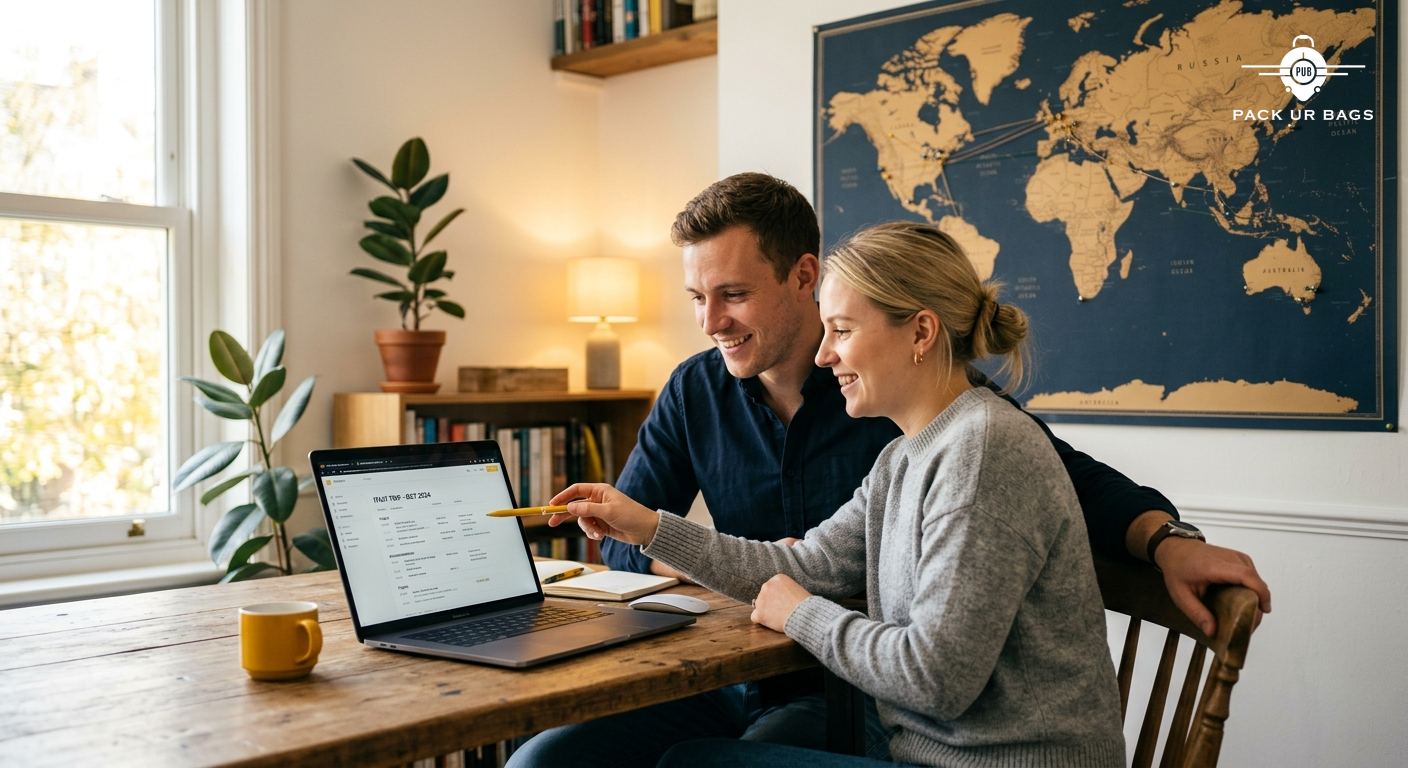
Plan a Flexible Itinerary, Not a Rigid Schedule
Here’s the mistake almost every first-time traveler makes: they plan every single hour of every single day. Breakfast at 8. Museum at 10. Lunch at 1. Temple at 3. Sunset at 6. Dinner at 8. Zero buffer. Zero flexibility.
That works until day two, when you’re exhausted, the museum is closed for a holiday you didn’t know about, and the restaurant you wanted to try has an hour-long wait. Now your perfect plan is falling apart and you’re stressed instead of enjoying your trip.
Plan the big things. Know which areas you want to explore, which one or two activities are non-negotiable, and where you’ll stay each night. Leave everything else loose. Some of the best travel experiences happen when you wander into a random café, take a detour because someone recommended it, or skip an activity because you’d rather sleep in.
We’ve seen this pattern repeatedly at Pack Ur Bags: the travelers who have the best time are the ones who plan just enough but not too much. They know what they want to see, but they’re not married to a schedule. The ones who plan every detail often come back exhausted and disappointed.
Build rest time into your itinerary. You’ll be walking more than you think. Jet lag hits harder than you expect. Your body needs time to adjust. One full day in your week should be a slow day — sleep late, have a long breakfast, explore your neighborhood, do nothing if that’s what feels right.
Sort Out Money and Payments Before You Leave
Currency confusion causes more stress than it should. Sort this out before you land.
Carry some local currency in cash for your first day — enough for a taxi, a meal, and a SIM card. Exchange a small amount (₹5,000 to ₹10,000 worth) at the Bangalore airport or a reliable forex dealer in the city before you leave. Airport exchange counters at your destination usually offer worse rates.
Once you’re there, use ATMs for cash. The exchange rate is better than currency counters, and you can withdraw as you need it instead of carrying large amounts. Check with your bank before you leave — some Indian banks charge high international ATM fees. HDFC, ICICI, and Axis have better forex cards and international debit card options.
Forex cards are useful if you don’t want to carry cash or use your regular debit card. You load a card with foreign currency before your trip and use it like a debit card abroad. It locks in the exchange rate, so you’re not affected by fluctuations during your trip. The downside: if you don’t use all the money, converting it back is a hassle.
Credit cards work almost everywhere in developed tourist areas, but not everywhere. Visa and Mastercard are widely accepted. American Express less so. Always carry some cash as a backup.
Inform your bank before you travel. If you start making transactions in Thailand without telling your bank, they might block your card thinking it’s fraud. A quick call or app notification before your trip avoids this.
One more thing: don’t stress about getting the perfect exchange rate. The difference between the best rate and an okay rate on ₹50,000 is maybe ₹1,000. It’s not worth spending two hours hunting for the best deal. Get a decent rate and move on.
Get Travel Insurance — Seriously
Most first-time travelers skip travel insurance. Then something goes wrong and they realise how expensive that decision was.
Travel insurance costs ₹500 to ₹1,500 per person for a short international trip, depending on coverage. That’s less than one meal at a tourist restaurant. In return, you’re covered for medical emergencies, trip cancellations, lost baggage, flight delays, and sometimes even adventure activities.
Medical emergencies abroad are expensive. A single doctor’s visit in Singapore or Dubai can cost ₹10,000 or more. A hospital stay can run into lakhs. Travel insurance caps your out-of-pocket expense and handles the paperwork.
We had a client in Bali in 2025 who fractured his ankle on a scooter. The insurance covered the hospital bill, the medication, and the extra hotel nights while he recovered. Without it, that trip would have cost him an additional ₹2 lakh.
Buy insurance that covers the activities you’re actually planning to do. Basic plans exclude adventure sports, water activities, and scooter rentals. If you’re planning to scuba dive, zip-line, or rent a bike, get a plan that explicitly includes those activities.
Read the exclusions. Most policies don’t cover pre-existing medical conditions, pregnancy-related issues, or incidents involving alcohol. If you’re traveling with elderly parents or someone with a health condition, disclose it upfront and get the right coverage.
Pack Light and Smart, Not for Every Possible Scenario
First-time international travelers pack like they’re moving abroad. You don’t need seven pairs of shoes or 10 outfits for a 5-day trip.
Start with a good carry-on bag or a check-in suitcase that’s easy to move. Avoid overpacking your cabin bag — you’ll be lugging it through airports, security checks, and immigration. Keep it light.
Clothes: pack for the climate and activities, not for every hypothetical situation. Most destinations have laundry services or you can wash clothes in your hotel. Pack basics that mix and match. One pair of comfortable walking shoes, one pair of sandals or flip-flops if you’re going somewhere warm. That’s usually enough.
Toiletries: carry travel-sized versions of your essentials. Most hotels provide soap and shampoo. You can buy anything you forget at your destination. Don’t pack full-sized bottles of things you’ll use once.
Medications: carry any prescription medications in their original packaging, along with a copy of the prescription. Bring basic over-the-counter medicines — pain relievers, anti-nausea tablets, antihistamines, band-aids. Pharmacies exist everywhere, but having basics saves you a trip when you’re tired or sick.
Electronics: your phone, charger, and a universal adapter. Most of Southeast Asia uses a different plug type than India. Buy an adapter before you leave or pick one up at the airport.
Documents: keep physical and digital copies of your passport, visa, flight bookings, hotel confirmations, travel insurance, and emergency contact numbers. Store digital copies in your email or cloud storage so you can access them even if you lose your phone.
One thing we tell every client: pack a small day bag or backpack. You’ll use it constantly — for day trips, beach visits, carrying water and snacks. A foldable tote or a small backpack works perfectly.
Know What to Expect at the Airport and Immigration
Your first international departure can feel overwhelming. Here’s what actually happens.
Arrive at Kempegowda International Airport at least three hours before your flight. That sounds excessive, but international check-in and security take longer than domestic. Peak hours (early morning and late evening) get crowded. Give yourself time.
Check-in: head to your airline’s counter with your passport and booking confirmation. If you checked in online, you might still need to drop your bags and get your boarding pass stamped. Make sure your baggage weight is within limits.
Immigration: after check-in and security, you’ll go through immigration. Have your passport and boarding pass ready. The officer will stamp your passport with an exit stamp. It’s quick and straightforward. Don’t stress about questions — they rarely ask anything beyond “where are you traveling?”
Security: similar to domestic security but stricter. Laptops and liquids come out of your bag. Shoes sometimes come off. Follow instructions, be patient, and don’t joke about security. They don’t find it funny.
Duty-free: after immigration, you’ll enter the departure area with duty-free shops, cafes, and lounges. This is where you wait for your flight. Duty-free shopping sounds appealing but isn’t always cheaper than regular stores. Compare prices before you buy.
Boarding: watch the screens for your gate number and boarding time. Gates sometimes change. Don’t wander too far or lose track of time.
When you land at your destination, follow the signs to immigration. Have your passport, visa (if required), arrival card (sometimes provided on the flight), and return ticket details ready. Officers may ask where you’re staying and how long you’re visiting. Answer briefly and honestly. Once you’re through, collect your baggage, go through customs (usually just a declaration if you have nothing to declare), and exit.
That’s it. The process is simpler than it looks from the outside.
Frequently Asked Questions
What is the best time to book an international trip from Bangalore?
Book flights and hotels at least two to three months in advance for better rates, especially if you’re traveling during peak season like December, January, or summer holidays. Visa processing can take one to three weeks depending on the country, so start the process early.
How much does a first international trip typically cost?
A 5 to 7 day international trip to destinations like Thailand, Bali, or Dubai costs between ₹60,000 and ₹1,00,000 per person, covering flights, accommodation, food, transport, and activities. Budget travelers can manage with less, luxury travelers will spend significantly more.
Do I need travel insurance for my first international trip?
Yes. Travel insurance is inexpensive (₹500 to ₹1,500 for short trips) and covers medical emergencies, trip cancellations, lost baggage, and delays. It’s especially important if you’re doing adventure activities or traveling to expensive destinations.
What documents do I need for international travel from Bangalore?
You’ll need a valid passport with at least six months validity and blank pages, a visa or entry permit depending on your destination, confirmed flight bookings, hotel reservations, travel insurance, and copies of all these documents both physical and digital.
Let Pack Ur Bags Handle the Details So You Can Enjoy the Experience
Planning your first international trip from Bangalore doesn’t have to feel like a second job. If you know the steps, follow them in order, and give yourself enough time, the process is manageable.
But here’s the reality: most first-timers don’t have the time to research every detail, compare every option, and anticipate every problem. That’s exactly where we come in.
At Pack Ur Bags, we’ve built hundreds of first-time international itineraries for Bangalore travelers. We handle visa applications, book flights and hotels that actually match your budget and preferences, plan realistic itineraries that don’t burn you out, and stay available 24/7 if something goes wrong during your trip. You get the experience without the stress.
We’re based in Sarjapur, Bangalore, and we’ve worked with travelers who’ve never left India and travelers who just needed help pulling everything together. Every trip is built around you — not a template.
If you’re ready to stop researching and start planning, call us at +91-9150017657. Let’s build your first international trip the right way.