
Someone asked me three weeks ago whether Bali still feels “authentic” in 2026. They’d seen Instagram posts. Watched the vlogs. Read that Bali was “overdone.”
Here’s what I told them: Bali hasn’t changed. Your expectations have.
Pack Ur Bags has sent dozens of travelers from Bangalore to Bali over the past few years. Some came back raving. Others felt let down. The difference? Knowing where to go, when to go, and what you’re actually signing up for. Bali isn’t one place. It’s five very different experiences crammed onto one island. Pick the wrong area for your travel style, and you’ll blame Bali. Pick right, and you’ll understand why people keep coming back.
This Bali travel guide isn’t a list of temples you’ve already Googled. It’s a practitioner’s map — the kind we hand to clients after they tell us what kind of trip they actually want. Not the trip they think they should want.
Why Bali Still Deserves Your Time in 2026
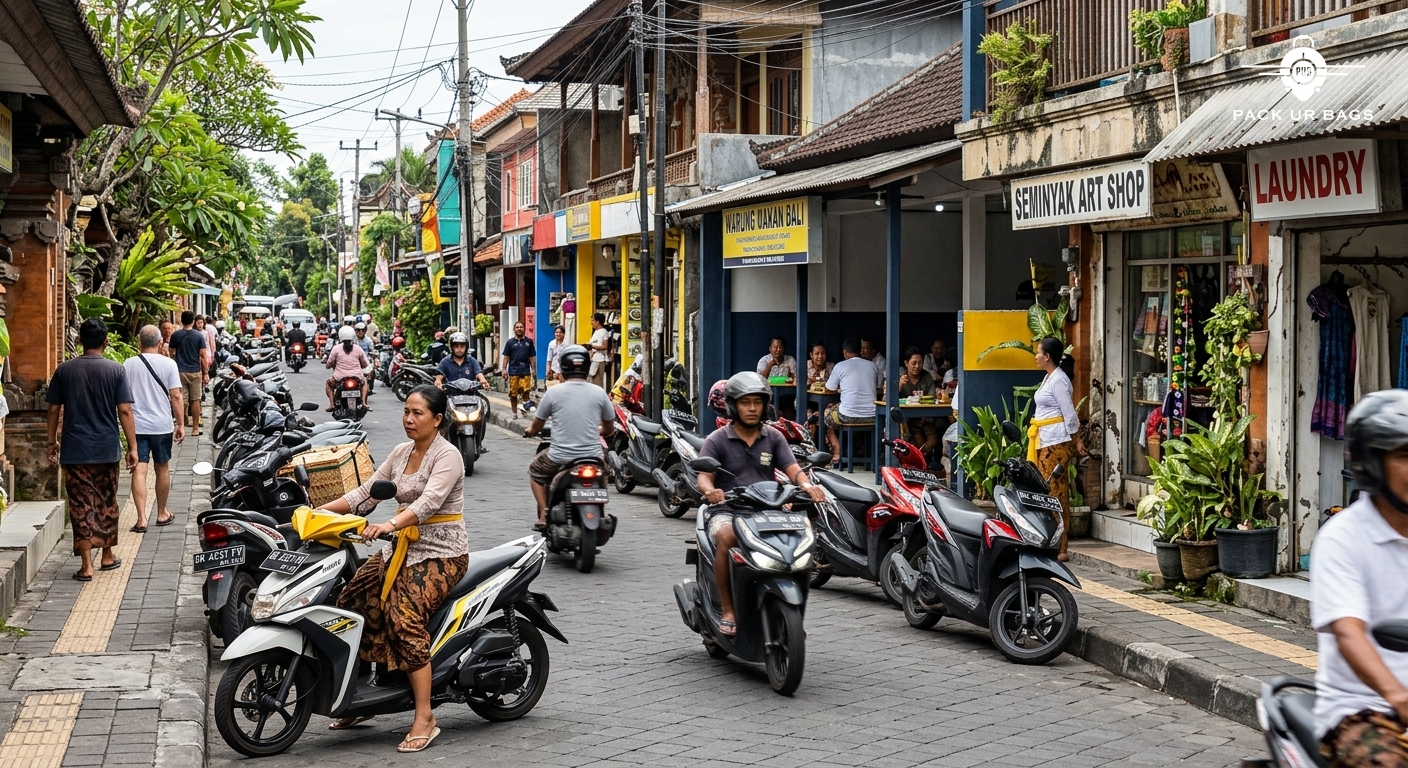
Let’s address the elephant first. Yes, parts of Bali are crowded. Kuta feels like a mall with a beach attached. Seminyak during peak season looks like Indiranagar on a Saturday night. And every second café in Canggu has someone on a MacBook pretending to work.
But here’s the nuance most travel blogs miss: those crowds exist because Bali offers something genuinely rare. It’s one of the few places on earth where you can surf in the morning, hike a volcano by sunrise, eat world-class food for less than ₹1,500 a meal, stay in a private villa with a pool for under ₹8,000 a night, and still find pockets of the island where you’re the only foreigner for kilometres.
The trick isn’t avoiding Bali. It’s knowing which Bali you’re booking.
We learned this the hard way. Early 2025, we sent a honeymooning couple to Ubud based on their brief: “quiet, romantic, away from crowds.” They hated it. Too remote. No nightlife. Felt isolated. Our mistake wasn’t the destination — it was not asking the right follow-up questions. Ubud is quiet, but quiet isn’t always what people mean when they say they want peace. Sometimes they mean “fewer people but still stuff to do.” That’s Canggu. Or Uluwatu.
Bali rewards specificity. Generic itineraries produce generic experiences. This guide breaks Bali into regions, tells you what each one actually delivers, and helps you pick the right base without wasting three nights in the wrong village.
Seminyak: Resorts, Dining, and the Upscale Beach Club Scene
Seminyak is Bali’s polished edge. Clean streets. High-end resorts. Beach clubs where a cocktail costs more than your entire street food budget in Ubud. If you want luxury without pretending you’re roughing it, Seminyak nails it.
This is where Bangalore professionals in their 30s and 40s tend to land. You want comfort. Good WiFi. Air conditioning that actually works. Restaurants where the menu isn’t a gamble. Seminyak delivers all of that, and it doesn’t apologize for being expensive.
Where to Stay in Seminyak
The Legian Bali sits right on the sand. Rooms start around ₹18,000 per night in 2026, sometimes less if you book three months out. It’s quiet for Seminyak standards — no backpackers, no party noise. The pool faces the ocean. Sunset here is earned, not Instagrammed.
If that’s too steep, try Aloft Bali Seminyak. Modern, younger vibe. Rooftop pool. Rooms start closer to ₹9,000. Still walkable to the beach. You’re trading exclusivity for value, but it’s a fair trade.
One thing we tell clients: Seminyak accommodation looks cheaper online than it feels in person. Add breakfast, add airport transfer, add the cost of getting around (you’ll Grab or rent a scooter), and your daily burn rate creeps up fast. Budget ₹12,000 to ₹20,000 per day for two people if you want to enjoy Seminyak properly. Less than that and you’ll feel like you’re watching everyone else have fun.
What Seminyak Gets Right
Dining here is seriously good. Motel Mexicola for loud, fun, colourful Mexican food. Sardine for seafood in a bamboo pavilion over rice fields. Merah Putih for upscale Indonesian in a space that feels like a design magazine. These aren’t tourist traps. They’re places locals take visitors when they want to impress them.
The beach clubs — Potato Head, Ku De Ta, Mrs Sippy — are exactly what you think they are. Daybeds, infinity pools, DJs, and day-drinking. If that’s your vibe, you’ll love it. If it’s not, it’ll feel overpriced and performative. Know yourself before you book.
Seminyak also connects you to the rest of South Bali easily. Uluwatu is 40 minutes south. Canggu is 20 minutes north. Ubud is an hour inland. You’re not stuck here.
The Downside
Traffic. Especially late afternoon. The main drags — Jalan Raya Seminyak, Jalan Kayu Aya — clog up worse than Sarjapur Road at 6 PM. If you’re trying to get somewhere by sunset, leave an hour earlier than Google Maps suggests.
And it’s not quiet. If you wanted a sleepy Bali experience, this isn’t it. Seminyak hums. It’s Bali’s version of polished, and polished means busy.
Canggu: The Surf Town That Became a Digital Nomad Capital
Canggu used to be rice fields and surf breaks. Now it’s rice fields, surf breaks, co-working spaces, and more vegan cafés than you’ll find in all of Bangalore combined.
This is where the 25-to-35 crowd ends up. Solo travelers. Couples who met on Hinge. People who say they’re “building something” but mostly post Stories from beach clubs. If that sounds insufferable, it kind of is. But it’s also fun, social, and ridiculously easy to meet people.
Pack Ur Bags books Canggu for younger clients, group trips, and anyone who lists “surf lessons” or “good cafés” in their travel brief. If you want to be alone with your thoughts, skip this place entirely.
Where to Stay in Canggu
Theanna Eco Villa and Spa offers private pool villas starting around ₹12,000 per night. It’s tucked into the rice fields, so you get the village vibe without the noise. Breakfast is included. Staff genuinely helpful. You’re a 10-minute scooter ride from Echo Beach.
For budget travelers, Coco Hostel or Tribal Bali work well. Dorm beds run ₹800 to ₹1,500 per night. You’ll share space with Australians on their fifth Bali trip and Europeans who arrived three months ago and still haven’t left. Social scene is loud and friendly. Not ideal for couples seeking privacy.
The middle ground? Airbnb a small villa for ₹6,000 to ₹10,000 per night. You’ll get your own pool, a kitchen, and space to breathe. Canggu’s villa density is absurd. Supply is high, prices are decent.
What to Do in Canggu
Surf. That’s the anchor activity here. Echo Beach, Batu Bolong, Berawa — each break has a different vibe. Beginners stick to Old Man’s or Batu Bolong. If you’ve never surfed, book a lesson. Two hours, around ₹2,500 per person. You won’t get good in one session, but you’ll understand why people care.
Eat well. Crate Café for brunch. Warung Bu Mi for cheap, incredible Indonesian food. Roses Cantina for fish tacos. Motion Café if you’re the kind of person who orders açai bowls without irony. The food scene here punches above its weight.
Canggu also has decent nightlife. Old Man’s on a Friday feels like a college reunion you weren’t invited to but somehow ended up enjoying. La Brisa for sunset cocktails in a driftwood treehouse. Pretty Poison if you want to dance and don’t care that it’s touristy.
The Catch
Canggu’s infrastructure hasn’t caught up to its popularity. Roads flood when it rains. Traffic between Canggu and Seminyak during rush hour is miserable. The main strip — Batu Bolong area — feels more like Bali-themed Goa than actual Bali. If you came for Balinese culture, you won’t find much of it here.
Also, everyone’s on a scooter. If you’re not comfortable riding one, getting around becomes expensive or annoying. Grab works, but it’s slow.
Ubud: Culture, Rice Terraces, and the Bali You Imagined
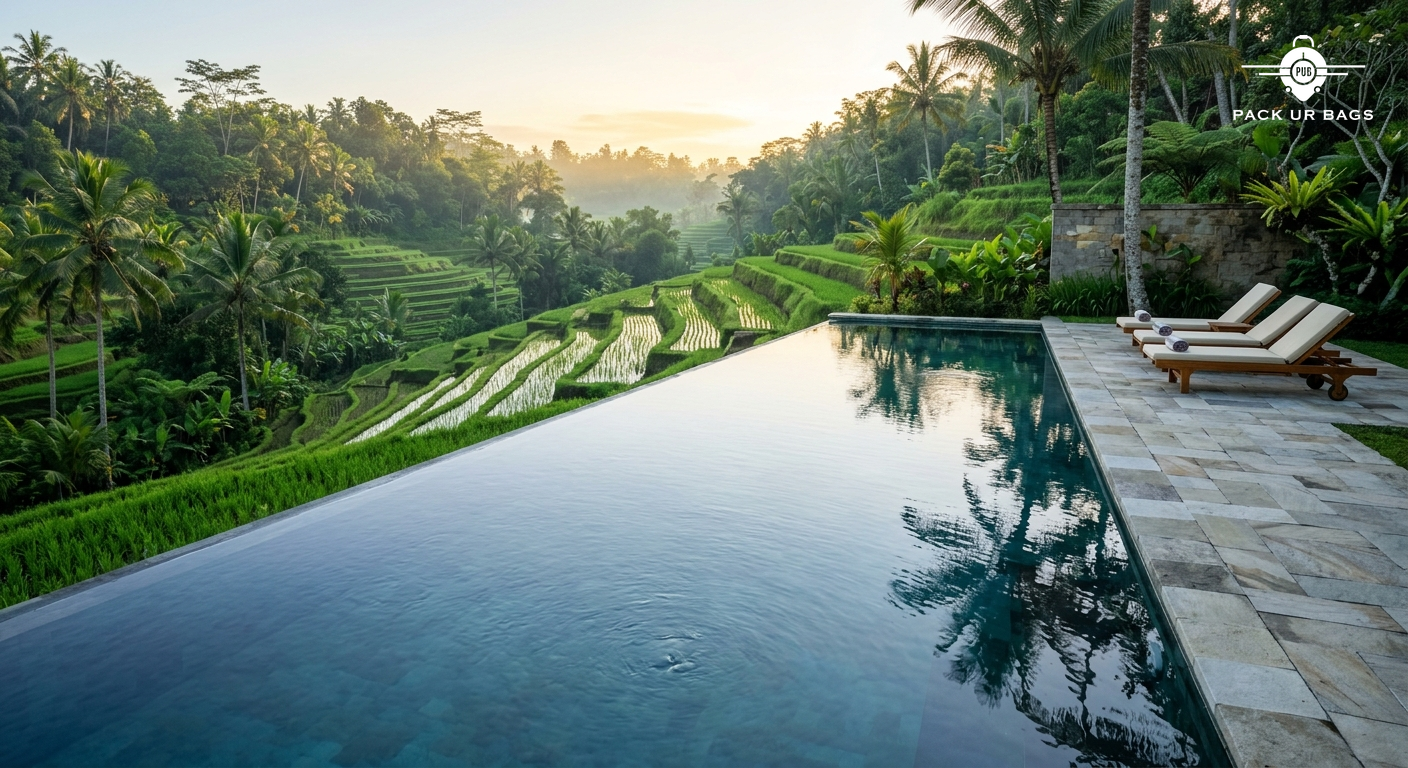
Ubud is what most people picture when they say “Bali.” Green. Lush. Temples. Monkeys. Yoga studios. Rice terraces that look Photoshopped. It’s the Bali of Elizabeth Gilbert and travel documentaries.
This is where we send couples on honeymoons, families who want something slower, and travelers over 40 who describe themselves as “not really beach people.” Ubud isn’t a party. It’s a long inhale.
Where to Stay in Ubud
Bisma Eight is the standout. Infinity pool overlooking the jungle. Rooms start around ₹15,000 per night. Breakfast is a production. Staff remembers your name. It’s the kind of place where you don’t want to leave the property, and that’s fine — the property is the point.
For something cheaper but still lovely, try Jati Cottage. Traditional Balinese bungalows in a garden. Rooms start at ₹4,500 per night. You’re a 15-minute walk from central Ubud. Quiet. Simple. Honest.
If you’re doing yoga or a retreat, dozens of guesthouses and eco-lodges line the rice fields north of town. Many include breakfast and yoga sessions. Prices run ₹3,000 to ₹8,000 depending on season and amenities.
What to Do in Ubud
Tegallalang Rice Terraces are the postcard shot. They’re also ₹200 to enter and packed with tourists by 9 AM. Go early — 7 AM early — or skip it and visit Jatiluwih Rice Terraces instead. Jatiluwih is an hour northwest. Bigger. Fewer people. UNESCO listed. The drive alone is worth it.
Sacred Monkey Forest Sanctuary is exactly what it sounds like. Monkeys. Temples. Jungle paths. The monkeys are aggressive if you’re holding food or shiny objects. Don’t bring a bag you care about. Entry is around ₹150 per person.
Ubud Palace and the traditional markets sit in the town centre. The palace hosts free dance performances most evenings. The market sells the usual tourist stuff, but haggling here is half the experience. Offer half of what they quote and work from there.
For art lovers, ARMA Museum and Neka Art Museum showcase Balinese and Indonesian paintings and sculptures. Both are quiet, well-curated, and under ₹100 to enter.
Eating in Ubud
Locavore if you want fine dining that doesn’t feel stuffy. Tasting menu runs around ₹8,000 per person. Book two weeks ahead. It’s one of the best restaurants in Southeast Asia, and it’s not hype.
For casual, Warung Biah Biah serves Balinese home cooking in a family compound. Nasi campur costs ₹300. Sit on the floor. Eat with your hands if you’re comfortable. This is the Bali that doesn’t show up on Instagram much, and it’s better for it.
The Reality Check
Ubud is inland. It’s hot during the day and humid all the time. There’s no ocean breeze. If you’re not into nature walks, yoga, art, or temples, Ubud will bore you by day three. We’ve had clients cut their Ubud stay short because they missed the beach. Plan accordingly.
Uluwatu: Cliffs, Beaches, and Bali’s Best Sunsets
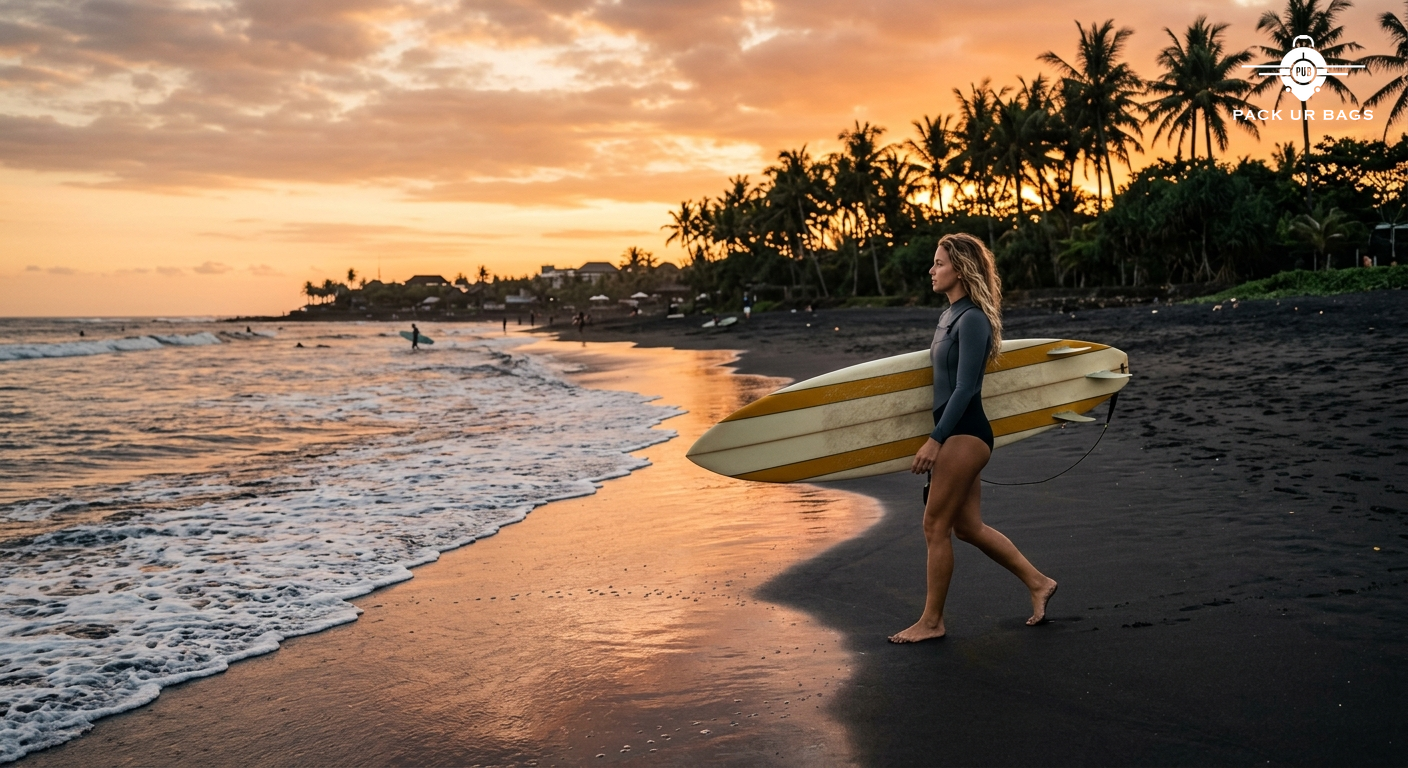
Uluwatu is dramatic. Sheer limestone cliffs. Hidden beaches accessed by steep staircases. Surf breaks that draw professionals. And sunsets that feel like the island showing off.
This is where we send clients who want the beach but don’t want Seminyak’s polish or Canggu’s chaos. Uluwatu feels wilder. More spread out. Less walkable, but more striking.
Where to Stay in Uluwatu
The edge of the cliffs is lined with high-end resorts. Alila Villas Uluwatu is the dream stay. Clifftop cabanas. Private pools. Sunrise yoga. Rooms start around ₹25,000 per night. You’re paying for the view, and the view earns it.
For something more accessible, Six Senses Uluwatu offers villas starting closer to ₹20,000. Still luxury, still cliffside, just slightly less exclusive.
Budget options are thin here. Uluwatu doesn’t do hostels. Your best bet is booking a guesthouse or Airbnb in Pecatu, just north of the main Uluwatu area. Rooms run ₹3,000 to ₹6,000 per night. You lose the cliff views but gain affordability.
Beaches in Uluwatu
Padang Padang is the famous one. Small, tucked into a cove, accessed through a gap in the rocks. It’s beautiful. It’s also crowded. Go early or late.
Suluban Beach (Blue Point Beach) sits below the cliffs near Single Fin. At low tide, you can walk through caves to reach hidden sections of sand. At high tide, the waves crash right into the rocks. Check tide times before heading down.
Nyang Nyang Beach is the secret. A long staircase down the cliffside. Almost no one makes the trek. The beach is massive, empty, and yours. Bring water. There’s no warung down there.
Uluwatu Temple and Kecak Dance
Pura Luhur Uluwatu is one of Bali’s six key spiritual sites. It’s perched on a cliff 70 metres above the Indian Ocean. Sarong required (you can rent one at the entrance for ₹50). The temple itself is small, but the location is stunning.
The Kecak fire dance happens here every evening at sunset. It’s touristy. It’s also genuinely impressive — 50 men chanting, a story from the Ramayana performed against the backdrop of the setting sun. Tickets cost around ₹200. Get there 30 minutes early for a good seat.
Eating and Drinking in Uluwatu
Single Fin is the classic clifftop bar. Sunsets, cold Bintangs, decent pub food. It’s loud, crowded, and everyone’s there for the same reason. Embrace it.
For something quieter, Ulu Cliffhouse offers better food, better cocktails, and a pool you can use if you order enough. It’s pricier but worth it if you want the Instagram shot without the crowd.
Sanur: The Quiet, Family-Friendly Beach Town You’ll Overlook
Sanur doesn’t make the highlight reels. It’s not trendy. The beach isn’t dramatic. There’s no surf. No nightlife. No buzz.
But if you’re traveling with kids, or you’re over 50, or you just want a week where nothing happens and that’s the whole point — Sanur is the best-kept secret in South Bali.
Pack Ur Bags books Sanur for families with young children and older couples. The beach is calm. The vibe is gentle. You can walk the promenade at sunrise and actually relax.
Where to Stay in Sanur
Maya Sanur offers beachfront villas with pools. Rooms start around ₹12,000 per night. The resort is large but quiet. Kids’ club available. Good for families who want space.
Puri Santrian is older, more traditional, but well-loved. Beachfront. Garden setting. Rooms start closer to ₹8,000. Staff is warm and attentive.
Budget travelers can find guesthouses one street back from the beach for ₹2,500 to ₹4,500 per night. You’re a five-minute walk from the sand and a fraction of the price.
What to Do in Sanur
Not much. That’s the appeal. Walk the beach path. Rent a bike. Visit the morning market. Take a boat to Nusa Lembongan for a day trip. Sanur is about slowing down, and if you fight that, you’ll miss the point.
The sunrise here is lovely. The water stays shallow for 50 metres, making it safe for kids. There’s no party scene. Most restaurants close by 10 PM. If that sounds boring, it is. If that sounds perfect, you’ve found your spot.
Nusa Penida, Nusa Lembongan, and the Offshore Islands
These islands sit southeast of mainland Bali. You reach them by speedboat from Sanur — around 30 to 45 minutes depending on which island and sea conditions.
Nusa Penida is rugged, dramatic, and still underdeveloped. Roads are rough. Accommodations are basic. But the landscapes — Kelingking Beach, Angel’s Billabong, Broken Beach — are some of the most striking in Indonesia.
Nusa Lembongan is smaller, quieter, more developed. Better roads. Better hotels. Good snorkeling and diving. It’s the easier of the two for most travelers.
Nusa Penida Highlights
Kelingking Beach is the T-Rex cliff viewpoint you’ve seen online. The view from the top is spectacular. The climb down to the beach is steep, loose, and not for anyone with dodgy knees. If you make it, the beach is stunning and nearly empty.
Angel’s Billabong and Broken Beach sit next to each other on the southwest coast. Natural rock formations, tidal pools, and turquoise water. Go at low tide. High tide is dangerous and you won’t see much.
Crystal Bay is the snorkeling and dive spot. Manta rays frequent the area. Visibility can be hit or miss depending on currents, but when it’s good, it’s world-class.
Nusa Lembongan Highlights
Smaller, more chill. Dream Beach and Mushroom Bay are the main sand spots. Both are swimmable and beautiful. Devil’s Tear offers dramatic wave action at high tide.
The mangrove forest tour by kayak or stand-up paddleboard is peaceful and different from the rest of Bali. It’s quiet. No motors. Just you and the trees.
Should You Stay Overnight?
If you’re doing Nusa Penida, yes. You’ll need a full day minimum. The roads are slow. Distances deceive you. Staying overnight also lets you catch sunrise at Kelingking before the day-trippers arrive.
Nusa Lembongan works as a day trip from Sanur, but it’s nicer if you stay one or two nights. The island is small enough that you won’t get bored, and removing the time pressure makes it more enjoyable.
Best Time to Visit Bali in 2026
Bali has two seasons: dry and wet. Dry season runs May through October. Wet season runs November through April.
Dry Season: May to October
This is peak. Everyone comes. Prices are higher. Hotels book out. Traffic is worse. But the weather is reliable — clear skies, low humidity, almost no rain.
July and August are the worst for crowds. Australian school holidays fill the island. If you’re coming from Bangalore and want dry season, aim for May, June, or September. Slightly fewer people. Same weather.
Wet Season: November to April
It rains. Not all day, usually. Often just in the afternoon or evening. But it’s humid. Roads flood in Canggu and parts of Seminyak. Some beach clubs close. Outdoor plans get disrupted.
The upside? Prices drop 30 to 50 percent. Fewer tourists. Bali feels more like itself. If you can handle the rain and don’t mind flexibility in your plans, wet season offers serious value.
We’ve sent clients in January and February who loved it. The rain didn’t ruin anything. It just changed the rhythm. You plan mornings, not full days.
How Many Days You Actually Need in Bali
Most Bangalore travelers book seven to ten days. That’s about right if you’re staying in two or three areas and not rushing.
A common split we recommend:
- Three nights in Seminyak or Canggu (beaches, nightlife, ease)
- Three nights in Ubud (culture, rice terraces, slower pace)
- Two nights in Uluwatu or a day trip to Nusa Penida (cliffs, hidden beaches, wrap-up)
If you only have five days, cut Ubud or cut the offshore islands. Don’t try to do everything. Bali rewards depth over coverage.
And build in a buffer day. Flights get delayed. You’ll want to sleep in one morning. Your body will thank you.
What Bali Costs in 2026 (Real Numbers)
Bali can be cheap or expensive depending on how you travel. Here’s what we typically see clients spending per day for two people:
Budget Travel: ₹4,000 to ₹7,000 per day
- Guesthouse or homestay: ₹2,000 to ₹3,500 per night
- Warungs and local food: ₹500 to ₹1,000 per day
- Scooter rental: ₹400 per day
- Activities and entry fees: ₹500 to ₹1,500 per day
Mid-Range Travel: ₹10,000 to ₹18,000 per day
- Decent hotel or villa with pool: ₹6,000 to ₹10,000 per night
- Mix of local and tourist restaurants: ₹1,500 to ₹3,000 per day
- Grab or private driver: ₹800 to ₹2,000 per day
- Tours, activities, entry fees: ₹1,500 to ₹3,000 per day
Luxury Travel: ₹25,000+ per day
- High-end resort or private villa: ₹15,000 to ₹30,000 per night
- Fine dining and beach clubs: ₹4,000 to ₹8,000 per day
- Private drivers and tours: ₹3,000 to ₹5,000 per day
- Spa, activities, extras: ₹3,000 to ₹6,000 per day
These are broad ranges. Your spending depends on where you stay and how often you eat at tourist spots versus warungs.
Frequently Asked Questions
Is Bali worth visiting in 2026 or is it too crowded?
Parts of Bali are crowded — Seminyak, Canggu, central Ubud during peak months. But the island is large enough that you can still find quiet. Sanur, Amed, Sidemen, parts of Nusa Penida — all still feel unhurried. The key is choosing your base intentionally and avoiding July and August if possible.
Do I need a visa to visit Bali from India in 2026?
Yes. Indian passport holders need a Visa on Arrival, which you can get at Ngurah Rai Airport. It costs $35 USD (around ₹3,000) and is valid for 30 days. You can extend it once for another 30 days if needed. Pack Ur Bags assists with visa guidance and ensures you have the right documents before departure.
How do I get around Bali — rent a scooter or hire a driver?
Most travelers under 40 rent a scooter. It’s cheap (₹400 per day), flexible, and fun if you’re comfortable riding. Traffic can be chaotic, so if you’ve never ridden one, Bali isn’t the place to learn. Hiring a private driver for the day costs ₹2,500 to ₹4,000 and removes the stress. Grab also works in South Bali, though availability drops in Ubud and Uluwatu.
What should I pack for a Bali trip in 2026?
Light, breathable clothing. Swimwear. Sunscreen (reef-safe if you’re snorkeling). A sarong for temple visits. Comfortable sandals and one pair of closed shoes for hikes. A rain jacket if you’re visiting during wet season. Mosquito repellent. Most toiletries are available in Bali, so don’t overpack.
Ready to Plan Your Bali Trip Without the Stress?
Bali isn’t hard to visit. But it’s easy to waste time in the wrong area or miss the experiences that would’ve actually mattered to you.
Pack Ur Bags has planned dozens of Bali trips for travelers from Bangalore. We don’t sell packages. We build itineraries around how you actually want to spend your time — beaches or culture, luxury or budget, social or private. We handle flights, accommodation, transfers, and visa assistance. And if something goes sideways while you’re there, we’re a WhatsApp message away.
If you’re thinking about Bali in 2026 and you’d rather talk to someone who’s sent real people there instead of Googling for three weeks, call us at +91-9150017657. Let’s figure out which Bali makes sense for you.