
You’re planning a Thailand trip. The internet has overwhelmed you with options, every blog calls every destination a “hidden gem,” and you’re no closer to knowing where to actually go.
Here’s what we’ve learned helping Bangalore travelers plan Thailand trips over the years — the problem isn’t finding places to visit. It’s knowing which ones deserve your limited vacation days and which ones you can skip without regret. At Pack Ur Bags, we’ve watched clients come back from Thailand with two very different stories. Some loved every minute. Others felt like they wasted half their trip following generic advice that didn’t match what they actually wanted.
This Thailand travel guide won’t list every temple and beach. Instead, it’ll help you choose the right places based on what kind of traveler you are and what you’re actually looking for. We’ll compare the popular spots against the alternatives, tell you where the crowds justify the hype and where they don’t, and save you from the mistakes we’ve seen first-timers make dozens of times.
Bangkok vs Chiang Mai: Pick One for First-Timers, Both If You Have Time
Most Thailand itineraries start with this choice. Bangkok or Chiang Mai first?
Bangkok wins for first-time international travelers. It’s chaotic, sure, but that chaos is manageable. The BTS Skytrain makes navigation simple even if you don’t speak Thai. You’ll find English speakers in most tourist areas, and the city offers everything — temples, markets, street food, rooftop bars, shopping malls bigger than anything in Bangalore. Wat Pho and the Grand Palace are touristy for a reason. They’re genuinely impressive. The reclining Buddha at Wat Pho is worth the entrance fee and the crowds. But here’s where most guides get it wrong — you don’t need three full days in Bangkok. Two days covers the highlights. After that, you’re just eating at different restaurants and visiting more temples that start to blur together.
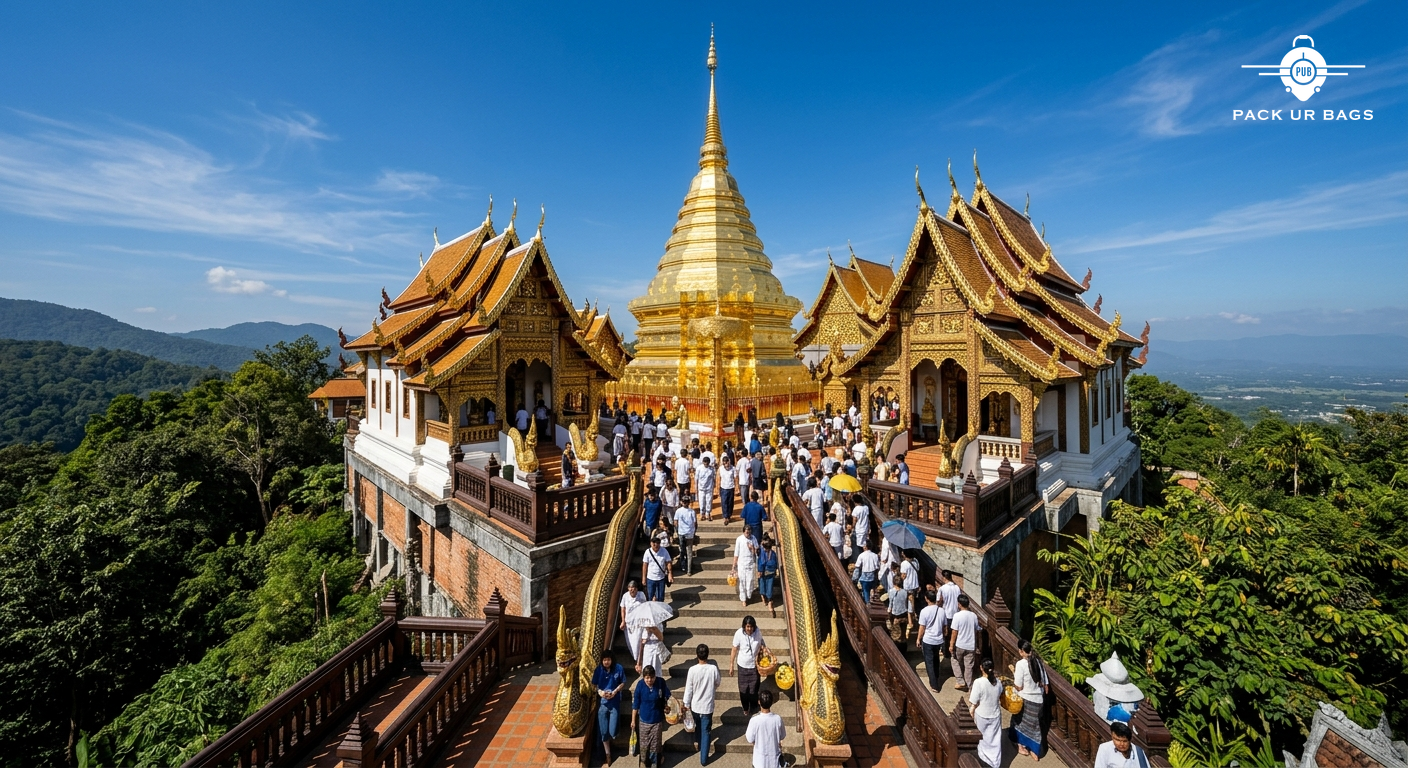
Chiang Mai is the opposite energy. Smaller, slower, more walkable. Better for travelers who get anxious in big cities or want nature and culture without constant noise. The temples here — Wat Phra That Doi Suthep especially — feel more peaceful than Bangkok’s main attractions. Chiang Mai is also your base for elephant sanctuaries, and if you’re doing that (and you should), pick an ethical one where elephants aren’t ridden or performing tricks. We’ve sent clients to several, and the feedback is consistent — it’s worth half a day of your itinerary.
The mistake we see often? Travelers skip one entirely. Don’t. If you have seven days in Thailand, split between Bangkok and Chiang Mai. If you only have five, pick Bangkok and add one nature destination from the options below.
Islands and Beaches: Where to Go and Where to Skip
Thailand has dozens of islands. You don’t need to visit five of them.
Phuket gets a bad reputation from travelers who went 15 years ago. It’s crowded, yes. Parts of Patong Beach feel like a tacky resort strip. But Phuket is also the most convenient island base if you want variety. Stay in the quieter parts — Kata, Karon, or Rawai — and use Phuket as a launching point for boat trips to the Phi Phi Islands and Similan Islands. The Similans offer some of the best diving and snorkeling in Thailand, but they’re only accessible from November to April. If you’re visiting during monsoon season, this won’t be an option.
Here’s the honest take on Phi Phi Islands — they’re beautiful but packed. The day-trip crowds ruin it. If you want to experience Phi Phi properly, stay overnight. Most day-trippers leave by 4 PM, and the islands become tolerable again.
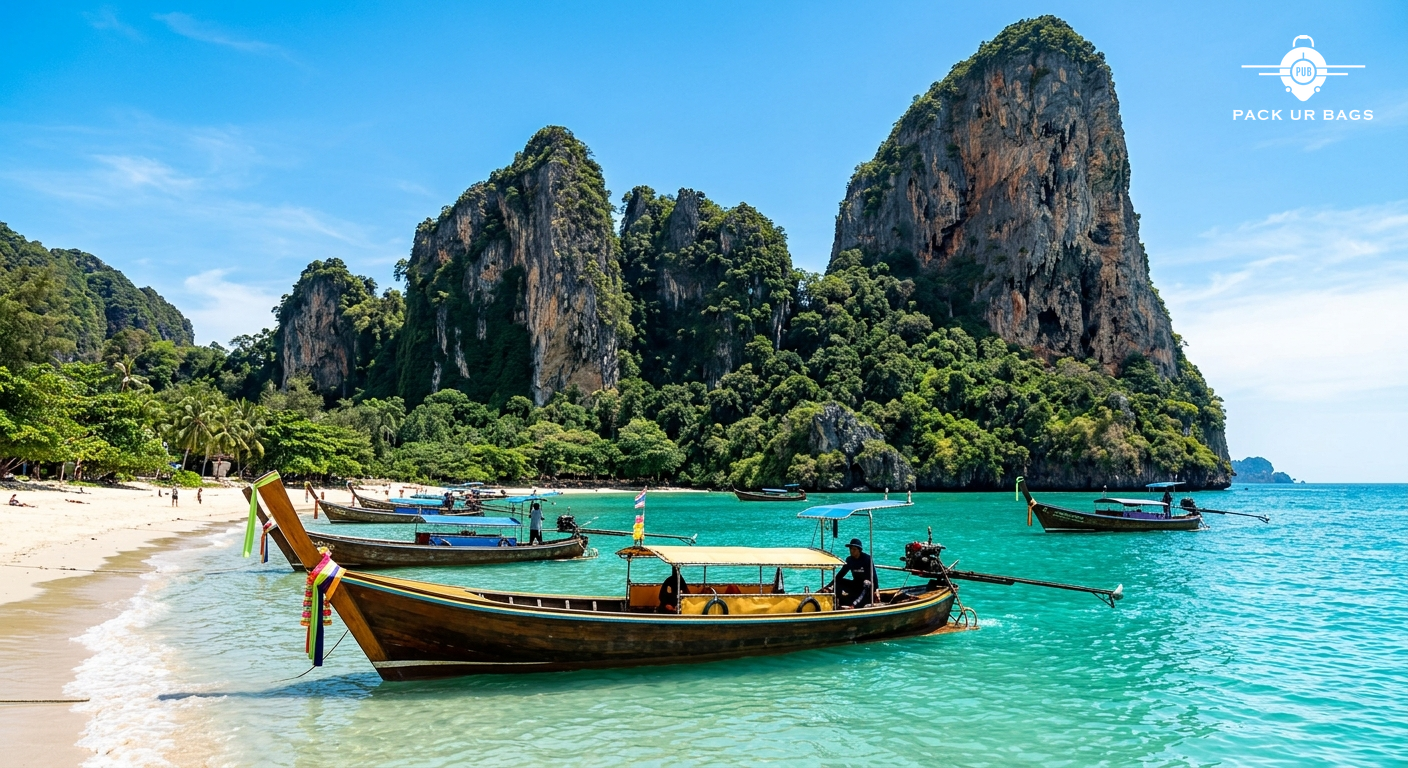
Krabi is the better choice if you want stunning scenery without Phuket’s resort feel. Railay Beach, accessible only by boat, is worth the extra effort. Rock climbing, clear water, limestone cliffs — it’s the postcard version of Thailand that actually lives up to the photos. Ao Nang is your budget-friendly base in Krabi, with decent hotels and restaurants, but Railay is where you’ll spend your days.
Koh Samui works for travelers who want comfort and convenience. It’s developed, easy to navigate, family-friendly. But it lacks the raw beauty of Krabi or the variety of Phuket. We usually recommend Koh Samui for honeymooners or families with young kids who want a resort-style beach holiday without too much adventure.
Skip Pattaya. Seriously. It’s close to Bangkok, which is its only advantage. The beaches aren’t good. The city feels engineered for a very specific type of tourism that most Bangalore families and couples aren’t looking for. If you want a beach break near Bangkok, go to Hua Hin instead. Quieter, cleaner, more relaxed.
Khao Sok National Park: The Nature Experience Most Itineraries Miss
You won’t find Khao Sok on every Thailand travel guide, but it should be there.
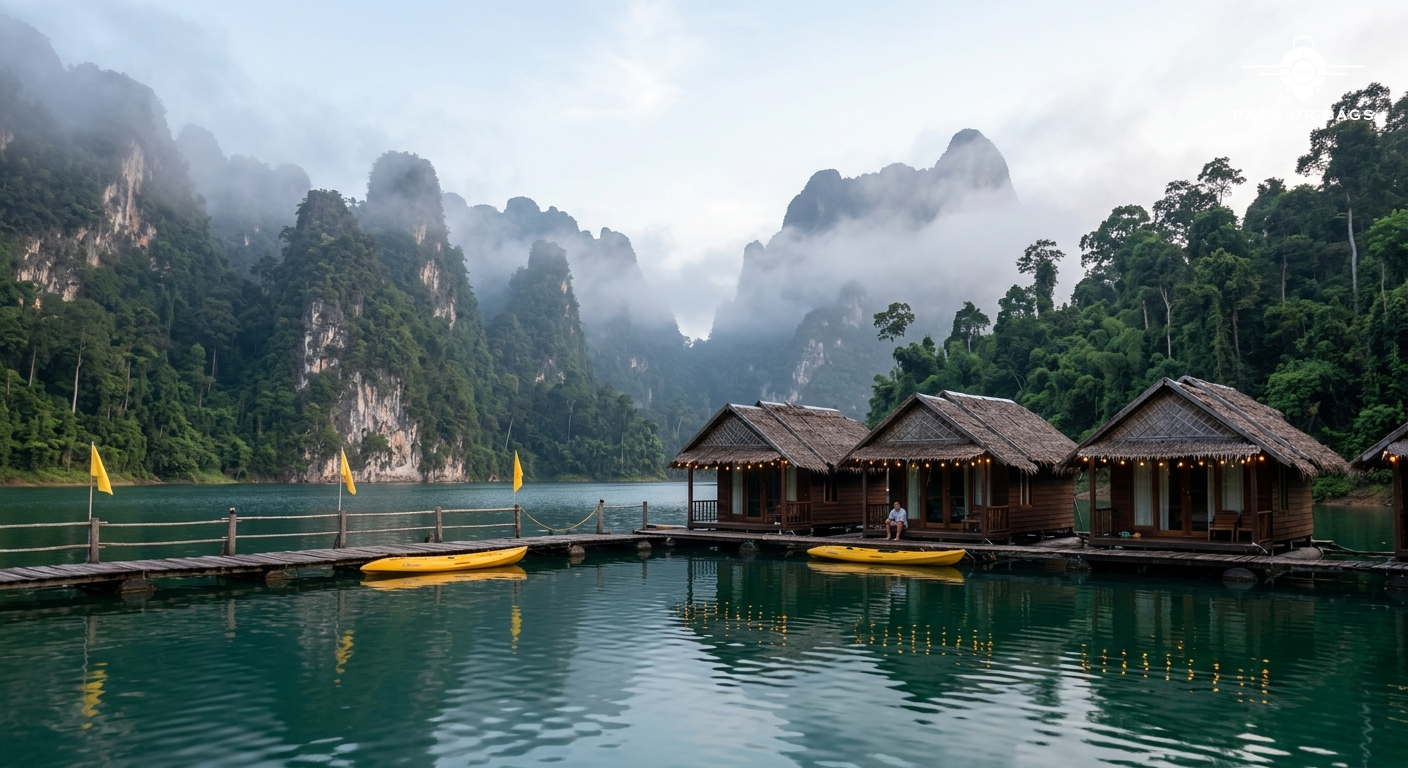
This national park, located between Phuket and Koh Samui, offers the jungle experience without trekking for hours or dealing with uncomfortable conditions. The highlight is Cheow Lan Lake, a massive reservoir surrounded by limestone cliffs and rainforest. You stay in floating bungalows on the lake — basic but clean — and spend your time kayaking, swimming, spotting wildlife.
We’ve watched this destination shift from “adventurous alternative” to “increasingly popular” over the past few years, but it’s still far less crowded than the main beach destinations. Two nights is enough. One night feels rushed.
The catch? It’s not easy to reach. You’ll need a private transfer or a combination of bus and taxi. Most travelers skip it because the logistics feel complicated compared to hopping on a cheap flight to Phuket. But if you want to break up a beach-heavy itinerary with nature that doesn’t require serious hiking, Khao Sok delivers.
Ayutthaya and Sukhothai: Which Ancient Ruins Deserve Your Time
Thailand has two major historical sites — Ayutthaya and Sukhothai. Most itineraries only have time for one.
Ayutthaya is the easier choice. It’s 90 minutes from Bangkok by train or car, which makes it a simple day trip. The ruins are impressive — crumbling temples, Buddha statues wrapped in tree roots, wide open spaces to explore by bicycle. It gets hot, so start early. By midday, you’ll be done. The downside? It feels touristy because it’s so accessible. You won’t be alone at the main sites.
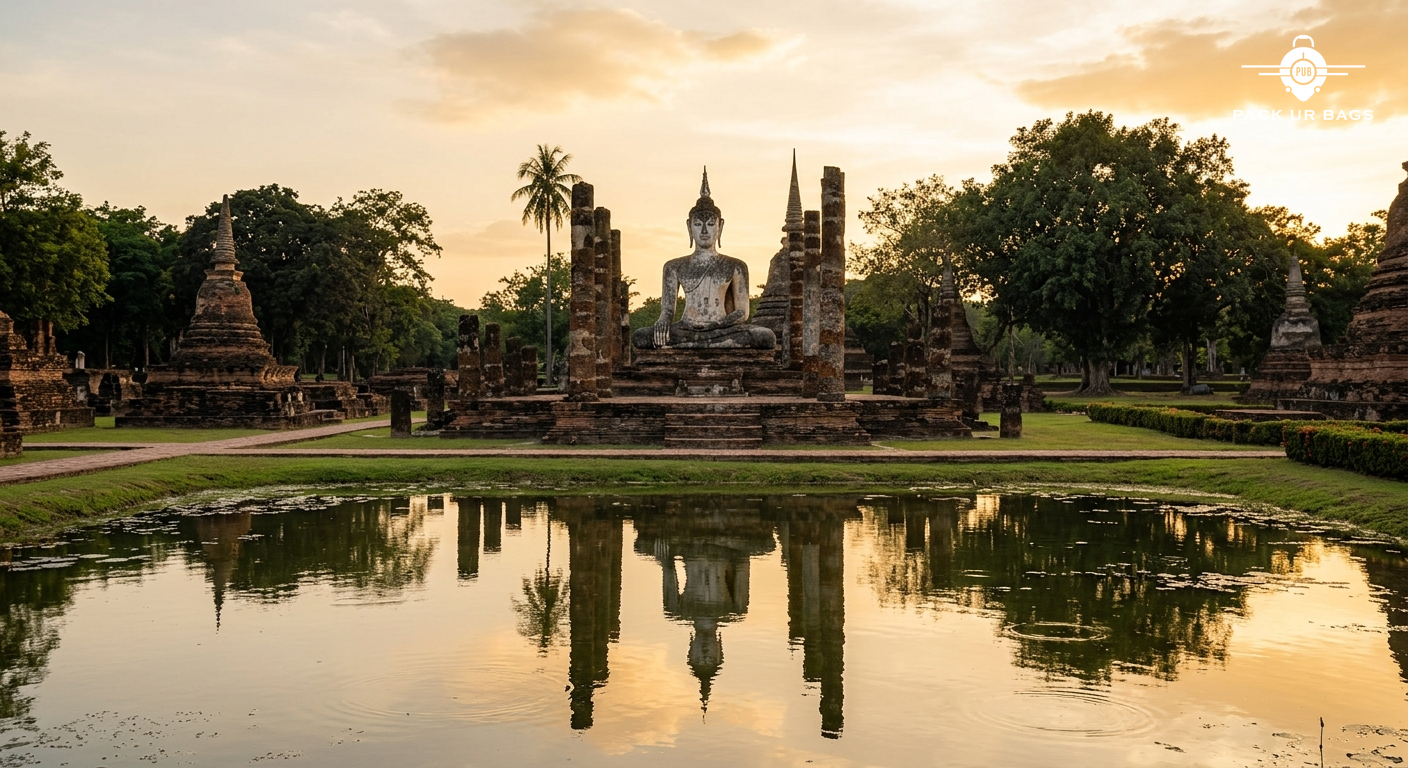
Sukhothai is further north, closer to Chiang Mai, and requires more effort to visit. But the ruins here feel more peaceful, less commercialized. The layout is better for cycling, and the setting — surrounded by ponds and gardens — makes it more pleasant to spend a full day. If your itinerary includes both Bangkok and Chiang Mai, slot Sukhothai in between. If you’re tight on time and staying in Bangkok, do Ayutthaya.
Here’s what doesn’t work — trying to do both. They’re similar enough that visiting one after the other feels repetitive. Pick based on your route, not based on which one ranks higher on some list.
Things to Do in Thailand Beyond the Obvious
Most Thailand attractions are temple visits, beach days, and boat trips. That’s fine. But if you want variety, here are the activities that our clients rate highest.
Cooking classes in Chiang Mai. Half-day classes are everywhere, and they’re genuinely fun even if you’re not a serious cook. You visit a market, pick ingredients, and learn to make four or five dishes. The quality varies, so book one with good reviews. It’s a better souvenir than anything you’ll buy in a night market.
Muay Thai fights in Bangkok. Rajadamnern Stadium hosts fights several nights a week. It’s loud, energetic, and worth experiencing once. Don’t expect a polished show — it’s a real sporting event with passionate local fans.
Street food tours. Bangkok’s street food is legendary, but navigating it alone can feel overwhelming. A guided evening food tour takes you to vendors you’d never find on your own and explains what you’re eating. Skip the expensive dinner at a rooftop restaurant and spend a third of the price eating better food on the street.
Floating markets near Bangkok. Damnoen Saduak is the famous one, but it’s overrun with tourists buying overpriced coconuts for photos. If you want a more authentic market experience, visit Amphawa instead. It’s smaller, less commercial, and the food is better. Go on a weekend evening when locals actually shop there.
Bangkok’s Neighbourhoods: Where to Stay and What to Expect
Bangkok is massive, and where you stay affects your experience more than most guidebooks admit.
Sukhumvit is where most first-time visitors stay. It’s convenient, modern, well-connected by the BTS Skytrain, and packed with hotels in every price range. You’ll find international restaurants, malls, rooftop bars, and enough English speakers that language is rarely an issue. The downside? It doesn’t feel particularly Thai. You could be in any big Southeast Asian city.
Silom and Sathorn are better for business travelers or anyone who wants to be near the river without staying in the chaos of Khao San Road. You’re close to the BTS, near some of Bangkok’s best rooftop bars, and within reach of the Grand Palace and Wat Pho.
Rattanakosin (Old Bangkok) puts you near the major temples but far from the Skytrain. If you don’t mind taxis and boats, it’s a good option. If you want to walk out of your hotel and hop on the BTS, stay in Sukhumvit instead.
Khao San Road is for backpackers on tight budgets. If you’re past that phase of travel, stay somewhere quieter and visit Khao San for an evening if you’re curious. You won’t miss anything by skipping it entirely.
Practical Advice: Visas, Money, Transport, and Timing
Indian passport holders get a 60-day visa exemption for Thailand in 2026. You don’t need to apply in advance for tourist visits under 60 days. Just show your return ticket and proof of accommodation when you land. If you’re staying longer, apply for a tourist visa before you leave India.
Currency is Thai Baht. ATMs are everywhere, but exchange rates at currency exchanges are usually better than at ATMs or hotels. Bring some cash — street vendors and small restaurants don’t take cards.
Transport within cities depends where you are. Bangkok has the BTS Skytrain and MRT Metro, both cheap and easy. Grab (Southeast Asia’s version of Uber) works well when trains don’t reach your destination. In Chiang Mai, you’ll rely on Grab or rented scooters. On islands, it’s a mix of songthaews (shared trucks), taxis, and rented bikes.
The best time to visit Thailand is November to February — dry season, cooler temperatures, perfect beach weather. March to May is hot. June to October is monsoon season, which doesn’t mean constant rain but does mean afternoon showers and rougher seas. If you’re visiting for beaches and islands, avoid monsoon season. If you’re doing mostly Bangkok and Chiang Mai, it’s less of an issue.
What Pack Ur Bags Builds Into Thailand Itineraries
We’ve planned Thailand trips for honeymooners, families, first-time international travelers, and groups of friends. The itinerary that works for one doesn’t work for another, and that’s the point.
For first-timers from Bangalore who’ve never been to Southeast Asia, we usually build a 7-day itinerary: two nights Bangkok, two nights Chiang Mai, three nights at a beach destination (Krabi or Phuket depending on the season). It covers culture, nature, relaxation without rushing.
For couples, especially honeymooners, we swap one of the city nights for an extra beach night and add a floating bungalow stay at Khao Sok if they want something different.
For families with younger kids, we keep it simpler — Bangkok and one island with calm water and family-friendly resorts, usually Koh Samui.
What we don’t do is build itineraries that try to cover everything. Trying to see eight destinations in 10 days ruins the trip. You spend half your vacation in transit and come home exhausted.
If you’re planning a Thailand trip in 2026 and want an itinerary that actually matches your travel style, budget, and comfort level, call us at +91-9150017657 or visit our office on Sarjapur-Attibele Road in Bangalore. We’ll plan it properly.
Frequently Asked Questions
What is the best time to visit Thailand in 2026?
November to February is the best time to visit Thailand. You get dry weather, cooler temperatures, and ideal conditions for beaches and outdoor activities. March to May is hotter, and June to October brings monsoon rains.
Do Indian citizens need a visa for Thailand?
No, Indian passport holders get a 60-day visa exemption for Thailand in 2026. You don’t need to apply for a visa in advance for tourist visits under 60 days. Just carry your return ticket and hotel booking.
How many days do you need for a Thailand trip?
Seven to ten days is ideal for a first Thailand trip. That gives you time for Bangkok, one northern destination like Chiang Mai, and one beach location without rushing. Five days works if you skip either the north or the beach.
Is Thailand expensive for Indian travelers?
Thailand is affordable compared to Europe or the Maldives but more expensive than Goa or Kerala. Budget travelers can manage on ₹3,000-4,000 per day. Mid-range travelers should plan for ₹6,000-8,000 per day including accommodation, food, and activities.
Plan Your Thailand Trip the Right Way
Thailand rewards travelers who plan with intention. Pick destinations that match what you actually want, not what some influencer says you must see. Skip the places that don’t fit your style. Give yourself time to slow down instead of racing through a checklist.
At Pack Ur Bags, we’ve been helping Bangalore travelers plan customized Thailand itineraries based on real preferences, real budgets, and real travel styles. We handle visas, book accommodations that make sense for your group, arrange airport transfers, and give you 24/7 support while you’re traveling.
If you want a Thailand travel guide built specifically for you, not copied from the internet, reach out. Call +91-9150017657 or visit us in Sarjapur. We’ll plan a trip you’ll actually enjoy.