

Best International Tour Packages: What Actually Works for Indian Travelers
Three months ago, a couple from Koramangala walked into our Sarjapur office asking for “something international but not too expensive.” They’d spent two weeks researching international tour packages online. 47 browser tabs open. Budget spreadsheets. Visa forums. Travel blogs. They were more confused than when they started.
Here’s what they actually needed: someone to translate all that information into a single decision they could trust.
That’s the real problem with international tour packages. Not the lack of options — there are too many. The challenge is knowing which one fits your actual travel style, not just your Pinterest board.
Why Most International Tour Packages Feel Generic (And How to Spot the Good Ones)
Most overseas tour packages are built backwards.
They start with what’s easy to sell — iconic landmarks, standard hotels, group itineraries — not what makes a trip memorable. You end up with the Eiffel Tower selfie everyone else took, at the same time, from the same angle, with 40 other tourists doing the exact same thing.
The international holiday packages that actually work start with a different question: What do you want to feel during this trip?
Relaxed? Then Bali’s rice terraces matter more than Bali’s beach clubs. Adventurous? Then Vietnam’s motorbike routes through Sapa beat another floating market tour. Pampered? Then the Maldives with a seaplane transfer and overwater villa is worth every rupee over a standard beach resort.
Pack Ur Bags learned this the hard way. Early on, we built Thailand packages around Bangkok’s Grand Palace and Phuket’s Patong Beach because that’s what everyone expected. Customer satisfaction scores were average. Not bad, not great. When we started asking clients what they wanted to experience — not just see — the itineraries changed completely.
One family spent half their Bangkok time in a cooking class and a Muay Thai gym. Another couple skipped Phuket entirely for Krabi’s quieter islands. Satisfaction scores jumped 34% in six months.
The lesson: international tour packages should feel custom even when they’re not fully customized.
Top International Destinations from India (Based on What People Actually Book, Not What Influencers Post)
Let’s get specific about where Indian travelers are going and why certain foreign tour packages consistently deliver better experiences than others.
Thailand remains the most forgiving first international trip. Affordable, visa-on-arrival for Indians, short flight from Bangalore, English widely spoken, vegetarian food options everywhere. But the gap between a good Thailand package and a mediocre one is massive. A good package skips the overcrowded floating markets and includes places like Ayutthaya’s temple ruins or an elephant sanctuary that’s actually ethical — not one where you ride them.
Bali works when you stay longer than five days. Anything shorter and you’re just tired. The island rewards slow travel — villa stays in Ubud, day trips to rice terraces, temple visits at sunrise before the crowds. Most international tour packages to Bali cram too much in. Better to explore two areas deeply than five areas superficially.
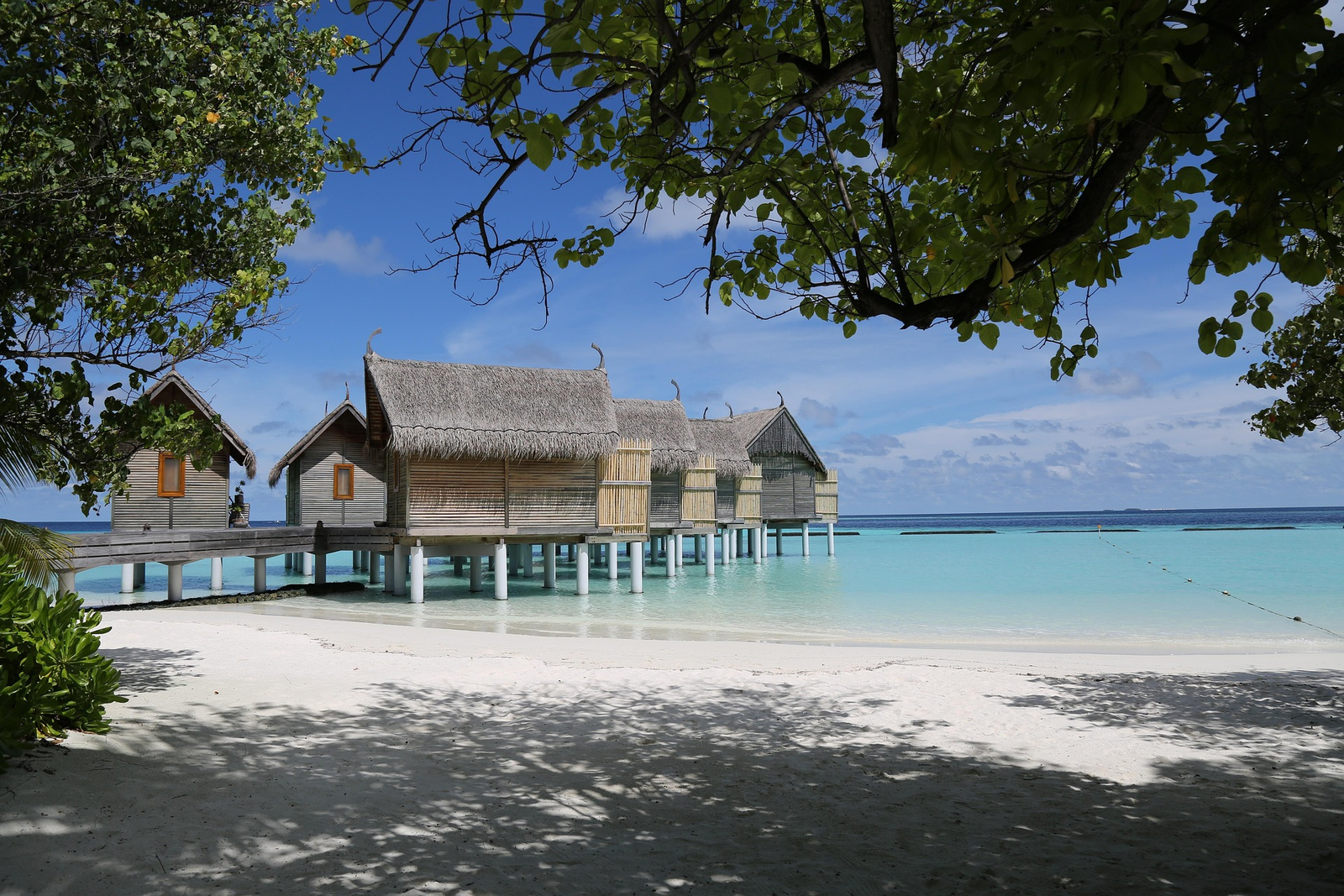
Maldives is expensive no matter what. The trick is knowing where the cost matters. Overwater villas? Worth it. Premium all-inclusive meal plans? Often unnecessary — most resorts include breakfast and you’ll want to try different dining spots anyway. We’ve noticed couples spending ₹3.2 lakh get better experiences than those spending ₹4.5 lakh simply because the first group chose a better-located resort over a bigger brand name.
Dubai attracts two types of travelers — shopping-focused and experience-focused. The packages that disappoint are the ones trying to do both. You can’t properly explore the desert, old Dubai souks, and Marina nightlife while also hitting every mall. Pick your priority before booking any international holiday package to UAE.
Vietnam is criminally underrated. It offers what Thailand used to offer 15 years ago — authentic experiences, incredible food, beautiful landscapes, lower tourist density. The catch: it requires more planning. Domestic flights between Hanoi, Da Nang, and Ho Chi Minh City need to be timed right. Visa process is slightly more involved. This is where working with someone like Pack Ur Bags makes a measurable difference. DIY Vietnam often means wasted days in transit.
Europe isn’t one destination. A Paris-Switzerland-Amsterdam package feels nothing like a Greece-Italy trip. Multi-country European packages often disappoint because you spend more time in airports and trains than actually experiencing places. If it’s your first Europe trip, two countries maximum. Three if they’re small and close together.
Singapore and Malaysia work brilliantly as a combined package — especially for families with kids. Clean, safe, easy to navigate, family-friendly attractions. The mistake people make is spending too long in Singapore (three days is enough) and not enough time in Malaysian beaches or highlands.
Budget Reality Check: What International Tour Packages Actually Cost
Let’s strip away the marketing language and talk real numbers.
A proper week-long international trip from India costs between ₹80,000 and ₹3.5 lakh per person depending on destination and comfort level. Anyone promising international tour packages significantly below that range is cutting corners you’ll regret — terrible hotel locations, hidden costs, no flexibility, massive groups, pushy shopping stops.
Here’s what you’re actually paying for:
Return flights from Bangalore eat 35-45% of most overseas tour packages. This is mostly fixed. You can save maybe 10-15% by booking four months ahead or choosing slightly worse departure times, but that’s it.
Accommodation is where the range explodes. Budget hotels in Bangkok run ₹2,500 per night. Mid-range ₹6,000. Luxury ₹18,000+. Over seven nights that’s the difference between ₹17,500 and ₹1.26 lakh just for where you sleep. Most people should aim for the middle tier — clean, well-located, comfortable, without paying for fancy lobbies you’ll barely see.
Food costs vary wildly by destination. Thailand, Vietnam, Bali — you can eat incredibly well for ₹800-1,200 per person per meal. Maldives, Dubai, Europe — triple that minimum. This is why all-inclusive packages in expensive destinations often make financial sense even when they seem pricey upfront.
Activities and experiences add ₹8,000-25,000 per person for a week. Desert safari in Dubai runs ₹4,200. Snorkeling trip in Maldives ₹6,800. Cooking class in Bali ₹3,500. Skip these and you’ve wasted the trip. Build them into your budget from day one.
Visa costs are fixed and non-negotiable. Schengen visa ₹7,200. UK visa ₹9,800. These countries don’t care about your budget — you pay or you don’t go.
Travel insurance is ₱1,500-3,500 depending on coverage. Never skip this. We’ve seen medical emergencies in Bali cost ₹4.7 lakh out of pocket. Insurance covered it completely for someone who paid ₹2,100 upfront.
Pack Ur Bags builds international holiday packages in three tiers: Essential (₹85,000-1.2 lakh per person), Comfort (₹1.3-2.1 lakh), and Luxury (₹2.2 lakh+). About 64% of Bangalore travelers book the Comfort tier. It’s the sweet spot where you’re not stressing about every expense but not overpaying for features that don’t improve the actual experience.
First International Trip? Start Here (Not Where Everyone Tells You to Start)
The conventional advice is Thailand or Dubai for your first foreign tour package.
That’s often right. But not always.
If you’ve never left India, what matters more than destination is comfort level with unknowns. Some people adapt instantly to new environments. Others need familiarity and gradual exposure. There’s no shame in either — they just require different approaches.
Thailand works for first-timers because it forgives mistakes. Missed a bus? There’s another in 30 minutes. Don’t speak Thai? English menus everywhere. Unsure what to order? Point at pictures. Lost? Tuk-tuk drivers hustle for your business. The country makes it hard to fail badly.
But if you’re someone who gets anxious in chaotic environments, throwing you into Bangkok’s traffic and street food scene might ruin the trip. For you, Singapore makes more sense as a first international destination. Expensive? Yes. But organized, English-speaking, clean, easy to navigate, and visually similar enough to Indian metro cities that culture shock is minimal.
Maldives works as a first trip if you want to do nothing. That’s not an insult — it’s a feature. Some people travel to explore. Others travel to disconnect. If you’re the second type, an overwater villa where you don’t leave the resort for five days is perfect. Just know that’s what you’re choosing.
The worst first international trip is Europe. Too much ground to cover. Too expensive to mess up. Too many logistical complications. Too different culturally. Save Europe for when you’ve done 2-3 international trips and know your travel style.
Pack Ur Bags recommends Bali for first-timers who want culture, Vietnam for those who want adventure on a budget, and Dubai for those who want luxury without communication barriers. All three offer structured experiences with enough flexibility that small planning mistakes don’t derail entire days.

Group Tours vs. Customized Packages: The Honest Trade-Offs
Most international tour packages fall into two categories: fixed group tours or customized private itineraries.
Fixed group tours cost 20-30% less. You’re sharing transportation, guides, and sometimes meals with 12-30 other people. The itinerary is set. You wake up when they say, eat where they say, leave when they say.
This works perfectly well for certain travelers. If you’re budget-conscious, traveling solo, or genuinely enjoy meeting new people, group tours make sense. The Myanmar package we ran last year had a retired couple from Whitefield and three solo travelers in their late twenties. They became friends. Still travel together.
But group tours fail badly when your travel style doesn’t match the group’s pace. We’ve had clients bail on group international holiday packages halfway through because they couldn’t handle the pace — up at 6 AM daily, back-to-back activities, no downtime. Or the opposite problem: they wanted to explore more and felt held back by slower travelers.
Customized packages cost more but give you complete control. You set the pace. You choose activities. You skip what doesn’t interest you. You upgrade the hotel in one city and save money in another. For couples, families, or anyone with specific needs (dietary restrictions, mobility issues, particular interests), customization isn’t luxury — it’s necessity.
The middle option most people don’t know exists: semi-customized small group tours. Four to eight people maximum. Pre-designed itinerary with flexibility built in. This is what Pack Ur Bags specializes in — the structure of group tours with the adaptability of private trips. If six people want to skip the shopping stop and spend extra time at Angkor Wat, we skip the shopping stop.
Here’s the decision framework: Choose fixed group tours if budget is the primary constraint and you’re flexible about pace. Choose fully customized packages if you have specific requirements or traveling with family. Choose semi-customized if you want the best of both.
What Good Travel Support Actually Looks Like During International Trips
Every overseas tour package promises “24/7 support.” Most deliver a phone number that goes to voicemail after 10 PM.
Real support means someone answers when you call at 2 AM because your flight got cancelled. It means having a local contact in Bali who can get you to a hospital when you’re too sick to google “English-speaking doctor near me.” It means rebooking hotels when the one you arrived at looks nothing like its photos.
Pack Ur Bags learned what support actually requires when a couple’s Maldives seaplane transfer got cancelled due to weather. Not rescheduled — cancelled. The resort island was unreachable by boat. This was 4 PM on a Saturday. We had two hours before the booking platform’s cancellation deadline.
We called the resort directly (not through the booking platform), negotiated a one-night hold without penalty, arranged a Malé hotel for that night, confirmed the seaplane for next morning, and updated their remaining itinerary. The couple didn’t lose money or a night at the resort. But they would have if “24/7 support” meant an email response within 24 hours.
That’s the difference between support as marketing copy and support as operational reality.
Good international tour package support includes pre-trip check-ins (not just booking confirmations), destination-specific packing advice (Bali temples require covered shoulders — most people don’t know this), real-time flight monitoring (we track your flights and message you if there’s a gate change before the airport does), and on-ground contacts in major destinations.
It also means knowing when not to intervene. Experienced travelers don’t want hand-holding. They want a safety net they hopefully won’t use.
Visa Assistance: Where Most International Tour Packages Drop the Ball
Visa rejection rates for Indian passport holders vary by country but average 7-12% for popular destinations. That’s roughly one in every ten applications getting denied.
Most rejections aren’t because people are unqualified — they’re because the application was filled incorrectly or supporting documents were insufficient.
Schengen visas reject applications for things like: wrong photo size, bank statements not recent enough, missing hotel confirmations, insufficient travel insurance coverage, unclear itinerary. All fixable. All common.
UK visas are even stricter. The slightest inconsistency between your application form and your supporting documents triggers rejection. We’ve seen people write “self-employed” on the form and submit salary slips from their own company without explaining the structure — rejected.
This is where visa assistance as part of international holiday packages becomes essential. Not someone just handing you a checklist — actual document review, error correction, and submission guidance.
Pack Ur Bags has a 98% visa approval rate across Schengen, UK, USA, and Australia applications. The 2% that got rejected were cases where income documentation genuinely didn’t meet embassy requirements — unfixable issues, not application mistakes.
Our process: document collection two months before travel, review and error flagging within 48 hours, resubmission if needed, appointment booking assistance, interview prep for countries that require it (USA mainly), and follow-up until visa is in hand.
We also tell people when not to apply yet. If your bank balance is inconsistent or you’ve just changed jobs, wait three months. A rejected visa stays on your record and makes the next application harder. Patience beats rushing.
Visa assistance isn’t glamorous. It’s paperwork and checklists and embassy-specific formatting rules. But it’s the part of international tour packages that determines whether the trip happens at all.
Honeymoon Packages: What Makes Them Actually Different (When They’re Not Just Marketing)
“Honeymoon package” often means “regular international tour package with rose petals on the bed.”
Real honeymoon packages differ in three specific ways:
First, pace. Honeymooners don’t want to wake up at 6 AM for back-to-back sightseeing. They want late breakfasts, private dinners, and itineraries with breathing room. A good Maldives honeymoon package has maybe two planned activities across five days. The rest is unstructured resort time.
Second, privacy. Honeymooners pay premiums for private transfers over shared shuttles, beachfront villas over garden rooms, and candlelight dinners over buffet halls. This isn’t wasteful spending — privacy is literally what they’re buying.
Third, experience curation. The best foreign tour packages for honeymoons include moments designed for two people — sunset yacht rides, couples’ spa treatments, private cooking classes, beach picnics. These aren’t things you’d typically book yourself or do on a regular trip.
Pack Ur Bags’s most-booked honeymoon international holiday packages are Maldives (obviously), Bali (cheaper but almost as romantic), and Santorini (expensive but visually stunning). Thailand works for adventurous couples. Switzerland for those who want mountains and luxury. Mauritius for those who want beaches without Maldives pricing.
The mistake couples make is booking honeymoon packages to the wrong destinations. Paris sounds romantic but involves lots of walking, crowds, and metro navigation — exhausting after a wedding. Dubai is luxurious but doesn’t feel particularly intimate. Vietnam is beautiful but requires too much logistics planning.
Choose destinations that match your definition of romance. Beach and privacy? Maldives or Seychelles. Adventure and exploration? New Zealand or Peru. Culture and cuisine? Japan or Italy. Glamour and nightlife? Dubai or Mykonos.
And book at least eight months ahead. Honeymoon travel peaks between October and February. Flights and resorts fill up. Last-minute bookings mean settling for whatever’s left, not what you actually want.
Hidden Costs in International Tour Packages Nobody Tells You About Upfront
You’ve booked an overseas tour package for ₹1.4 lakh. You budgeted an extra ₹25,000 for shopping and miscellaneous expenses. You come back having spent ₹1.9 lakh total.
What happened?
Airport transfers that weren’t included. Most international holiday packages cover hotel-to-hotel transport but not airport-to-first-hotel or last-hotel-to-airport. That’s ₹2,500-6,000 depending on destination.
Tourist taxes and resort fees charged at checkout. Maldives resorts add $25-50 per night in taxes. Some European cities charge tourist tax per person per night. It’s legal, but it’s not usually in the package price you saw online.
Meals that seemed included but weren’t. “Breakfast included” doesn’t mean lunch and dinner. Even “all-inclusive” often excludes premium alcohol, à la carte restaurants, and room service. You end up spending ₹1,200-2,000 per person per meal you didn’t budget for.
Visa fees that the package quote mentioned but you mentally skipped over. Schengen visa is ₹7,200. UAE visa is ₹3,500. These are mandatory costs, but people forget to add them to their mental budget total.
Activity upgrades that sound too good to skip once you’re there. The basic snorkeling trip is included in your Maldives package, but the sunset dolphin cruise is an extra ₹8,500. The group tour of Bali temples is included, but the private sunrise tour of Mount Batur is ₹12,000 extra. You say yes in the moment.
Tipping. In many countries, tipping tour guides, drivers, and hotel staff is expected. Budget ₹3,000-5,000 for a week-long international trip.
Travel insurance if it’s not bundled. It should be, but some budget foreign tour packages exclude it to show lower headline prices.
SIM cards or international roaming. Indian mobile plans don’t work everywhere. Local SIM in Thailand costs ₱650. Roaming can run ₹500-1,200 per day depending on your carrier.
The fix: When comparing international tour packages, ask specifically: “What’s not included that I’ll need to pay for?” Write down their answer. Add 15% buffer on top of that. That’s your real trip cost.
Pack Ur Bags provides a detailed cost breakdown document with every booking — included items, excluded items, typical additional costs, and estimated total. It’s less exciting than villa photos, but it prevents the budget shock that ruins trips.
Frequently Asked Questions
What is the cheapest international tour package from India?
The cheapest legitimate international holiday package is typically Thailand at ₹28,000-35,000 per person for five days including flights, but this usually means budget hotels, no guided tours, and limited inclusions. Vietnam and Sri Lanka run slightly cheaper at ₹25,000-32,000. Anything advertised below ₹22,000 likely has hidden costs or quality compromises. Nepal technically offers international packages starting at ₹18,000, but most people don’t consider it a “foreign” travel experience since culture and language are similar. For actual value (not just low cost), Bali delivers better experiences than Thailand at similar pricing.
Which international tour packages don’t require visas for Indians?
Indian passport holders get visa-free or visa-on-arrival access to: Maldives, Mauritius, Seychelles, Sri Lanka, Nepal, Bhutan, Thailand (15 days free), Indonesia (Bali included, 30 days free), and several Caribbean islands. Among these, Maldives, Mauritius, Thailand, and Bali are the most popular for overseas tour packages.
However, “visa-free” doesn’t mean completely free entry — some charge arrival fees (Maldives has none, but Seychelles charges arrival permits). Thailand extended free visa entry for Indians until November 2024, though this policy changes periodically, so confirm current rules before booking international tour packages.
How far in advance should I book international tour packages?
Book international holiday packages 3-6 months ahead for best pricing and availability. Peak season destinations (Europe in summer, Maldives in winter) need 6-8 months advance booking. Last-minute deals exist but rarely for the exact dates, hotels, or flight times you want. Flight prices typically increase 40-60 days before departure.
Resort availability in popular destinations like Santorini or Bali dries up 4-5 months ahead during peak season. That said, shoulder season trips (April-May, September-October for most destinations) can be booked 6-8 weeks ahead without major cost penalties.
Are customized international tour packages more expensive than group tours?
Yes, customized overseas tour packages typically cost 20-35% more than fixed group tours to the same destination. The difference comes from private transportation, flexible hotel selection, personalized guides, and smaller group economics. However, customized packages eliminate costs you’d otherwise waste — you’re not dragged to shopping stops.
You’re not paying for activities you’d skip, and you’re not upgrading to better hotels mid-trip because the package hotel was disappointing. For families or groups of 4+, the per-person cost difference shrinks to 10-15%. For couples wanting specific experiences, customization usually delivers better value despite higher cost.
Do international tour packages include travel insurance?
Not automatically. Budget international holiday packages often exclude insurance to advertise lower prices. Mid-range and premium packages sometimes include basic coverage, but you need to check what’s actually covered — medical emergencies, trip cancellations, lost baggage, and adventure activity coverage vary widely. A comprehensive international travel insurance policy costs ₹1,500-3,500 per person per week depending on destination and coverage.
This is non-negotiable — medical treatment abroad is expensive. A hospital visit in Bali for severe food poisoning can cost ₹1.2-2.8 lakh without insurance. Always confirm if your foreign tour package includes insurance and what it covers before assuming you’re protected.
Ready to Stop Researching and Actually Book Your International Trip?
You’ve read enough blog posts. Watched enough YouTube travel vlogs. Saved enough Instagram reels.
The difference between travelers who actually go and those who just plan to go eventually is simple: they picked up the phone.
Pack Ur Bags has built over 1,200 international tour packages for Bangalore travelers — first-timers who’d never left India, honeymooners wanting Maldives perfection, families navigating Europe with kids, and corporate groups looking for Thailand team retreats. We’ve fixed visa rejections, rebooked cancelled flights, and talked people through choosing between Bali and Phuket at midnight before booking deadlines.
We’re located at Sarjapur, Bangalore, but we work with travelers across the city — Whitefield, Koramangala, Indiranagar, Marathahalli, and everywhere in between.
If you want international holiday packages that match your actual budget and travel style (not someone else’s Instagram feed), call us at +91 9150017657 or visit packurbags.in. We’ll ask the right questions, skip the generic sales pitch, and build something that’s yours.
The best time to book that international trip you keep postponing? Three months ago. The second-best time is today.